Silence Falls on Celebrated Kitchens Amidst Troubled Tides
Recent closures and chef departures paint a stark picture of Australia's supposedly flourishing restaurant scene. Despite outward appearances of prestige, exemplified by numerous 'hatted' establishments listed in the '2026 Restaurant Chef Hat Awards' and even drawing international figures like Jamie Oliver, the ground beneath these lauded eateries appears to be shifting. A prominent Sydney chef, Opel Khan, recently shuttered several of his establishments, citing untenable operational costs. "Food costs have gone up 40 percent," he stated, "we can’t increase the price we charge customers." This, coupled with rising wages and interest rates, creates a squeeze that even the most decorated kitchens struggle to withstand.
The industry is facing significant headwinds, with chefs like Opel Khan pointing to a sharp rise in food costs and operational expenses as the primary drivers of closures, rather than a general downturn in consumer spending due to the cost of living. The narrative that restaurants are failing solely because diners are cutting back on discretionary spending appears insufficient. Instead, a more complex interplay of increased input costs and stagnant pricing power is at play, leaving businesses in a precarious position.
Read More: GPU Rental Sold Out: On-Demand Capacity Gone Until New Supply Arrives

Ripples of Closure Erode the Gastronomic Landscape
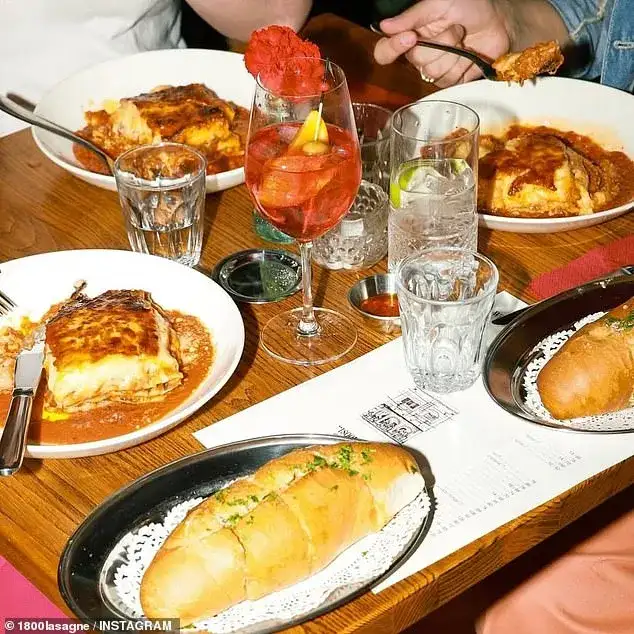
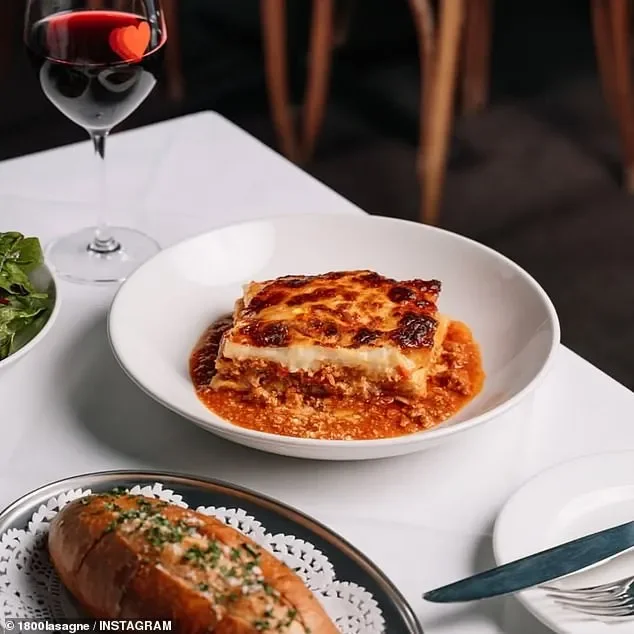
The departures are not isolated incidents. In Canberra, a chef-hatted French bistro, Carlotta, abruptly ceased operations after just 14 months, despite its owner, Chris Lucas, initially expressing intentions for long-term presence. The venue was reportedly sold to an upscale steakhouse chain. Similarly, another popular hatted restaurant, celebrated for its signature lasagnes and even visited by Jamie Oliver, announced its closure. While details remain scant, the message shared via Instagram on August 5th conveyed deep sorrow, with the chef stating, "My heart is broken." The report, however, offers a glimmer of hope, suggesting the establishment might not be closing its doors entirely.

The Illusion of Enduring Success
The recurring theme of restaurants lauded with accolades, such as those highlighted in the '2026 Restaurant Chef Hat Awards' for both Sydney and the broader Australian scene, stands in stark contrast to the realities faced by many operators. These awards, recognizing establishments across various regions like Margaret River, Mclaren Vale, and Sydney, celebrate "Superlative Food & Wine," "Exceptional Quality of Cuisine," and "Food Quite Out of the Ordinary." Yet, beneath this veneer of culinary excellence, chefs are increasingly finding it impossible to reconcile escalating costs with revenue. The industry’s infrastructure, including establishments like the one visited by Jamie Oliver, appears vulnerable.
Read More: Cape Grim air station tracks pollution changes for 50 years in Tasmania

The commentary from Opel Khan directly challenges a simplistic understanding of the economic pressures. His assertion that "Wages are up, interest rates [are up]," and that "Food costs have gone up 40 per cent," paints a picture of systemic financial strain. He also indicated that new operators were found for his closed venues, suggesting a transfer of assets rather than a complete collapse of the physical spaces. The trend suggests that while specific restaurant ventures may falter, the physical locations and their inherent value in a desirable hospitality market might be repurposed.
The career of chefs like Malcolm Hanslow, who transitioned from a student to a hatted restaurant owner, speaks to the dedication and skill required in this field. His emphasis on continuous learning underscores the dynamic and demanding nature of the industry. However, even seasoned individuals and those who have built their careers from the ground up may find the current economic climate unforgiving. The industry's capacity to support these individuals and their ambitious projects appears to be under immense strain, prompting a fundamental reassessment of what constitutes sustainable success in Australian dining.
Read More: AGPU Changes Name and Focus to Enterprise AI Infrastructure