Recent internet outages and stricter digital controls in Russia have sparked protests and fears of a "digital concentration camp," with some citizens expressing dissent through online manifestos and street demonstrations. The clampdown, which has seen popular apps like Telegram throttled and mobile internet services disrupted, is creating widespread unease and has prompted comparisons to more sophisticated, yet blunt, methods of suppression seen elsewhere.
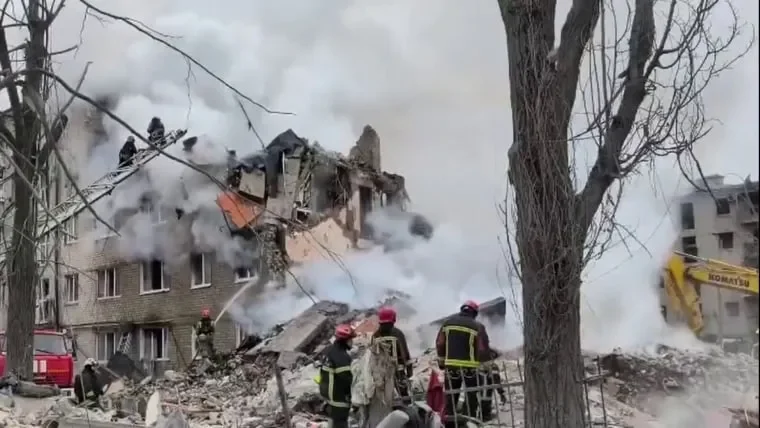
The recent surge in internet and mobile service disruptions across Russia, particularly in Moscow, has led to a significant backlash. Citizens have reported prolonged outages, turning smartphones into unusable devices and hindering daily tasks like checking public transport schedules. This move towards a more controlled digital environment is fueling anxieties about state overreach and a loss of personal freedom.

Reports indicate that the Russian government is considering imposing fees and fines for the use of VPN services, tools commonly used to bypass state-mandated blockages. These discussions reportedly include measures that would block access to major domestic platforms for users attempting to access them with VPNs enabled. Furthermore, mobile providers are reportedly being asked to charge users for international traffic exceeding 15 GB per month. These actions are seen by some as a direct response to a significant increase in Russian interest in censorship-circumvention tools.
Read More: Chrome mimeHandler API lets extensions handle file types
Protests and Dissent Emerge
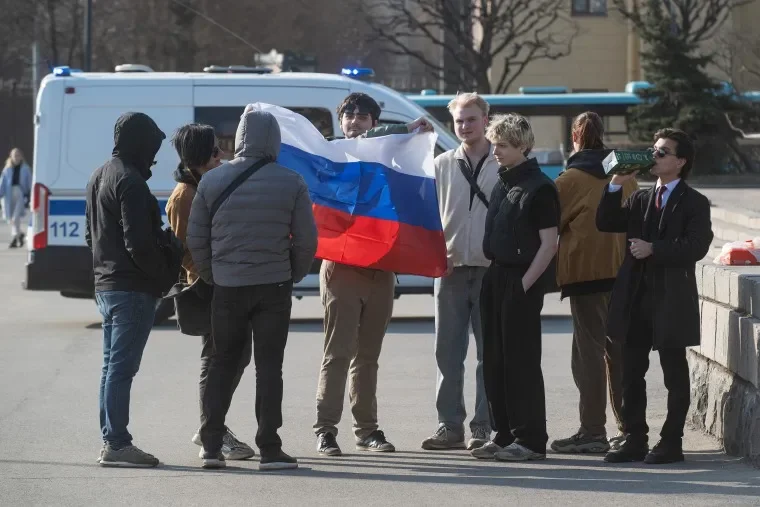
In response to the digital restrictions, some Russians have taken to the streets to voice their opposition. Reports mention detentions of individuals protesting these digital restrictions. Beyond physical protests, a notable instance of online dissent comes from Ilya Remeslo, a 42-year-old lawyer who published a manifesto on Telegram detailing his reasons for ceasing to support Vladimir Putin. Remeslo, who previously worked as an informant against the Kremlin, cited the ongoing war in Ukraine, economic damage, and the suppression of domestic opposition as key factors in his change of stance. His commentary, reaching over 90,000 followers, was met with a dismissive response from state media hosts who characterized him as having "lost his mind."
Widening Scope of Control
The current wave of internet disruptions appears to be building on existing digital censorship efforts in Russia. While social media platforms like Facebook and Instagram have already been banned, the recent shutdowns represent an unprecedented level of interference for the capital. Some regions have experienced mobile internet issues since last summer, but the outages in Moscow since early March have reached a new severity. The government has cited security concerns, including fears of a "coup plot," as the reason for these disruptions, with some reports linking the extended blocking of mobile internet in Moscow to concerns about the compromise of state surveillance apparatus.
Read More: Putin Promises Stronger Air Defense After St. Petersburg Drone Attacks
Economic and Social Impact
The consequences of these internet shutdowns extend beyond mere inconvenience. The frequent outages have reportedly crippled local infrastructure, making everyday life more challenging. The idea of authorities wanting to prevent ordinary citizens from maintaining connections and mutual support networks has been voiced by some residents.
Background to the Digital Grip
Russia has long implemented digital restrictions, with laws dictating that SIM cards can only be purchased using national identification and granting security services access to telecom infrastructure. Punishments for transgressing these restrictions can include fines for "deliberately searching" for extremist materials online and bans on advertising on websites linked to "extremist" organizations. The cost associated with these deliberate internet disruptions has been substantial, with reports indicating significant expenditure on these measures. Experts observe parallels between Russia's actions and those in other countries, though they differentiate Russia's approach as a more "slow-burn digital censorship" compared to more blunt instruments used elsewhere.
Read More: BEREC Asks for Mobile Network API Ideas from Developers