


RETAILERS UNVEIL MOCK PRODUCTS AMIDST SKEPTICISM
April 1, 2026 – Corporate entities across the globe have once again leveraged April Fools' Day not merely for lighthearted amusement, but as a fertile ground for the bizarre and the potentially lucrative. From culinary concoctions that challenge the palate to technological accouterments that border on the fantastical, the annual tradition saw brands push the boundaries of consumer credulity, with several fabricating products that blurred the lines between jest and a genuine market offering.

This year’s crop of “pranks” heavily featured artificially intelligent enhancements and unexpected food fusions.

A FEAST OF THE ABSURD
This year's iterations presented a parade of culinary oddities. Baskin-Robbins introduced "ice cream soup," a concept that invites a certain chill, while the pairing of Premier Protein and Claussen yielded a "pickle protein shake," a blend sure to raise eyebrows, if not appetites. Elsewhere, McAlister's Deli offered a dish that was "part entrée, part dessert," and Schlotzsky’s unveiled "Sourdough Ale," an April Fools' special. These creations, while presented as temporary novelties, highlight a recurring corporate strategy: using the guise of a joke to test the public's reception to unconventional product concepts.
Read More: FIFA World Cup 2026 Revenue Reaches $15 Billion With New Ticket Prices

TECHNOLOGICAL DECEPTIONS AND DIGITAL DOMINION
The tech sector was not to be outdone, presenting a spectrum of imagined innovations. Traeger, a grilling company, proposed "AI-powered grilling glasses," an idea that struck some as remarkably plausible, given the increasing integration of AI into everyday gadgets. Similarly, Dyson hinted at a "beauty pet range," suggesting advanced hair care for animals, and MSI developed a solution for feline keyboard interference with a device ostensibly for cats. Perhaps most notable was PlayStation's Project Playmo, an AI-enhanced controller promising gaming assistance, task automation, and even dubious data leaks, a commentary on the escalating capabilities and perceived invasiveness of artificial intelligence. The inclusion of an "AI-powered controller for The Witcher 3" and the Yahoo Scrōll Stoppr, a supposed tool to combat doomscrolling, further underscore the pervasive discourse surrounding AI and digital habits.
Read More: What does 'Pro' mean on products and services today?
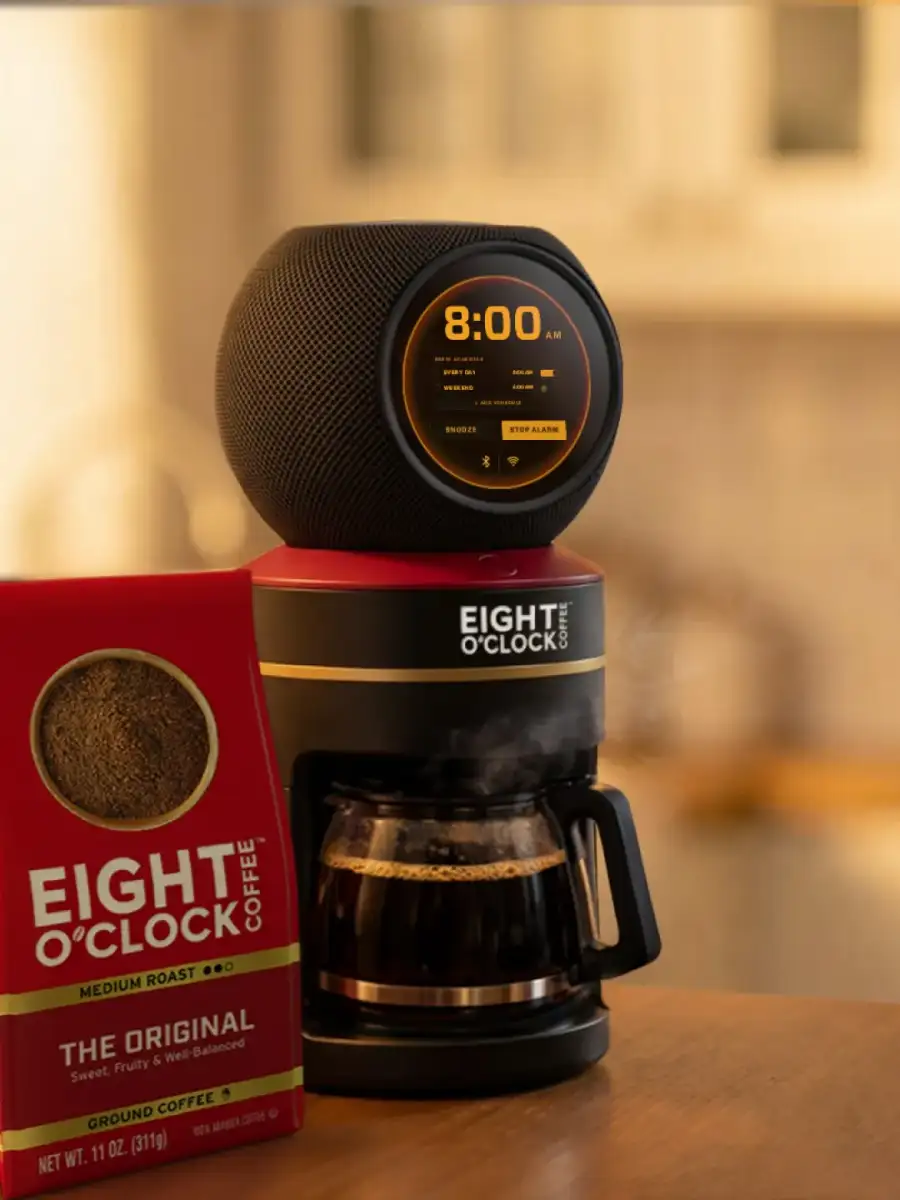
THE SUBTLE ART OF CONSUMER MANIPULATION
Beyond specific product announcements, the day served as a testing ground for brand narratives and consumer engagement. Remarks such as "Would you buy a pair if they actually existed?" or "Would you try this?" embedded within the promotional materials, actively solicited consumer validation for concepts that were, ostensibly, fictional. This tactic suggests a strategic intention to gauge market interest and potential product viability under the protective cloak of April Fools' Day. The proliferation of phrases like "high-key, this is not real" or the imperative to "wipe it from your memory — it’s not real" serves as a meta-commentary on the audience's inherent skepticism and the companies' awareness of it.
BACKGROUND
April Fools' Day, observed annually on April 1st, is a tradition characterized by widespread pranks and hoaxes perpetrated by individuals, media, and companies. While historically rooted in playful deception, its commercialization has transformed it into a significant marketing event, particularly for brands seeking to generate buzz and media attention through inventive, often absurd, announcements. The trend has evolved from simple jokes to elaborate campaigns that frequently involve mock product launches, leveraging public anticipation and social media virality.
Read More: Hunter Region Gets $12 Billion Train Factory


