Financial markets have reacted with pronounced unease to the possibility of Andy Burnham potentially replacing Keir Starmer as leader of the Labour Party. Sterling has seen a notable dip, and the cost of government debt, known as gilts, has ascended. Economists and market strategists suggest this trepidation stems from concerns over potential shifts in fiscal policy under a Burnham premiership, which they posit could lead to increased public spending and borrowing.

The immediate aftermath of recent local election results, perceived as a poor showing for Labour, has intensified speculation about Starmer's leadership and the viability of a challenge from figures like Burnham. This situation has, in turn, fueled anxiety among investors regarding the United Kingdom's fiscal discipline.

Spending Plans Spark Fear
Critics, including Robert Jenrick of Reform, have voiced alarm over Burnham's past proposals. These include the renationalisation of utilities, a substantial council housebuilding initiative, and increased public transport subsidies. Such policies, coupled with statements suggesting a less deferential approach to bond markets, have led to warnings of spiralling costs and a potential exacerbation of pressure on government finances.
Read More: Taiwan Holds Nantou County Drills to Prepare for State Collapse
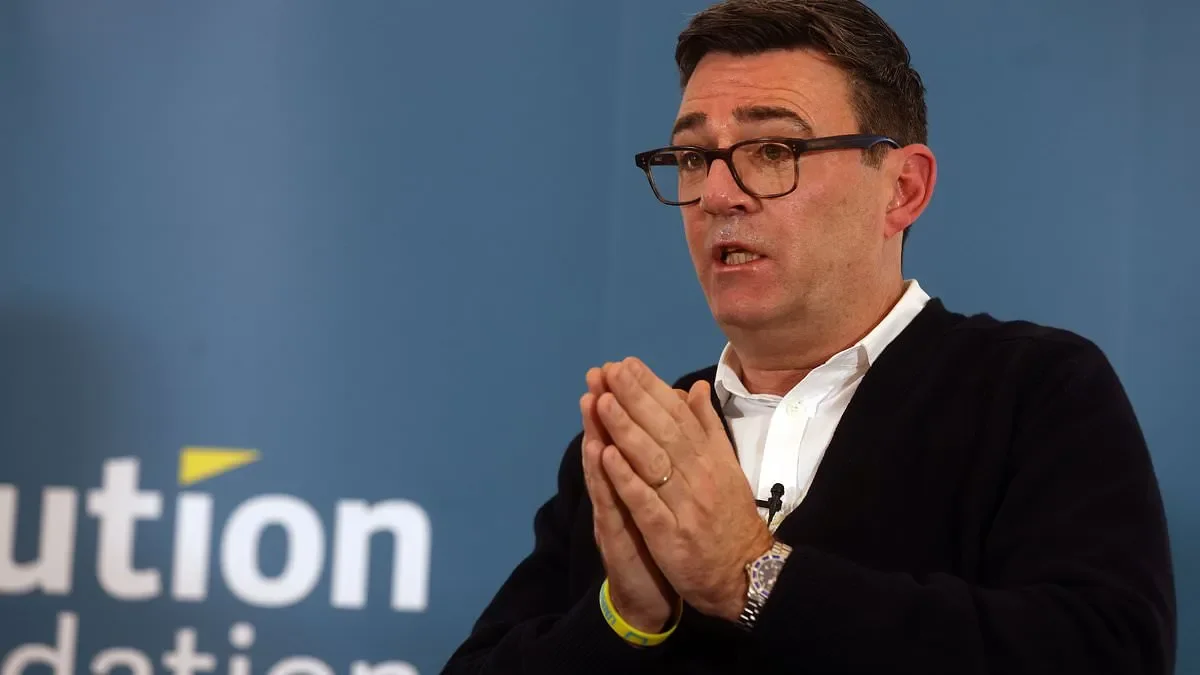
Deutsche Bank analysts observed that while Burnham has partially tempered some of his earlier rhetoric regarding bond markets, the underlying perception of a potential shift towards more expansive fiscal policies persists. This has led to a selling pressure on U.K. gilts and sterling, as investors grapple with the prospect of a Labour government less aligned with prevailing fiscal orthodoxy.
Starmer's Position and Market Scrutiny
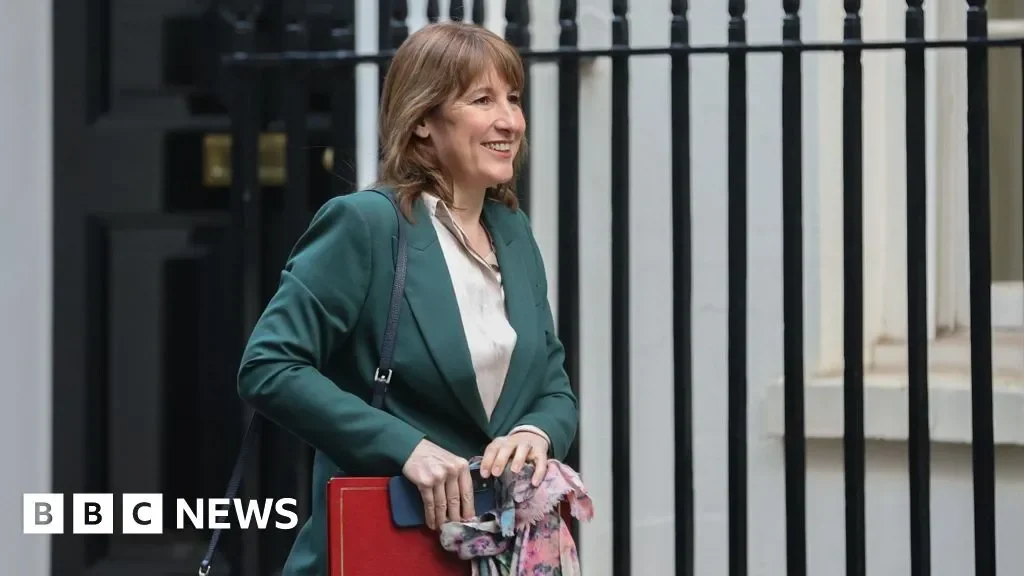
The intense scrutiny on the Labour Party follows a disappointing performance in recent local council elections, which has placed Keir Starmer under significant pressure. Some analyses suggest that any contender for leadership, including Burnham, would face immediate questions regarding their commitment to maintaining current fiscal management, particularly the role of Rachel Reeves as Chancellor. Her perceived adherence to fiscal rules has been viewed by some in the City as a stabilising factor.
Read More: Labour Now Says Brexit Hurts UK Economy
Conversely, elements within the Labour Party, such as the Tribune group, have recently advocated for a less 'cautious' fiscal approach. This internal divergence adds another layer of complexity to the market's assessment of Labour's future direction.
Historical Parallels and Economic Forecasts
Concerns have been amplified by comparisons to past economic turbulence, with one opinion piece drawing a parallel between Burnham's potential economic policies and the financial instability experienced during the Liz Truss premiership. Economists warn that sustained upward pressure on gilt yields could translate into higher mortgage costs for a significant portion of the population.
While some City analysts have speculated that a leadership contender might retain Rachel Reeves to assuage market worries, there remains a pervasive sense of uncertainty regarding the degree to which current market concerns are already 'baked in'.
Background and Political Dynamics
The political landscape within the Labour Party is marked by factional wrestling over the timing of any potential leadership contest. The timing is crucial for various potential successors, with different camps advocating for swift or delayed challenges based on perceived strategic advantages. Reports indicate that the Labour Left aims to retain Keir Starmer in his post until at least September, providing an opening for Andy Burnham to potentially secure a parliamentary seat. This intricate political maneuvering occurs against a backdrop of broader market volatility, which has also seen broader stock market indices drop.
Read More: FBI Analysts Review Georgia 2020 Election Data in Fulton County