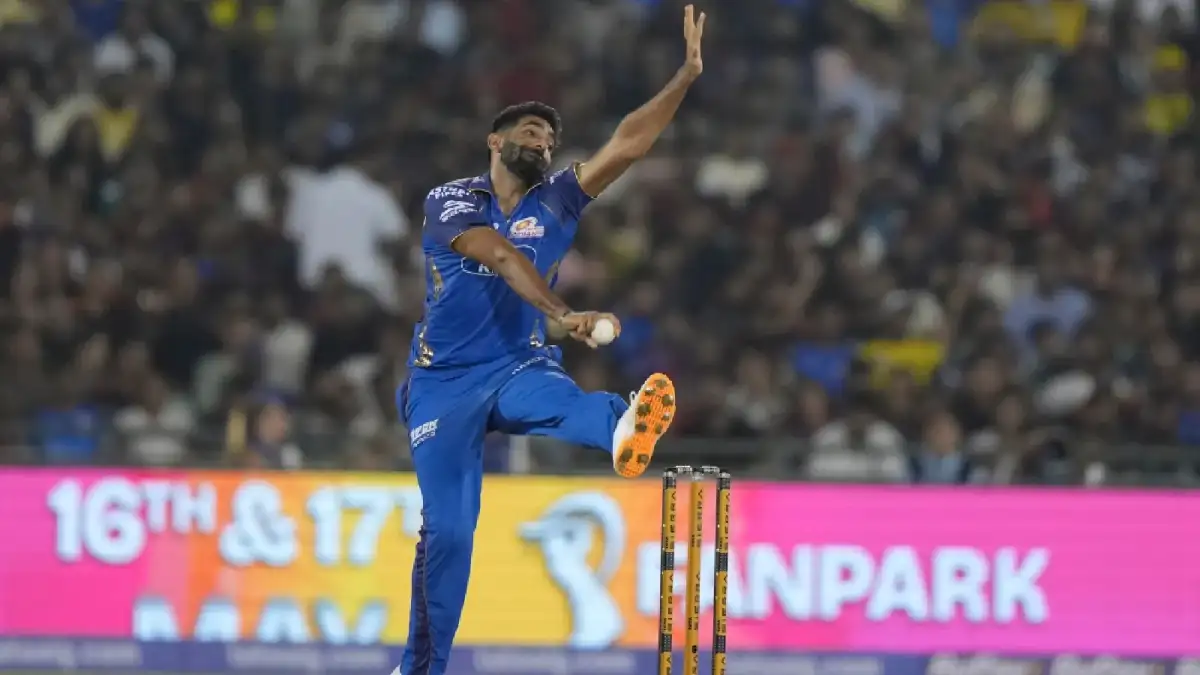
Jasprit Bumrah made his inaugural appearance as Mumbai Indians (MI) captain on May 14, 2026, against Punjab Kings in Dharamsala, filling a void left by the unavailability of Hardik Pandya and Suryakumar Yadav. His entry into the role is defined by a striking irony: despite having previously led the Indian national Test side, this match marked his first time helming an Indian Premier League franchise.

| Milestone | Status |
|---|---|
| IPL Captaincy Debut | May 14, 2026 |
| Opponent | Punjab Kings |
| Result | MI victory (chased 201) |
| MI Captain Sequence | 10th leader in franchise history |
A Departure from the Routine
The transition for Bumrah appeared grounded rather than ceremonial. Observers noted that his leadership style during the fixture felt pragmatic—focused on the immediate technical demands of bowling rather than distant strategic oversight. His commentary surrounding the appointment revealed a wry awareness of his career path:

"I didn't think that I will be a Test captain before becoming MI captain."
This statement highlights the asymmetrical nature of modern cricket hierarchies, where international duties—often considered the pinnacle of the sport—frequently arrive before local franchise leadership.
Read More: Praggnanandhaa wins Super Chess Classic 2026 match in Bucharest

The Context of Absence
The appointment was forced by personnel gaps within the Mumbai roster. With Hardik Pandya recovering from back spasms and Suryakumar Yadav absent for personal reasons, the franchise reached for their most experienced asset.

Tactical Choice: Upon winning the toss, Bumrah elected to bowl first, signaling a reliance on his own specialized field—the control and containment of scoring.
Match Outcome: While Tilak Varma provided the necessary offensive output—an unbeaten 75 off 33 balls—to secure the chase, the broader narrative remains fixed on Bumrah’s ability to bridge the gap between being a premier strike bowler and a tactical administrator.
Investigative Note
The fixation on his "ek din ka mukhya mantri" (Chief Minister for a day) remark reflects a common sports media trope: the attempt to humanize elite athletes through their own perceived career incongruities. However, the substance of the shift lies in the franchise's reliance on a singular talent to stabilize a season otherwise marked by unavailability and being out of contention for the playoffs. This is less about a change in team culture and more about the logistical necessity of fielding a competitive side when established leadership structures collapse.