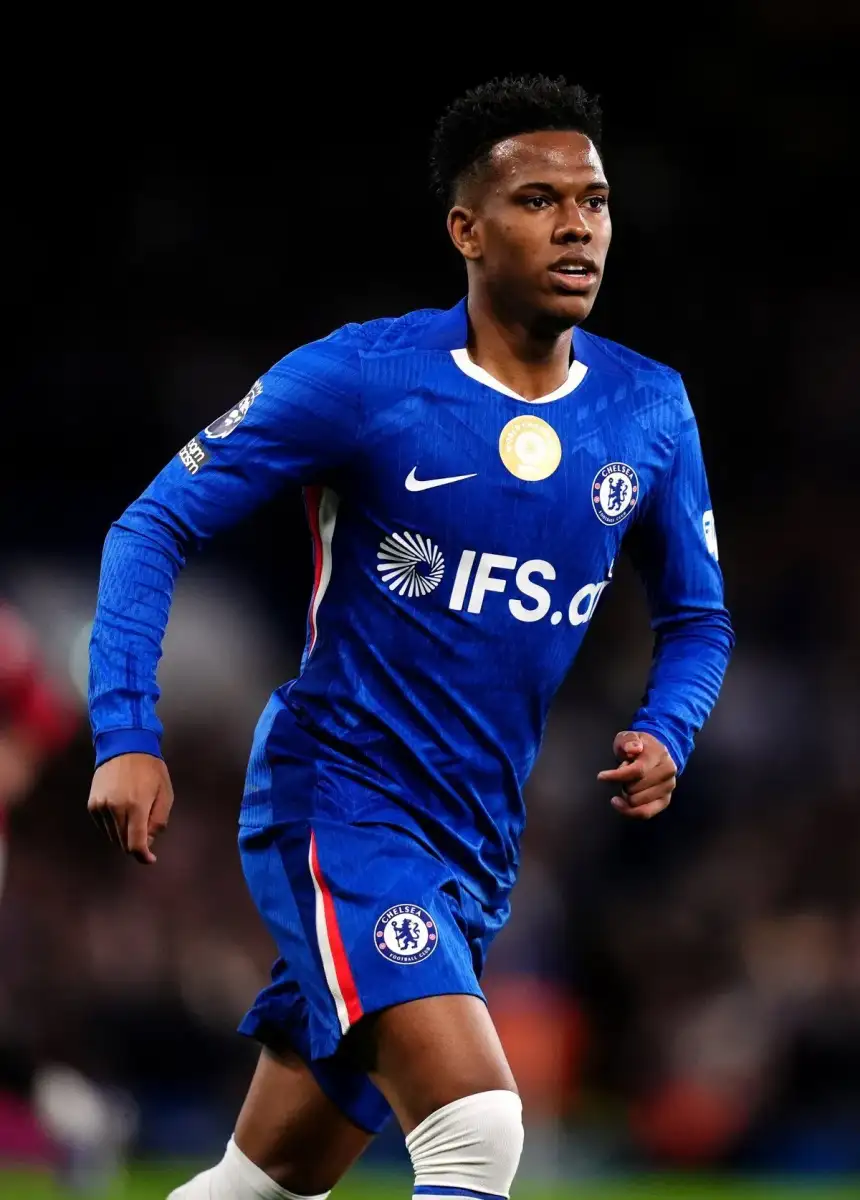
Chelsea forward Estevao Willian will not undergo surgery for his Grade 4 hamstring injury, confirming his absence for the remainder of the domestic season and casting significant doubt on his participation in the upcoming World Cup. The 19-year-old is currently in Brazil, utilizing the infrastructure at his former club, Palmeiras, to conduct rehabilitation under a joint program agreed upon by his current employers at Stamford Bridge.
| Status Metric | Detail |
|---|---|
| Injury Severity | Grade 4 Hamstring |
| Surgical Plan | Rejected / Not Required |
| Current Location | Brazil (Palmeiras Facilities) |
| Status | Out for Season / World Cup Uncertain |
Recovery Dynamics and Organizational Alignment
The decision to forgo surgical intervention represents a calculated Compromise between the player's personal camp and the Chelsea medical staff. While the club maintains oversight of his recovery timeline, the decision to allow the winger to stay in South America indicates a focus on specialized care outside of London.

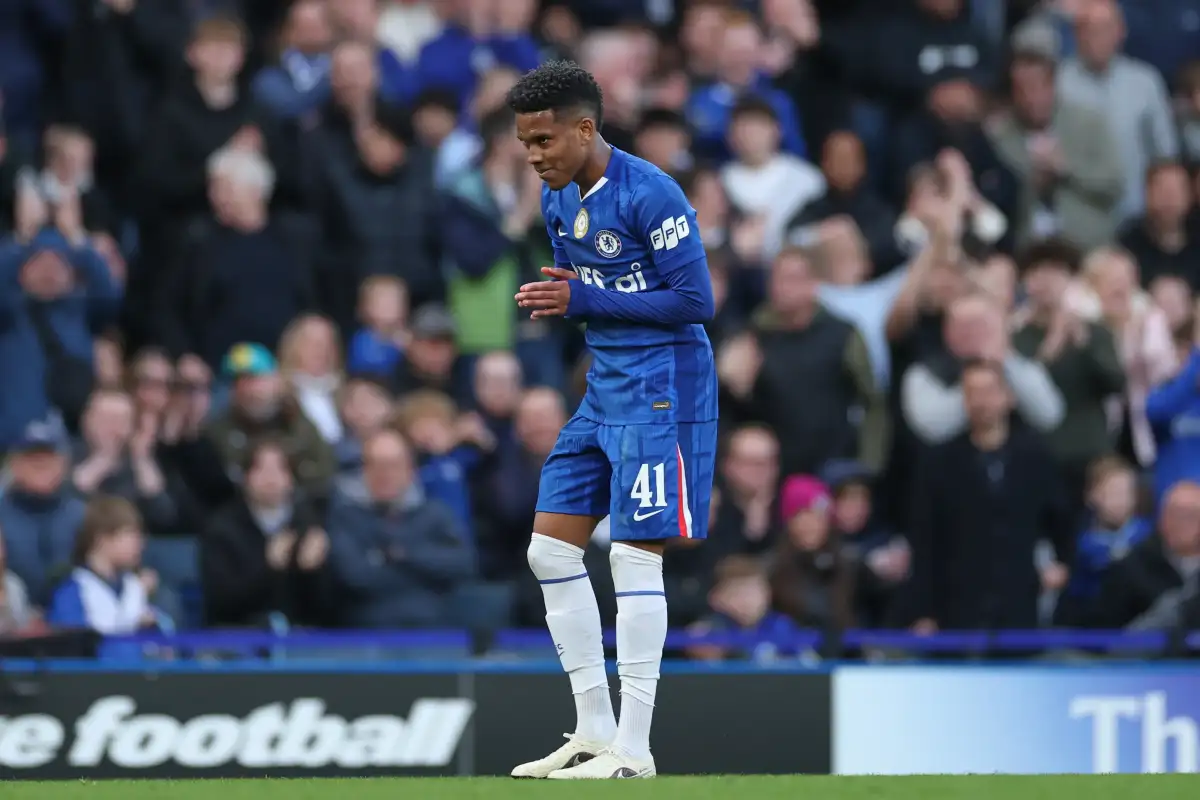
Interim coach Calum McFarlane has remained guarded regarding specific return dates, emphasizing that the primary concern remains the player's long-term Rehabilitation. The winger, who tallied eight goals in 36 appearances during his debut campaign, suffered the physical blow during a contest against Manchester United on April 18.
Read More: Man Utd Stalls Lewis Hall Transfer to Prioritize Midfield Signings

The Broader Context of Athletic Attrition
The severity of the injury—classified as a Grade 4 muscle tear—is the culmination of a physically demanding season. Estevao struggled with multiple Hamstring episodes since the winter, a pattern that limited his total utility before the final collapse of the tissue.
Tournament Impact: The Brazilian national team faces Morocco on June 13 at New York/New Jersey Stadium, a fixture that now appears improbable for the 19-year-old.
Chelsea Operations: The club continues to navigate this absence while managing their immediate fixture list, including critical FA Cup engagements, without one of their primary attacking assets.
This development serves as a recurring reminder of the fragility inherent in the current calendar, where young talents often face compressed development cycles and repetitive muscle trauma. There are no signals suggesting a change in the conservative recovery trajectory chosen by the parties involved.