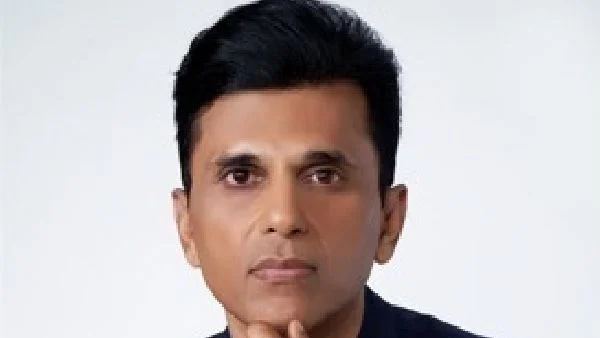
The cinematic landscape is undergoing a palpable shift, with burgeoning technology offering filmmakers expanded palettes. Yet, at its core, the art of cinema continues to be defined by its unwavering reliance on human emotion, a sentiment echoed by producer Anand Pandit. This duality was brought into sharp focus recently with discussions around an AI-modified re-release of the film Raanjhanaa, a move that prompted Pandit to underscore a critical distinction: technology as a tool to enhance, not erase, original artistic intent.
==The fundamental tension lies in how these advancements are wielded. Technology, Pandit argues, possesses the capacity to amplify the visual scope of filmmaking, unlocking novel avenues for storytellers and enabling the creation of grander cinematic worlds, akin to franchises like Baahubali. This is evident in contemporary explorations of futuristic narratives and large-scale franchise filmmaking within India. Simultaneously, films such as Tumbbad serve as counterpoints, demonstrating the power of judicious technological application. Regional cinema, too, is embracing these shifts, with films like Lokah – Chapter One: Chandra from Malayalam cinema exploring superhero themes while retaining a distinctly local emotional resonance. Studios are also actively investigating AI-assisted multilingual dubbing and post-production for pan-Indian releases.
Read More: Chrome mimeHandler API lets extensions handle file types
Pandit's perspective, gleaned from recent pronouncements, is clear: Artificial intelligence and other sophisticated technologies are potent instruments in the filmmaker's arsenal. However, he firmly asserts that their deployment must serve to augment human creativity, not supplant it.
"AI should be used to support human creativity, not tamper with it. Then AI will become an ally, not a threat to storytellers."
This perspective suggests a future where technology expands possibilities, but the soul of a film – its emotional core – remains an exclusively human domain. Machines, he contends, cannot replicate the nuanced feelings that form the bedrock of cinematic connection, particularly within the context of Hindi cinema.
Read More: Danny McBride finishes G.I. Joe script for Paramount by April 2026
Further elaborating on the implications, Pandit points to instances where AI has been employed in filmmaking. The de-aging technology used in Martin Scorsese’s The Irishman and the deepfake application for a young Luke Skywalker in The Mandalorian are cited as examples of technology augmenting storytelling. AI is also proving useful in generating data-driven audience insights, a valuable resource for filmmakers.
"It cannot dictate the emotional core of a film or determine how a story should unfold because machines lack emotions which are at the core of Hindi cinema."
Pandit cautions against an over-reliance on AI, warning that it could lead to a cycle of derivative content. He posits that true inspiration stems from lived experiences, something AI can only emulate, not originate.
The producer’s statements, appearing across various platforms in recent weeks, underscore a prevailing sentiment within the industry: a careful navigation between embracing technological innovation and preserving the intrinsic human element that has always defined cinema. The re-release of Raanjhanaa, with its AI-enhanced aspects, has served as a significant touchstone in this ongoing discourse.
Read More: BEREC Asks for Mobile Network API Ideas from Developers