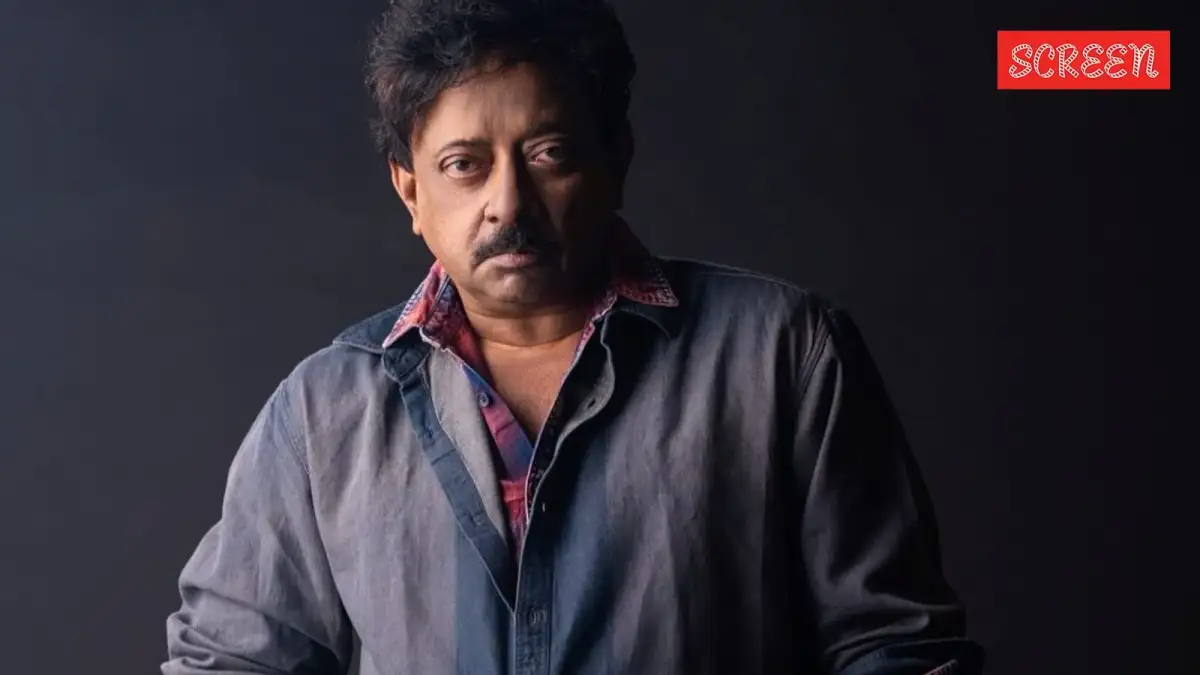
The Hindi film industry's entanglement with organized crime, particularly in the 1990s, has resurfaced with director Ram Gopal Varma shedding light on the alleged underworld financing of the 2001 movie 'Chori Chori Chupke Chupke'. This revelation comes as the film, known for its early depiction of surrogacy, is now remembered for its deeper, darker connections. Varma's recent statements, made in conversation with crime writer Hussain Zaidi, detail how financier Bharat Shah became involved, apparently unaware of the project's illicit funding sources tied to Karachi-based gangster Chhota Shakeel.
Underworld's Financial Infiltration
Varma's account suggests that the producer of 'Chori Chori Chupke Chupke', Nazim Hassan Rizvi, had direct links to Chhota Shakeel. Police actions in December 2000 saw Rizvi's arrest under the Maharashtra Control of Organised Crime Act (MCOCA), following the interception of taped phone conversations between him and the gangster. At the time, the police stated they aimed to "break the nexus between the film industry and the underworld." Shah, reportedly approached by an individual who claimed to have secured Salman Khan's dates, purportedly distanced himself, stating, "Why would he act for me? He did only legal business." The film's alleged underworld connection, discovered by law enforcement, cast a long shadow over its production and release.
Read More: Danny McBride finishes G.I. Joe script for Paramount by April 2026
Fear, Intimidation, and Casting Shuffles
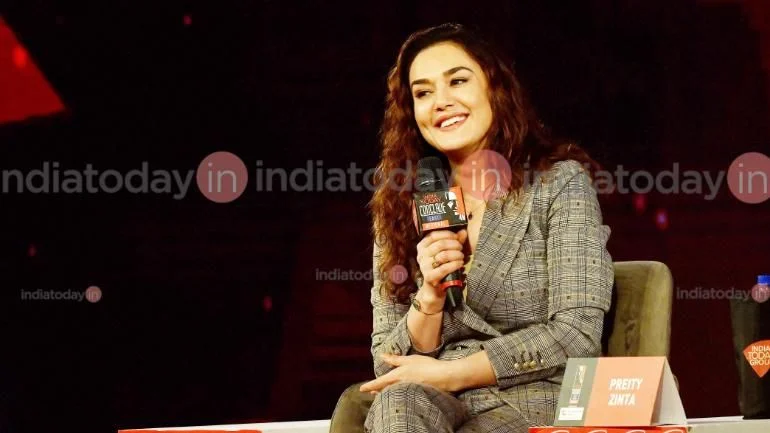
The period of the 1990s, as recalled by Varma, was marked by the underworld's significant influence over Bollywood. Their strategy, he explained, involved calculated intimidation rather than random violence, citing examples such as the targeting of Rakesh Roshan and the murder of Gulshan Kumar. Fear was palpable, with actresses like Preity Zinta later recounting instances of intimidation and having to testify against underworld figures like Bharat Shah. Zinta notably stood by her statement, even as other industry figures, including Salman Khan and Rakesh Roshan himself, reportedly retracted theirs after facing threats.
The casting for 'Chori Chori Chupke Chupke' itself was not without its drama. Before Preity Zinta took on the role, numerous actresses were reportedly approached and refused, including Kareena Kapoor Khan, who walked out after shooting for 24 days, and others such as Amisha Patel, Sushmita Sen, Tabu, Aishwarya Rai, and Bipasha Basu. Zinta's eventual performance earned her a Filmfare nomination for Best Actress in a Supporting Role.
Read More: Third Teen Charged in Fatal Stabbing Near Melbourne Hospital on Wednesday
Broader Industry Impact
Varma's revelations extend beyond a single film, painting a picture of an era where the Mumbai underworld wielded considerable power. He mentioned instances where gangsters allegedly sought to control film dates of prominent actors like Hrithik Roshan and asserted that such actions were often to "show their power." This influence extended to attempts on the lives of industry figures, a fact Varma brought up in relation to incidents involving Rakesh Roshan and, in a separate context, producer Manmohan Shetty. The lingering presence of underworld figures, like Dawood Ibrahim, continues to be a narrative staple in Bollywood, shaping crime dramas and perpetuating their notoriety in cinematic portrayals.
Read More: Producer TP Aggarwal Says 'Gundagardi Won't Fly' to Film Guild

/cloudfront-ap-southeast-2.images.arcpublishing.com/nzme/RVI7RFHOI34HTKKRUG3LS6DNVY.jpg)