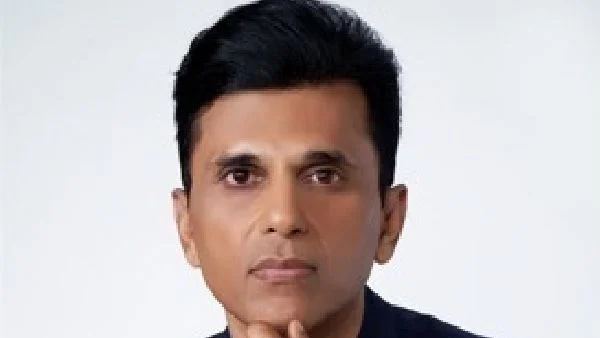
Producer Anand Pandit asserts that while advancements like artificial intelligence reshape filmmaking, the essential human element of emotion remains paramount.
Technology, including AI, should serve as a tool to amplify human creativity in cinema, not to undermine or alter the fundamental narrative and emotional core of a film. Pandit’s stance, emerging amidst discussions surrounding AI’s evolving role, emphasizes a delicate equilibrium between technological innovation and the intrinsic storytelling that defines the cinematic experience.
Pandit, a seasoned figure in the industry, articulated his perspective on how emerging technologies are influencing the film landscape. He posits that AI and similar tools offer significant potential to broaden the visual scope of films and unlock novel avenues for creators. However, he cautioned against viewing these technologies as replacements for human artistic input.
"AI should be used to support human creativity, not tamper with it. Then AI will become an ally, not a threat to storytellers," Pandit stated.
He further elaborated that while technology can enhance the visual spectacle and open new possibilities, it fundamentally cannot replicate or dictate the emotional depth crucial to storytelling. Machines, by their nature, lack the capacity for emotions, which are the very bedrock of narratives, particularly in the context of cinema that resonates with audiences. The future, according to Pandit, hinges on a thoughtful integration of technology that respects and bolsters the originality of content.
Read More: Chrome mimeHandler API lets extensions handle file types
The producer cited the recent re-release of "Raanjhanaa", which reportedly saw modifications influenced by AI, as a point of reference for this ongoing debate. This instance underscores the critical need for careful consideration when deploying advanced tools in creative processes.
The overarching sentiment from Pandit is that technology should remain a subservient instrument, enhancing the filmmaker's vision without dictating the soul of the work. The aim is to use AI and other tools wisely, ensuring they bolster storytelling rather than fundamentally altering the intrinsic message or emotional resonance of a film.