The Ghost in the Machine: AI's New Footprint on Film
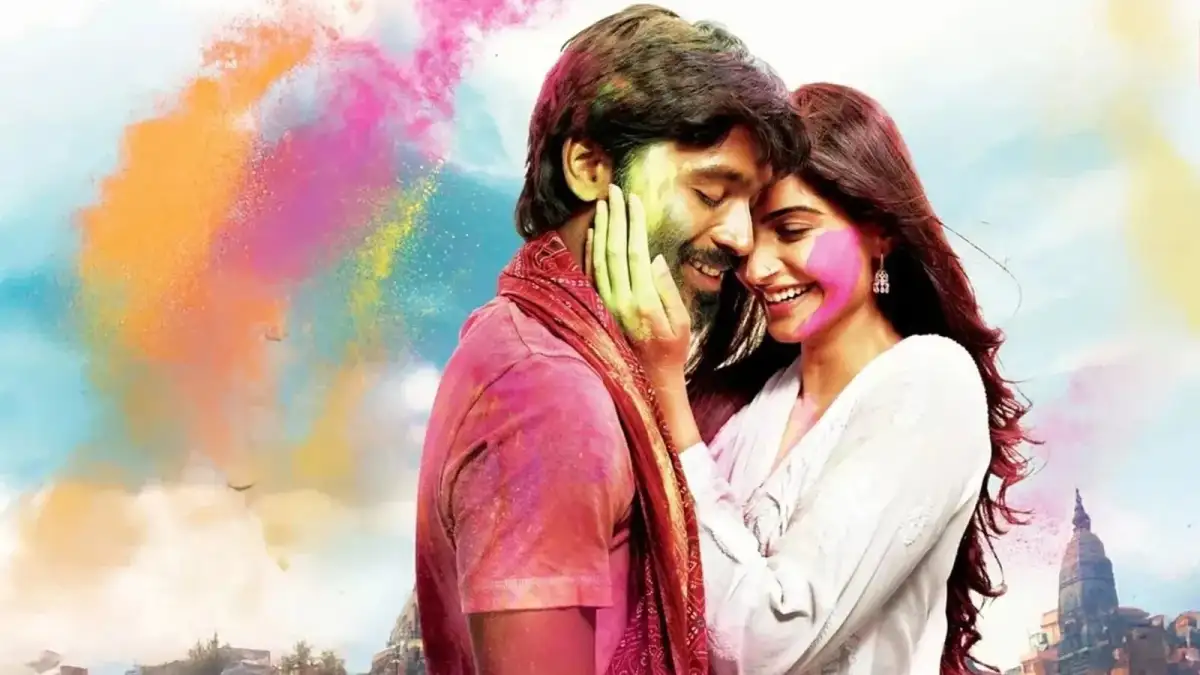
The recent re-release of the film Raanjhanaa, featuring edits made with artificial intelligence, has ignited a fierce debate within the Indian film industry about the intersection of advanced technology and artistic integrity. Producer Anand Pandit has articulated a nuanced perspective, suggesting that while AI offers potent new tools for expanding cinematic possibilities, it must remain subservient to the core emotional narrative that defines filmmaking. This incident, particularly the reported condemnation from the original director Aanand L. Rai and actor Dhanush, underscores the tension between technological innovation and the preservation of a work's original creative spirit.
Pandit emphasizes that technology's role should be to support human creativity, not to tamper with or replace it. He argues that the capacity for genuine emotion, the very "soul" of a film, remains an exclusively human domain. Machines, he posits, lack the capacity to dictate the emotional core of a story or determine its narrative progression. This viewpoint positions AI as an ally, a tool that can enhance the visual scale and open new avenues for filmmakers, rather than a threat to storytellers themselves.
Read More: Filmmaker Anand Pandit: AI Should Help, Not Replace, Human Emotion

The Expanding Digital Frontier
Indian cinema, long known for its ability to construct elaborate visual worlds through sheer imagination and craftsmanship, is now leveraging digital technologies to achieve grander scales. This is evident in the ambitious franchise filmmaking seen in productions like the Baahubali series, which demonstrated a capacity for world-building comparable to international standards. Filmmakers are now exploring futuristic narratives and large-scale franchise projects, integrating advanced techniques while striving to maintain stories that resonate emotionally with audiences.

Regional film industries are also charting new territory. Malayalam cinema's Lokah – Chapter One: Chandra, for instance, showcases the exploration of superhero narratives within a distinct regional emotional context. Furthermore, Indian studios are actively investigating AI-assisted methods for multilingual dubbing and post-production, aiming for wider Pan-Indian releases across diverse linguistic markets.
Read More: Delhi Premiere of 'Aakhri Sawal' Film May 13, Expect Political Guests
A Delicate Balance: Enhancing, Not Erasing
The Raanjhanaa controversy, where an AI-altered ending was introduced, serves as a stark reminder of the ethical and creative quandaries presented by these new technologies. Critics have pointed out the inherent risk of losing the human touch and artistic integrity when machines take on narrative alterations. Legal experts have noted that such practices, while potentially growing more common as AI becomes more accessible, raise serious questions about creative integrity, legal rights, and the necessity of consent.
This situation has also spurred discussions around the overhaul of copyright laws in India, with calls for personality rights and clarity on authorship, as directors and actors may not always be classified as authors in existing legal frameworks. The debate ultimately circles back to the fundamental question: can a machine truly rewrite the soul of a story without fundamentally altering its essence? The industry's path forward, according to Pandit, lies in a wise and balanced application of technology, ensuring it serves to enhance artistic vision rather than undermine originality.
Read More: LEGO Batman Legacy of the Dark Knight Xbox Early Access Leak May 2026