

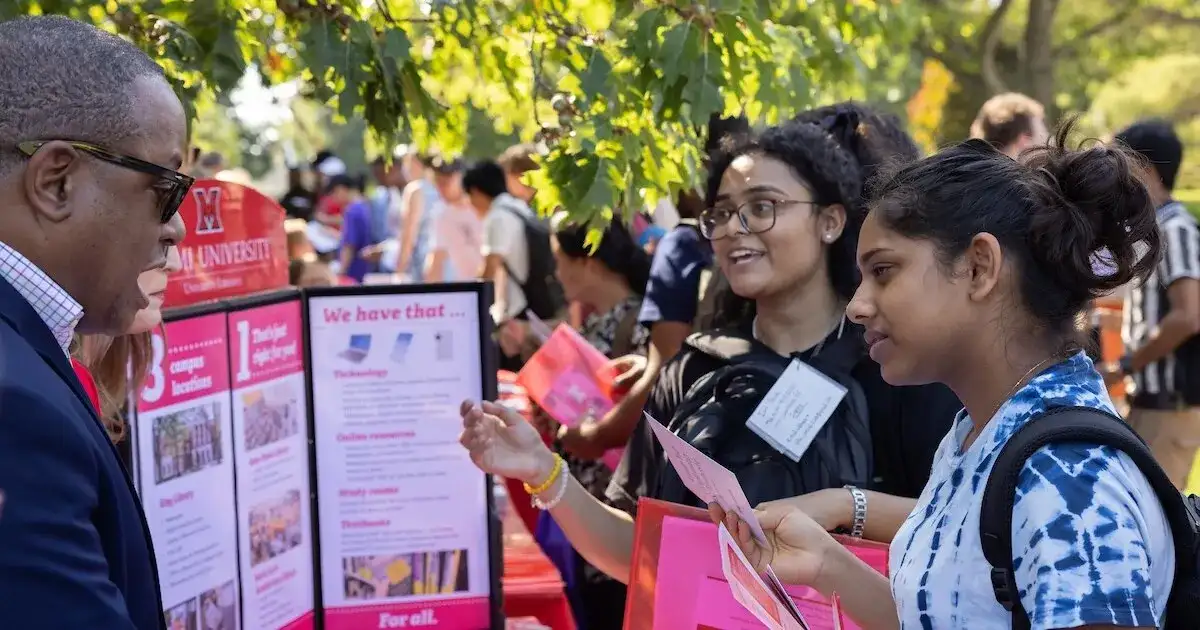
International students in the United States face significant hurdles in securing employment post-graduation, with citizenship status and visa sponsorship posing formidable barriers. Many find their applications dwindled to a fraction when filtering for employers willing to sponsor visas, a process that often involves legal and financial burdens for companies. This effectively shrinks the available job pool, forcing students into a narrower career path and creating a sense of urgency as their authorized work periods, such as Optional Practical Training (OPT), carry strict unemployment day limits.
Graduates, particularly those in non-STEM fields, find themselves racing against time to secure jobs that offer visa sponsorship within limited post-completion periods. For instance, students like Sai Kallur at the University of St. Thomas have a single year to find an employer willing to sponsor their work visa, a stark contrast to the longer durations often available to STEM graduates. The preference for domestic candidates by employers, who might see international students as more complex hires, adds another layer of difficulty. This situation is amplified by broader economic trends, such as recent layoffs in the tech sector, which can further tighten the job market for all graduates, but especially those with sponsorship requirements.
Read More: Google Learn About AI Tool Released April 2026 For Simple Learning

The challenge is not merely logistical; it's existential for many. =="I feel like my education and my experience is not the barrier in employment, rather, it is my citizenship that creates a weakness to my profile,"** explains one international student, highlighting how their background, rather than their qualifications, becomes the primary obstacle. This sentiment is echoed across campuses, where thousands of qualified international students encounter a stark reality: their nationality can disqualify them from opportunities even after securing interviews. The specter of needing to return to their home countries looms large if a sponsoring employer cannot be found.
Beyond visa sponsorship, international students contend with other obstacles. Limited career options are a frequent complaint, with certain sectors, like government jobs handling confidential information, often being inaccessible due to security regulations. While career centers and international student advisors offer guidance, the fundamental constraints imposed by immigration policies and employer reluctance remain significant. Cultural differences and language barriers can also present challenges, although these are often viewed as secondary to the more systemic issues of visa sponsorship and citizenship status.
Read More: Uber H-1B Salary Data for April 2026 Shows Pay Up to $410,000

The pursuit of employment in the US often begins with identifying companies known to sponsor visas, primarily in fields like technology and consulting. However, this approach also leads to an exclusionary effect for students outside these domains. The limited timeframe on work authorizations like OPT, which allows 90 days of unemployment for standard OPT and 150 days for STEM OPT, adds immense pressure. Even securing an internship under OPT does not guarantee a full-time position, as the need for continued visa sponsorship remains a constant.
For many, the decision to pursue education in the United States is driven by aspirations for work experience and economic opportunities. While many initially plan to return home, the prospect of a more promising career in the US often leads them to seek longer-term employment and residency. However, the intricate web of regulations and employer hesitations complicates this transition, turning a potentially rewarding academic experience into a high-stakes job search.
Read More: OCDSB approves $3.5M budget deficit on April 7 2026 under oversight


