The ongoing development of the Electron-Ion Collider (EIC) is increasingly entwined with artificial intelligence (AI) and machine learning (ML) techniques, profoundly influencing the design and operational planning of its intricate detector systems. These computational tools are not merely ancillary; they are becoming integral to optimizing performance, streamlining calibration processes, and potentially reducing the significant demands on computing resources.
The AI Resource Hub, a focal point for integrating these advanced methods, offers tutorials and software, aiming to bolster AI adoption across the EIC community. This initiative is part of a broader effort to connect the EIC's scientific objectives with the rapidly evolving landscape of data science and its potent AI/ML toolset.
Refining Detector Design and Calibration
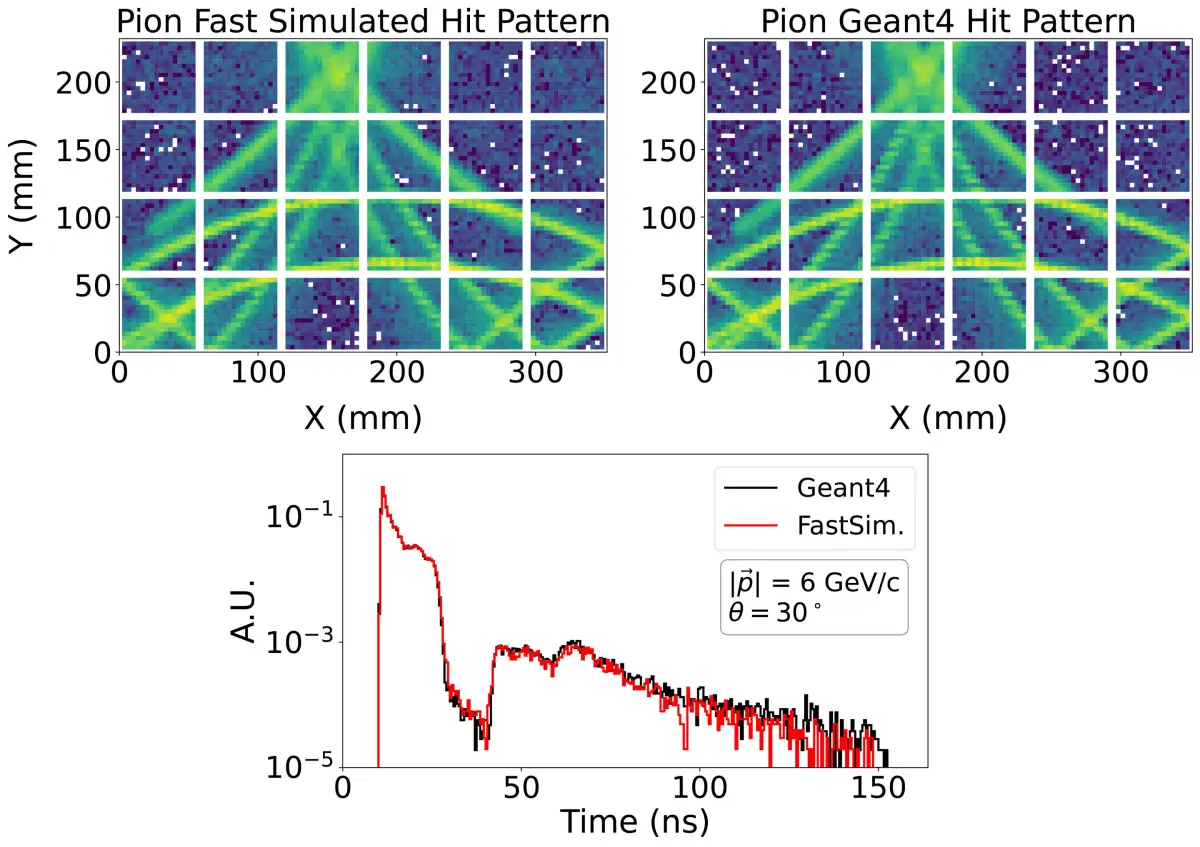
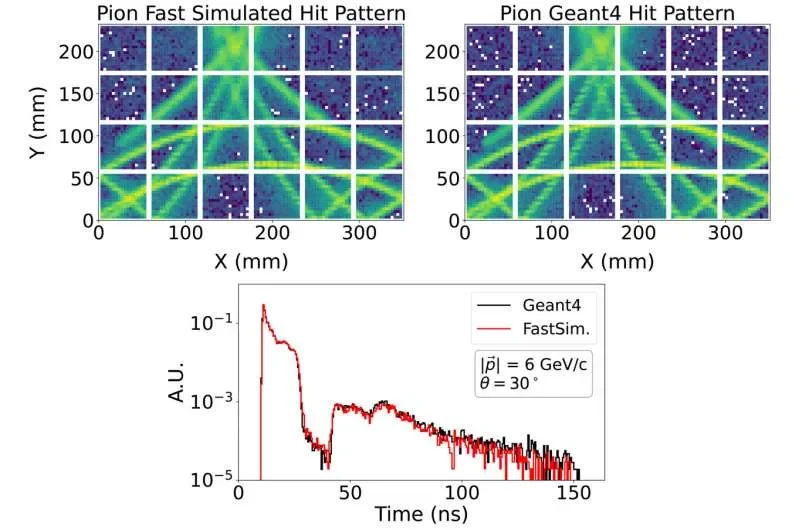
High-performance particle detectors are essential for the EIC's ambitious scientific program. Recent advancements, particularly those leveraging machine learning, demonstrate a capacity to significantly enhance detector performance. Specifically, ML methods are shown to substantially reduce the time detector experts spend on offline data calibration.
Read More: New Black Hole Theory Explains Bright Blue Space Flashes
This optimization not only frees up expert human capital but also leads to a marked decrease in computing resource usage without compromising the precision and effectiveness of the detectors. Procedures informed by machine-assisted techniques are experiencing a surge in popularity among those engaged in designing EIC detectors.
Bridging Data Science and Scientific Goals
The Artificial Intelligence (AI) Working Group at the EIC plays a crucial role in fostering connections with the broader data science community. Its mission centers on engaging with the latest AI/ML developments to ensure they actively contribute to realizing the EIC's scientific mission. This proactive approach suggests a deep-seated understanding within the project that cutting-edge computational methods are key to overcoming complex design challenges.
This trend towards AI integration, detailed in publications such as those found on IOPscience and within the EPJ Research Infrastructures journal, highlights a deliberate effort to harness AI's capabilities for the EIC's future. The implications extend to how experimental data will be processed and understood, underscoring AI's transformative potential in fundamental physics research.
Read More: New AI Jobs Emerge in UK as Companies Hire AI Specialists