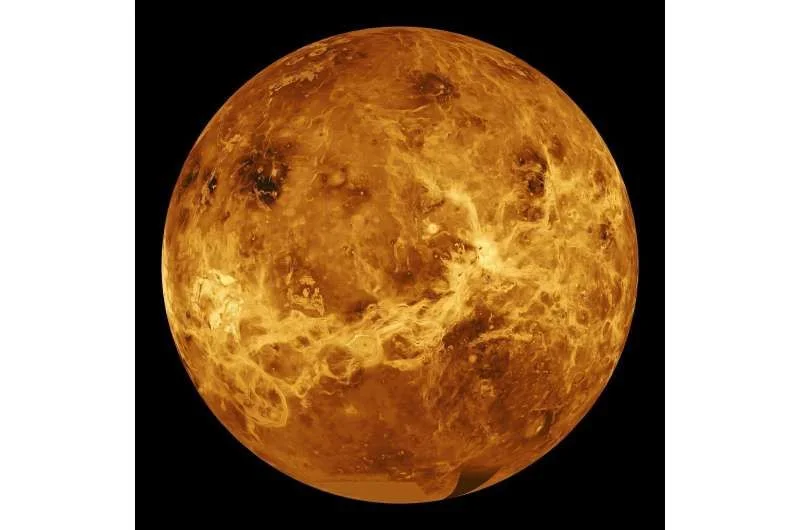
Planetary scientists have cataloged 741 circular structures—known as coronae—across the surface of Venus. Using archival radar data from the Magellan spacecraft, researchers now suggest these formations serve as primary indicators of the planet's hidden internal dynamics. Unlike the rigid, drifting tectonic plates of Earth, Venus appears to possess a crust that deforms with fluid-like behavior in response to internal heat upwellings.
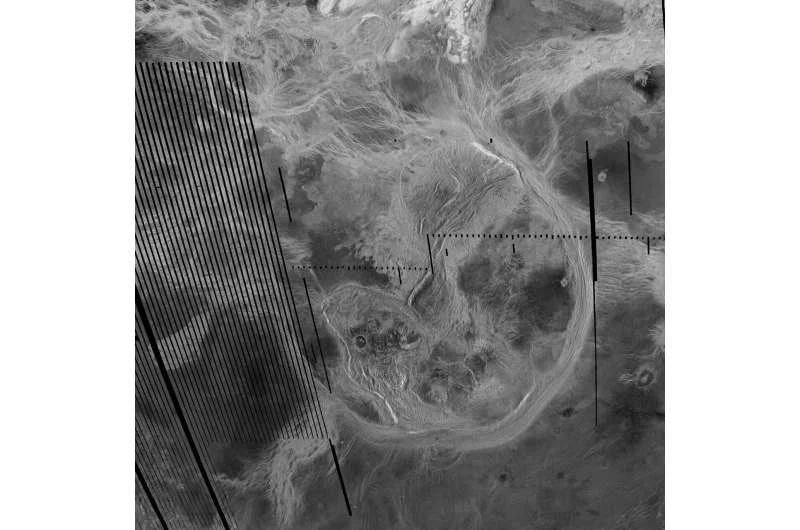
The identification of these 741 sites reveals a geodynamic regime that remains largely misunderstood.

| Feature | Earth | Venus |
|---|---|---|
| Crustal Movement | Tectonic plates (moving) | Rigid shell (static/deforming) |
| Carbon Cycle | High efficiency (mantle recycle) | Negligible recycling |
| Surface Activity | Shield/Stratovolcanoes | Pancake domes, arachnoids, coronae |
Mechanical Anomalies and Heat Exchange
The presence of 'pancake domes' and 'arachnoids' suggests geological processes distinct from terrestrial volcanic activity. Experts argue that the absence of oceans and the resulting inability to effectively recycle carbon have forced Venus into a state of thermal stagnation.

The crust reacts to deep mantle plumes by stretching and cracking, creating the observed 'crown-like' coronae.
Extreme surface temperatures, capable of melting lead, alter how molten rock cools and settles.
Researchers hypothesize that studying these deformations provides a mirror to Earth’s own geological infancy, offering a baseline for why the two planets diverged so drastically in their capacity to sustain biological life.
A Pre-Tectonic Perspective
The scientific community currently compares the study of these Venusian features to the state of Earth sciences roughly 50 years ago, before the establishment of plate tectonic theory. Current models indicate that while Earth uses subduction to vent internal heat and stabilize the surface, Venus relies on these massive, localized geodynamic events to facilitate heat transfer.
Read More: Indigenous Data Rights Now Key in Conservation Genomics
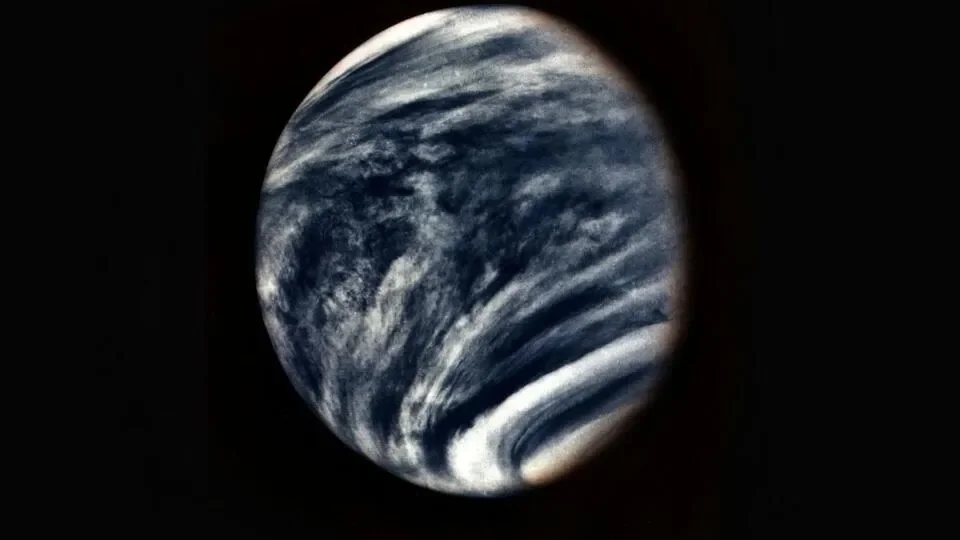
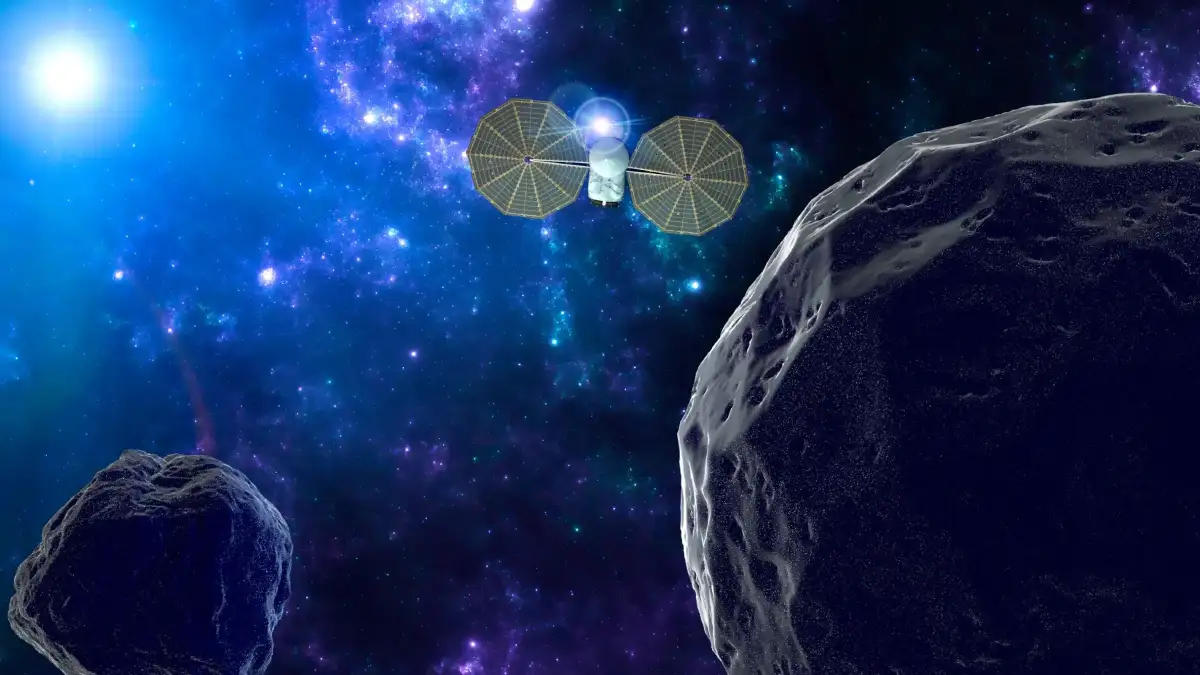
The upcoming VERITAS mission, scheduled for the late 2020s, is intended to capture high-resolution imagery that may confirm if these radar signatures reflect active crustal mobility or relics of a previous, more violent geologic era. Until then, the planet remains a singular case study in how planetary atmosphere and interior composition define a world's viability.