An alleged meeting between Ali Larijani, a prominent Iranian figure, and Henry Kissinger, the former U.S. Secretary of State, from 2015 has resurfaced, drawing renewed attention online. This comes at a time when the geopolitical landscape of the Middle East is visibly altered, underscoring how dramatically relations between Iran and the United States have changed since that period.
The purported encounter, framed as a philosophical exchange rather than a formal diplomatic overture, took place during a phase of cautious détente between Tehran and Washington, coinciding with the finalization of the Iran nuclear deal. Larijani, according to accounts, expressed skepticism about grand strategic partnerships given the absence of direct diplomatic ties. Kissinger, in turn, is said to have highlighted the historical depth and regional significance of both Iran and Egypt.
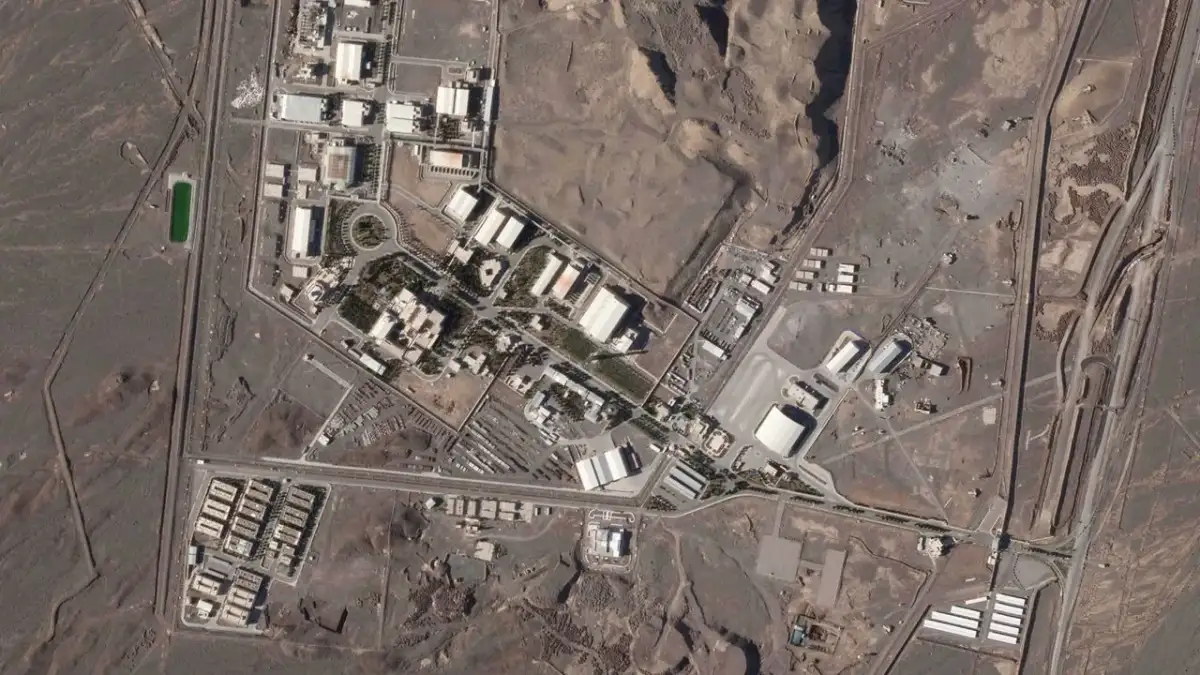
Read More: Iran Zagros Mountain Nuclear Site Construction Update April 2026
Shifting Sands of Diplomacy
The renewed focus on this 2015 interaction appears to be partly driven by current developments, which have significantly strained ties between the two nations. While the meeting itself was characterized by a rare convergence on acknowledging shared strategic history, the intervening years have seen diplomatic relations fracture.
A Matter of Perceived History and National Stance
During discussions, Larijani reportedly referenced his desire to meet with Kissinger. In a particular exchange, when the notion of "Iran must surrender" was voiced, Larijani asserted it indicated a lack of understanding of the Iranian people. Kissinger, according to the accounts, then invoked the long histories of Egypt and Iran in the Middle East, suggesting a recognition of their enduring regional roles.
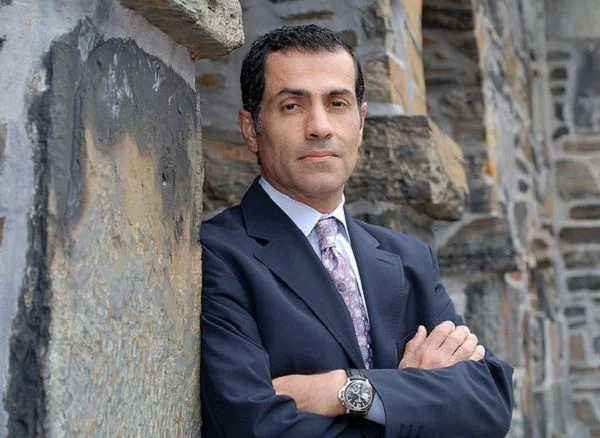
Further reflections from sources like Vali Nasr point to a steadfast Iranian national security posture, rooted in religion but driven by nationalist, steadfast, and calculating commanders when dealing with such matters. Nasr, a university professor, has observed that despite predictions, the Iranian regime has persisted, its nuclear program has not been dismantled, and its military has demonstrated significant capability. One purported remark attributed to Larijani in response to such pressures was: "When will you get tired of the Middle East and leave?!"
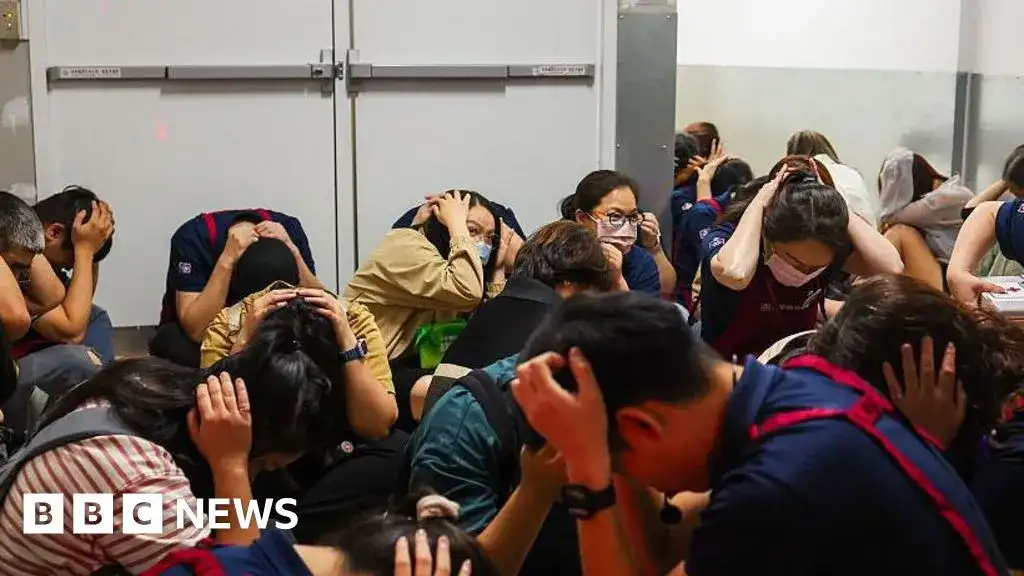
Read More: Taiwan Holds Nantou County Drills to Prepare for State Collapse
Contextualizing the Encounter
The alleged meeting between Larijani and Kissinger, reportedly around 67 years old when it took place, has sparked online interest, particularly after a video surfaced showing Larijani discussing the encounter. The resurfacing of this conversation, which touched upon shared historical perspectives, occurs against a backdrop of deepened animosity and heightened regional tensions. The discussions, while philosophical, also touched on Iran's wariness of overtures for strategic partnerships without basic diplomatic relations.
The reported interaction offers a glimpse into a period where, despite underlying mistrust, there was an acknowledgment of a shared strategic depth between Iran and the U.S., particularly from Kissinger's perspective concerning Iran's long-standing regional influence.