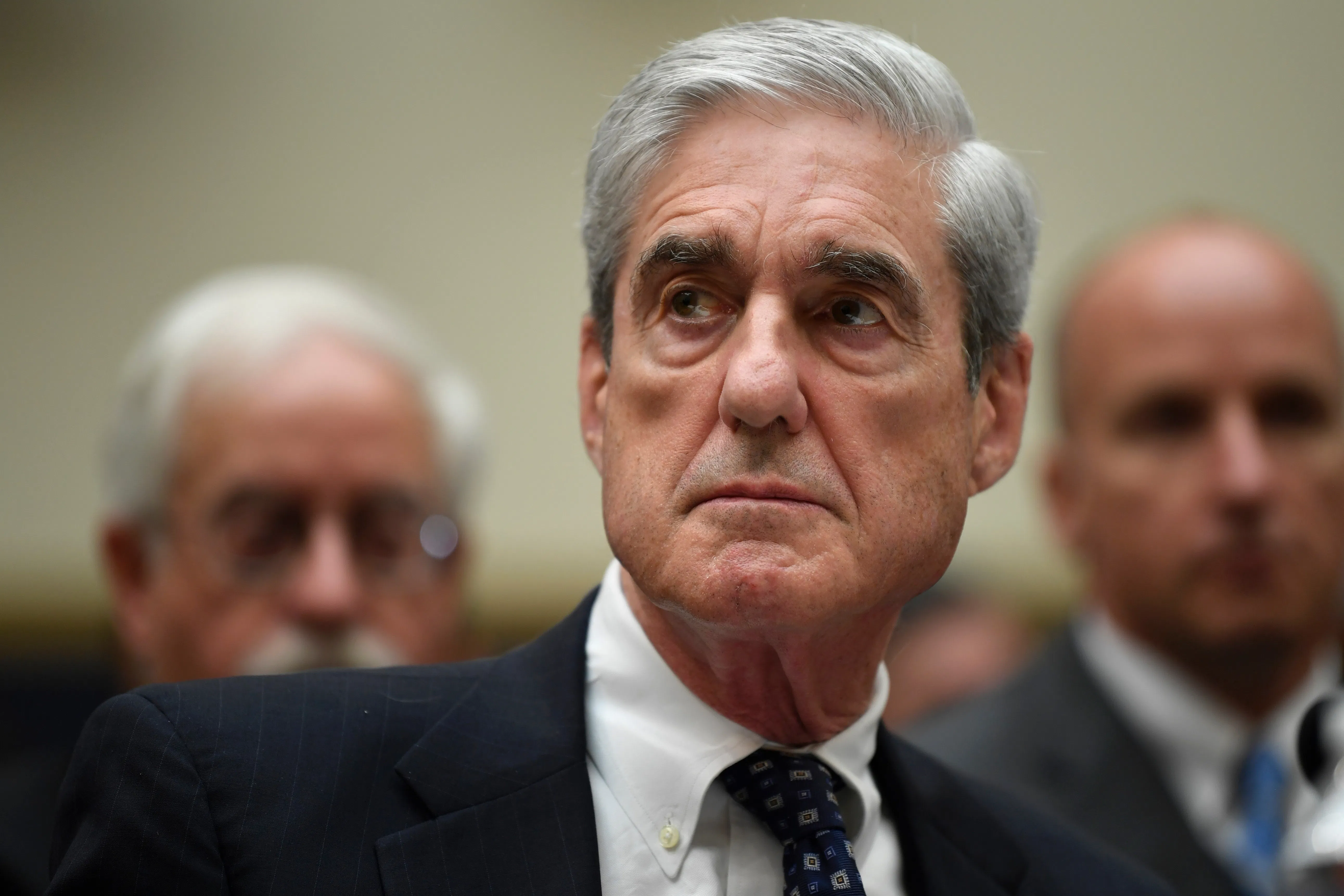
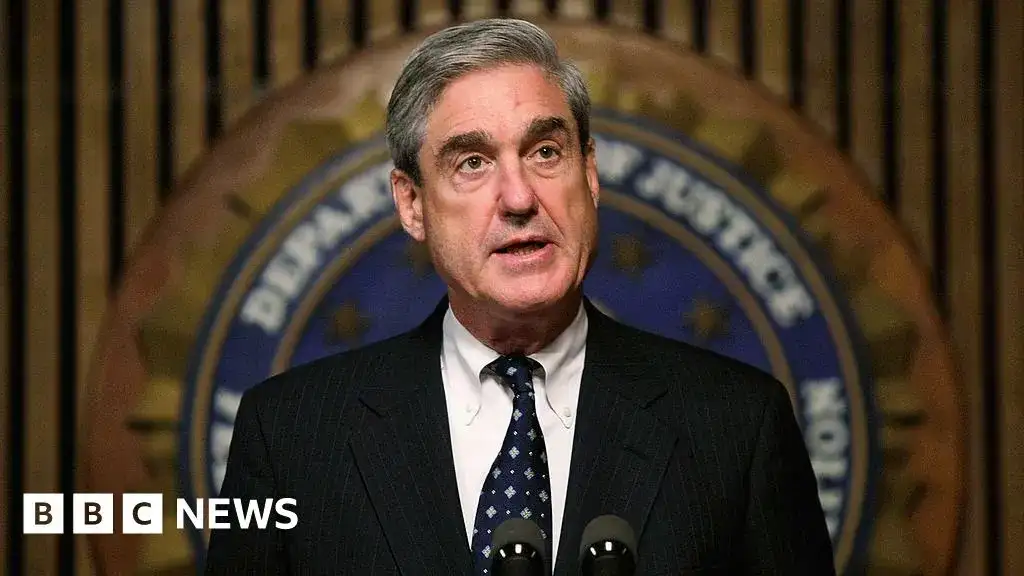
President Trump's vitriolic response to the death of former FBI Director Robert Mueller, aged 81, has ignited a fresh round of partisan fury.
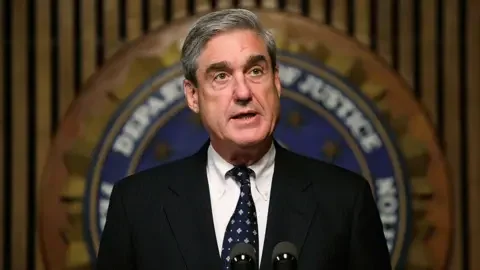
Robert Mueller, the man who helmed the politically charged investigation into Donald Trump's 2016 presidential campaign and its alleged ties to Russia, has died. He was 81 years old. This event, rather than prompting traditional expressions of sorrow, has instead unleashed a torrent of caustic remarks from President Trump himself, who publicly declared, "Good, I'm glad he's dead." This statement, posted on his social media platform, Truth Social, stands in stark contrast to the condolences offered by many others and has further deepened the chasm in the national discourse surrounding Mueller's legacy.
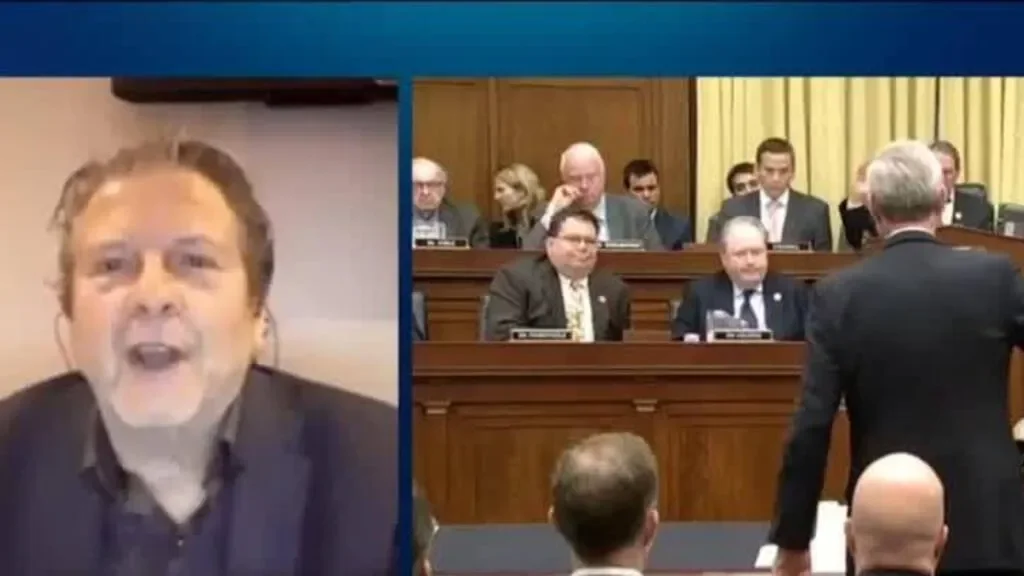
The Mueller Report, a document that consumed Washington for nearly two years, delved into Russia's interference in the 2016 election and examined various Trump campaign associates. While Mueller's investigation did not establish a criminal conspiracy between the campaign and Russia, it did detail numerous contacts and laid out evidence of President Trump's attempts to influence the investigation. Mueller's team secured guilty pleas from several individuals connected to Trump's inner circle. Mueller himself, while often speaking little publicly, had maintained that his report did not exonerate Trump on the matter of obstruction of justice, a decision that fueled considerable debate and political maneuvering.
Read More: Robert Mueller, 81, Dies After Leading FBI and Russia Probe
A Legacy of Division and Disdain
The late FBI director's passing, confirmed by CBS News, the BBC's US partner, and the Associated Press via his family, has been met with a range of reactions. While Senate Minority Leader Chuck Schumer offered condolences to Mueller's family and decried the "cruelty" of Trump's remarks, others have echoed Trump's sentiments, framing Mueller's work as a politically motivated attack.
"He can no longer hurt innocent people!"
This sentiment, shared by Trump, appears to resonate with some who viewed the special counsel investigation as a protracted "witch hunt" or "Russia hoax."

Mueller's Trajectory: From Decorated Marine to Special Counsel
Mueller's career was marked by significant public service. A former Marine who served in Vietnam and was decorated for heroism, he later served as FBI Director for 12 years, beginning just one week before the September 11th attacks. During his tenure, he was credited with transforming the agency into a formidable terrorism-fighting force. His appointment as special counsel in 2017 placed him at the center of a political storm that would define his later years.
Read More: Robert Mueller, 81, Dies; Led 2016 Russia Election Investigation
The cause of Mueller's death was not immediately disclosed. His lengthy service as FBI Director, second only to J. Edgar Hoover, and his later role in the Trump-Russia investigation cemented his place in American legal and political history, albeit a history now overshadowed by the persistent animosity he engendered from the former president. The controversy surrounding his report, and Trump's continued public denunciation, ensures that Mueller's legacy will likely remain a subject of intense debate.