U.S. PRESIDENT ALLOWS RUSSIAN OIL TO CUBA AMID MARKET UNCERTAINTY
In a move that raises questions about strategic objectives, President Donald Trump has permitted a Russian oil tanker to proceed to Cuba, despite his administration's prior stance of enforcing a near-total oil blockade on the island nation. The admission, made by Trump himself on Air Force One, signifies a departure from previous policy enacted since January.

The allowance of Russian oil to Cuba, a nation under U.S. sanctions, emerges as a pivotal event, potentially reshaping energy dynamics and U.S. foreign policy pronouncements. This decision follows a Friday statement by Trump at a Miami investment forum, where he alluded to U.S. military actions in Venezuela and Iran. The implications for Cuba's survival and its dependence on external energy sources are now under fresh scrutiny.

GLOBAL MARKETS REACT TO TRUMP'S TARRIFF THREATS
President Trump's rhetoric concerning secondary tariffs on nations engaging with Russian crude has injected significant volatility into global energy markets. Traders and investors are left grappling with deciphering the precise impact on oil prices. This strategy appears rooted in leveraging American economic power to isolate Russia, particularly as the conflict in Ukraine continues. Attention is now focused on 'contracts with exposure to Russian supplies' within oil and gas futures.
Read More: Ibrahimpatnam Election Stayed After BRS Councilor Abduction Allegations Feb 16

RUSSIA'S GAINS IN IRAN CONFLICT AMID U.S. WAIVERS
The ongoing war in Iran has served to spike global oil prices, a development reportedly viewed favorably by Russian President Vladimir Putin. This conflict has bottlenecked a substantial portion of global oil supply, thereby increasing the premium on remaining sources, including Russian oil. While Brent crude saw a sharp decline following Trump's announcement of postponed attacks on Iranian energy infrastructure and subsequent negotiations, the U.S. also issued a 30-day waiver permitting the purchase of Iranian oil already loaded on vessels.
Read More: One US Pilot Found After F-15 Jet Shot Down Over Iran on Friday
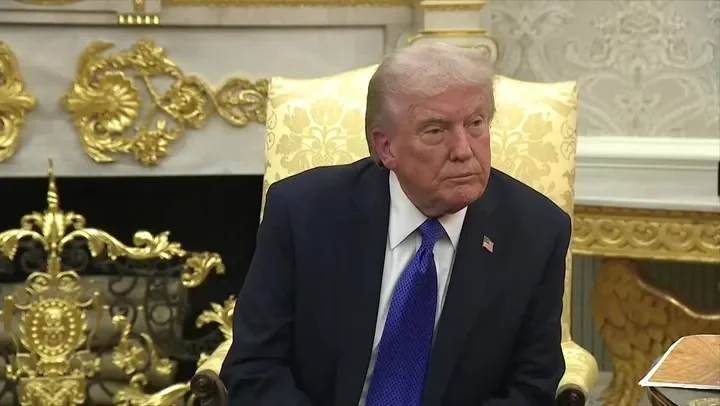
Treasury Secretary Scott Bessent characterized this waiver as a "deliberately short-term measure" that would "not provide significant financial benefit to the Russian government."
Despite these assurances, a period of reduced sanctions and increased Russian oil sales, even through discounted or covert channels, has reportedly instilled a renewed sense of confidence among Russian officials. There is an observable hope that this U.S. leniency might extend beyond the waiver's expiration date of April 11.
BACKGROUND
The geopolitical landscape, particularly concerning energy resources and U.S.-Russia relations, has been marked by escalating tensions. President Trump's approach has involved using economic instruments, such as tariffs and sanctions, as leverage against Russia. This strategy is amplified by regional conflicts, such as the one in Iran, which directly influence global oil prices. The U.S. policy towards Cuba has historically involved strict economic measures, making the recent allowance of Russian oil a notable shift. The interplay between these factors—U.S. foreign policy pronouncements, international conflicts, and market reactions—creates a complex and often unpredictable global energy environment.
Read More: Annamalai not running for MLA in Tamil Nadu elections