

The Waiting Game Intensifies
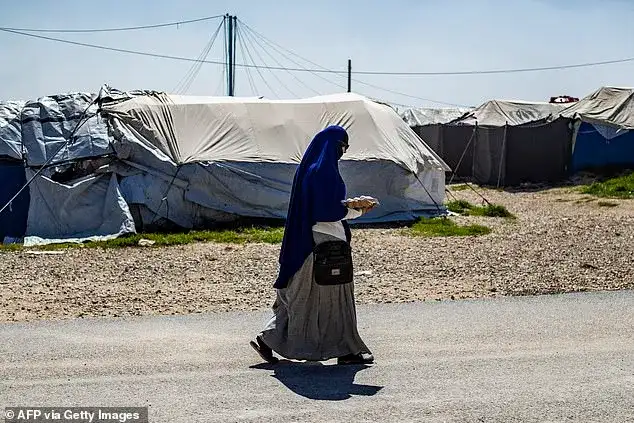
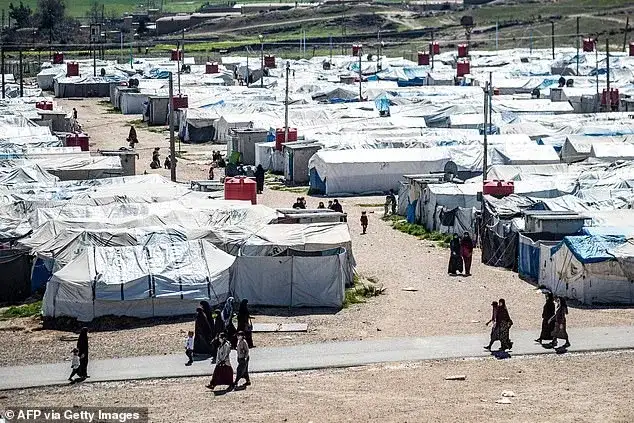
At least 34 Australians, including 14 adults and 20 children, remain detained in the al-Roj camp in northeastern Syria. These individuals, linked to the now-dismantled Islamic State, face harsh conditions, with reports indicating children suffer from developmental disorders, diarrhea, and rickets. While the Australian government states it "is not providing assistance to this cohort," a confluence of recent events and persistent advocacy suggests a re-evaluation of this stance is underway. The situation remains a 'waiting game,' with proponents of repatriation arguing that government inaction poses a greater risk to national security.
Secret Missions and Self-Escapes
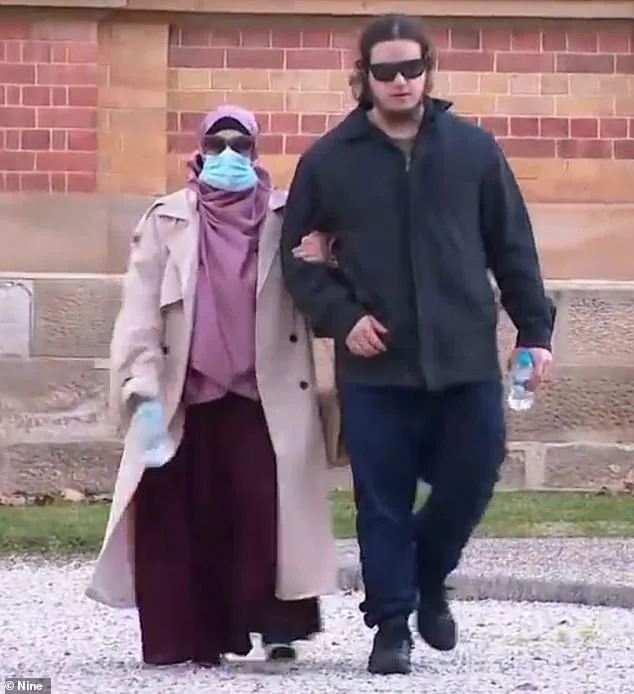
The complexities surrounding these women and children are underscored by a series of disparate arrivals and covert discussions. On September 26, 2025, two women and four children arrived in Victoria, having smuggled themselves out of Syrian displacement camps. This unauthorized return followed the escape of a group of six women and children to Lebanon, who also departed Syria without direct Commonwealth assistance. These incidents highlight the precarious situation faced by those stranded, prompting speculation about the efficacy and ethics of current government policy.
Read More: Trump Allows Russian Oil to Cuba, Affecting Energy Prices
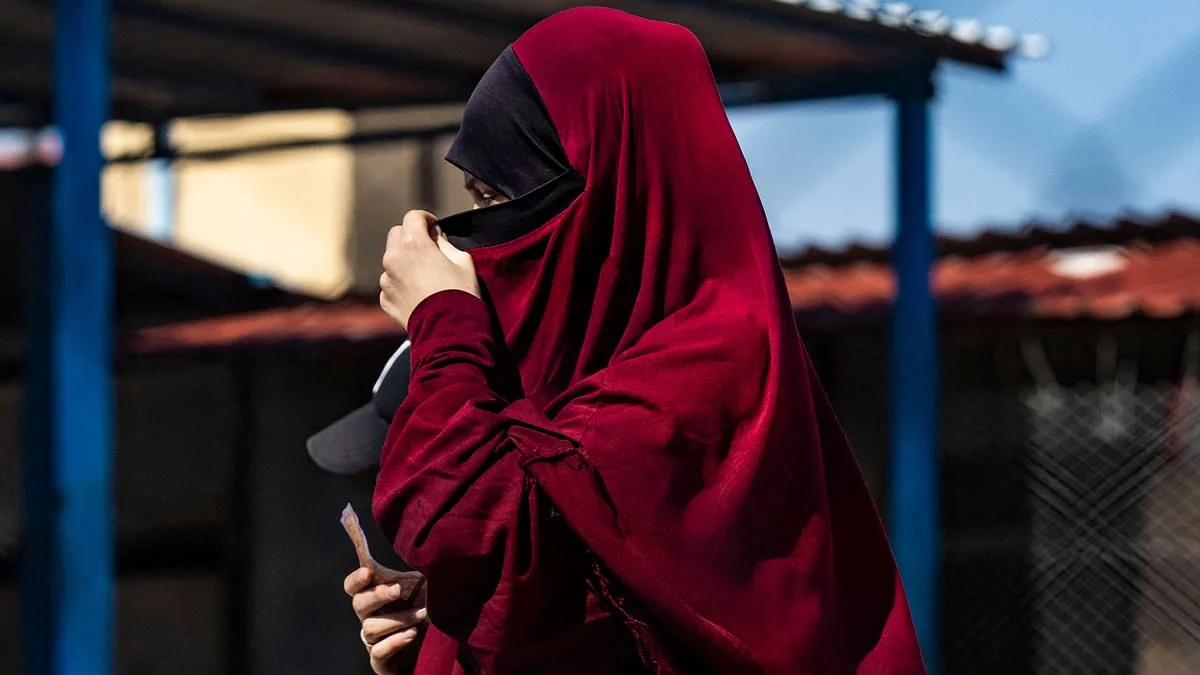
Parallel to these unauthorized arrivals, a 'top-secret operation' was reportedly underway in September 2025 to evacuate another group of Australian women and children from camps in Syria, with plans to bring them home before Christmas. This clandestine mission, reportedly in its final stages of approval, aimed to repatriate "more than a dozen women, children, and several young men" to New South Wales and Victoria. Officials stated that Canberra would not deploy personnel into Syria due to security concerns.
A Lingering Political Flashpoint
The issue of returning Australian citizens linked to the Islamic State has consistently reignited national political debate. In February 2026, a Western Sydney physician, Dr. Jamal Rifi, vocalized his involvement in a failed attempt to secure the release of ISIS brides and children from the al-Roj camp. Dr. Rifi, who traveled to Damascus with three other Australians carrying 35 passports, expressed concern over the prolonged detention and emphasized the need for the government to "take control of this situation before it is too late," while simultaneously prioritizing their safe return.
Read More: South Australia Election 2022: Labor Wins Big, Liberals Lose Many Seats
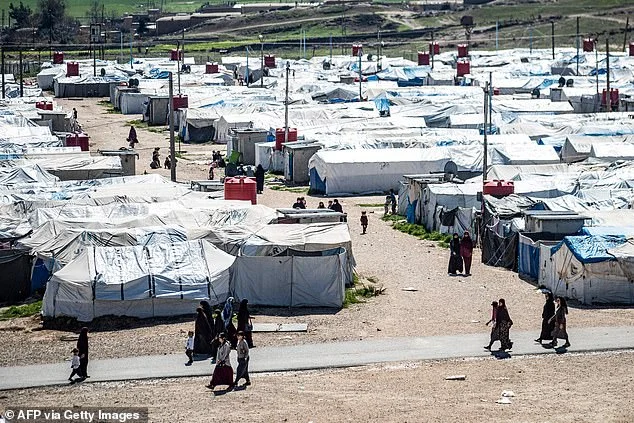
This advocacy comes against a backdrop of proposed legislation from the Coalition aimed at criminalizing assistance to women and children linked to IS attempting to return to Australia, carrying penalties of up to 10 years imprisonment. In February 2026, Attorney-General Michelle Rowland indicated that the government would consult with intelligence and security agencies before endorsing such measures, questioning their legal validity and consistency with Australia's international obligations. These discussions reportedly involved secret talks with New South Wales and Victoria regarding the management of 11 women and 23 children from the region.
Shifting Perspectives on Repatriation
While official government statements indicate a lack of direct assistance to those in Syrian camps, the narrative is evolving. Experts suggest that governments "can do better at handling this situation" by formally and transparently repatriating remaining women and children. As of October 2025, Home Affairs estimated approximately 60 Australian men, women, and children remained offshore, with roughly 30 women and children still in displacement camps. The 'brains trust' quietly working on new repatriation plans, as mentioned by Dr. Rifi, suggests a persistent, albeit low-profile, effort to address the complex humanitarian and security concerns associated with these individuals.
Read More: Trump gives Iran 48 hours to reopen Strait of Hormuz or face power plant attacks
Background
The 'ISIS brides' phenomenon emerged following the territorial collapse of the Islamic State. Thousands of foreign nationals, including women and children who had joined or were affiliated with the group, were left in detention camps across Syria and Iraq. Australia, like many Western nations, has grappled with the decision of whether and how to repatriate its citizens, facing concerns about national security, the potential for radicalization, and the humanitarian conditions within the camps. The al-Roj and al-Hol camps, where many Australians are held, are notorious for their overcrowded and unsanitary conditions.
Read More: Donald Trump says he is 'glad' Robert Mueller died, sparking anger


