The World Health Organization (WHO) has declared an international health emergency concerning an Ebola outbreak in the Democratic Republic of Congo (DRC). The declaration follows a significant rise in cases and deaths, with reports indicating more than 80 fatalities attributed to a specific strain of the virus. Officials have voiced "deep disquiet" over the escalating situation.
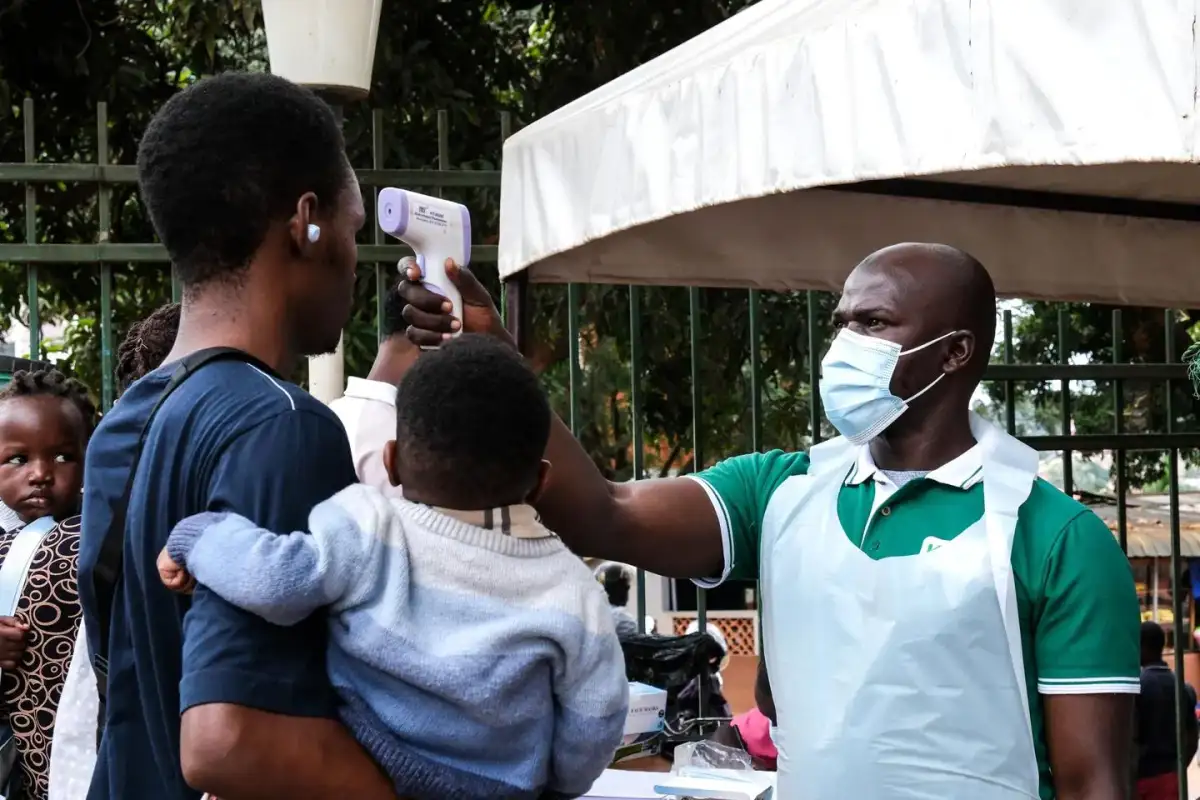
The latest outbreak, confirmed in Ituri province in the northeastern DRC, borders Uganda and South Sudan, heightening concerns about the potential for rapid spread across national lines. Health authorities have warned of a high risk of transmission, a sentiment echoed by the WHO's designation of the situation as a global health emergency. This marks the 17th Ebola outbreak to occur in the DRC.
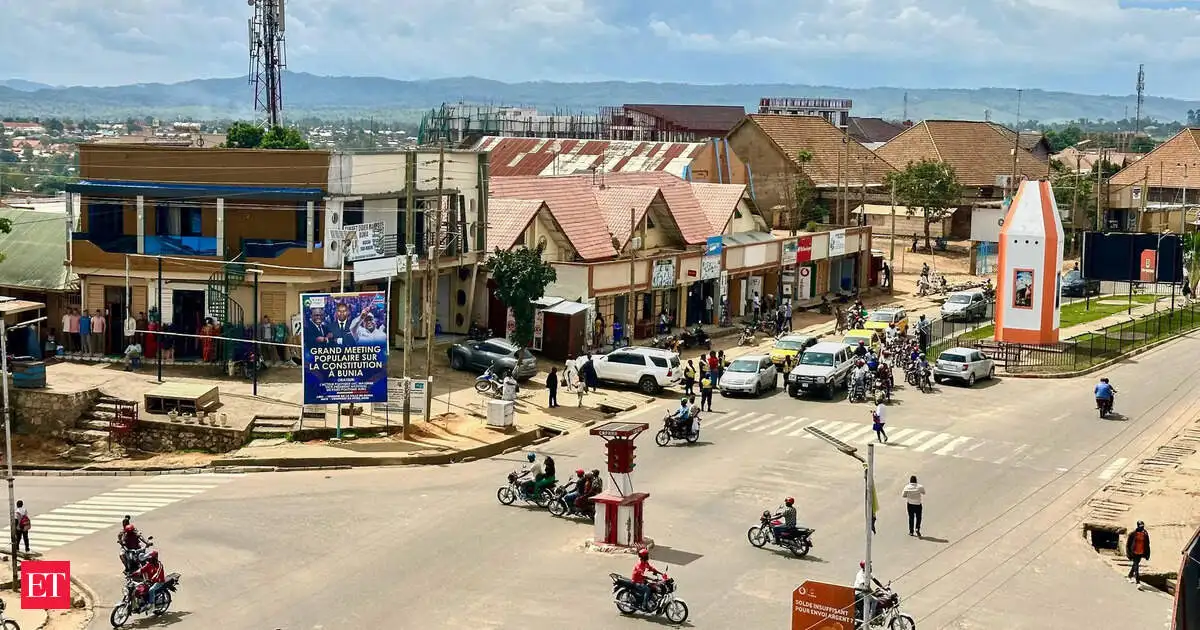
Further complicating the response, reports suggest that there is no vaccine available for this particular strain of Ebola. The outbreak's genesis has been traced, with initial indications pointing to a nurse who sought treatment in Bunia, the provincial capital of Ituri, on April 24th, exhibiting symptoms consistent with Ebola.
Read More: India IVF Costs And Social Barriers Limit Access In April 2026

The Africa Centers for Disease Control and Prevention (CDC Africa) has provided an update noting 88 deaths and 336 suspected cases of the highly contagious hemorrhagic fever. Médecins Sans Frontières (MSF), also known as Doctors Without Borders, has indicated its mobilization of medical and logistical teams to aid in the containment efforts.
This outbreak follows a previous Ebola incident in August of last year, which occurred in the central region of the DRC. Over the past half-century, Ebola has been responsible for approximately 15,000 deaths across Africa, despite advancements in medical countermeasures. The WHO's declaration, while signaling a global health concern, stopped short of labeling the current event a pandemic.
Read More: Fikra API Africa Mobile Money AI Access for Developers