

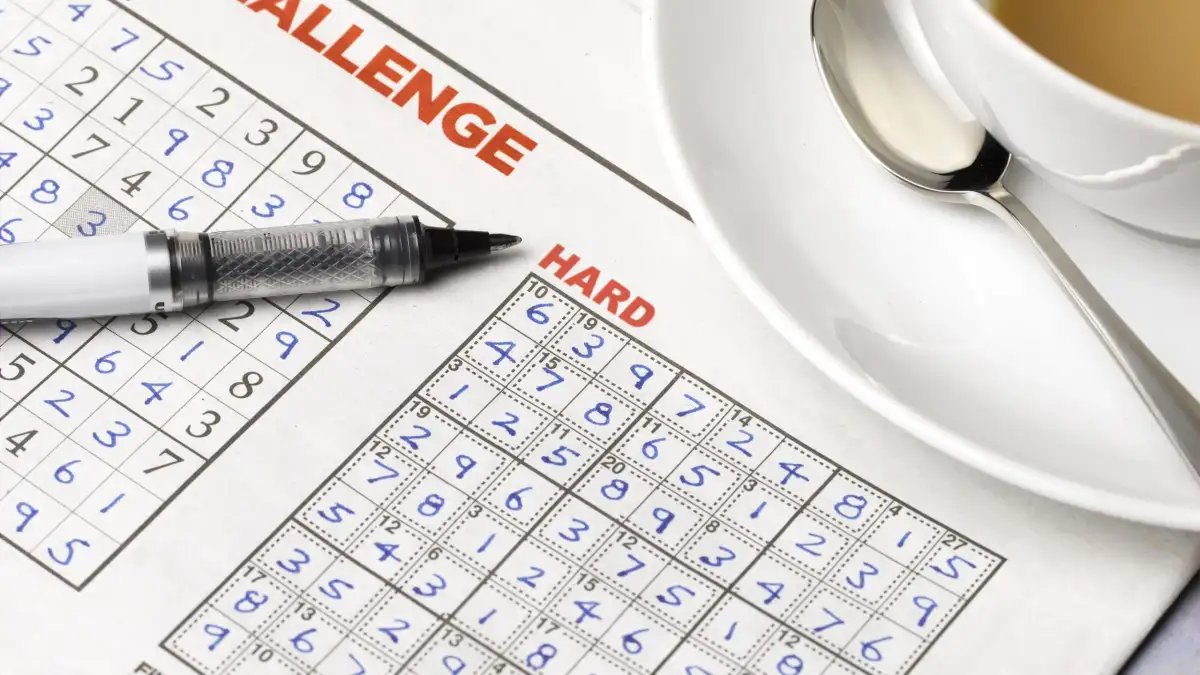
A perplexing neurological episode, tied to the methodical logic of a number puzzle, has doctors talking.
A 25-year-old German man's favorite pastime, solving Sudoku puzzles, unexpectedly triggered seizures. This bizarre ailment stumped medical professionals, with even advanced imaging like MRI scans failing to pinpoint the cause. The connection emerged when the man, recovering from a ski accident, noticed these episodes occurred only when he engaged with the puzzles. Stopping the Sudoku activity brought an immediate halt to the seizures.

Diagnostic Maze
The unusual presentation of the seizures, specifically linked to the mental exertion of Sudoku, led to a deeper investigation. Doctors concluded that damage to the brain's U-fibers, crucial for neural inhibition, was likely responsible. These U-fibers, located throughout the brain, are thought to regulate overactivity. When compromised, this can lead to an uncontrolled excitation of neurons. The intense focus and specific mental processing involved in Sudoku, particularly the "three-dimensional image the patient imagined while solving," was identified as the trigger for this overactivation.
Read More: WHO Declares Ebola Outbreak Global Health Emergency

The patient himself noted that the problem wasn't confined solely to Sudoku. Other activities demanding similar cognitive and motor engagement, such as Scrabble, could also provoke seizures. These shared characteristics involve:
A focus on horizontal and vertical lines.
Intensive calculation and concentration on specific points.
The physical act of finger movement to input answers.
Background of the Condition
The case, detailed in reports including the journal JAMA Neurology, highlights a rare form of seizure activity. The neurological damage is believed to stem from oxygen deprivation following an earlier incident, though the specific details of this incident are not elaborated upon in the provided material. This deprivation resulted in a loss of U-fibers, diminishing the brain's inhibitory capacity.
Remarkably, the patient has reportedly been seizure-free for over five years since ceasing the activities that triggered the episodes. The physicians involved expressed that, fortunately, the activating stimulus was a structured puzzle rather than a spontaneous daily occurrence.


