


Fire Erupts in Madhya Pradesh, Passengers Safely Evacuated
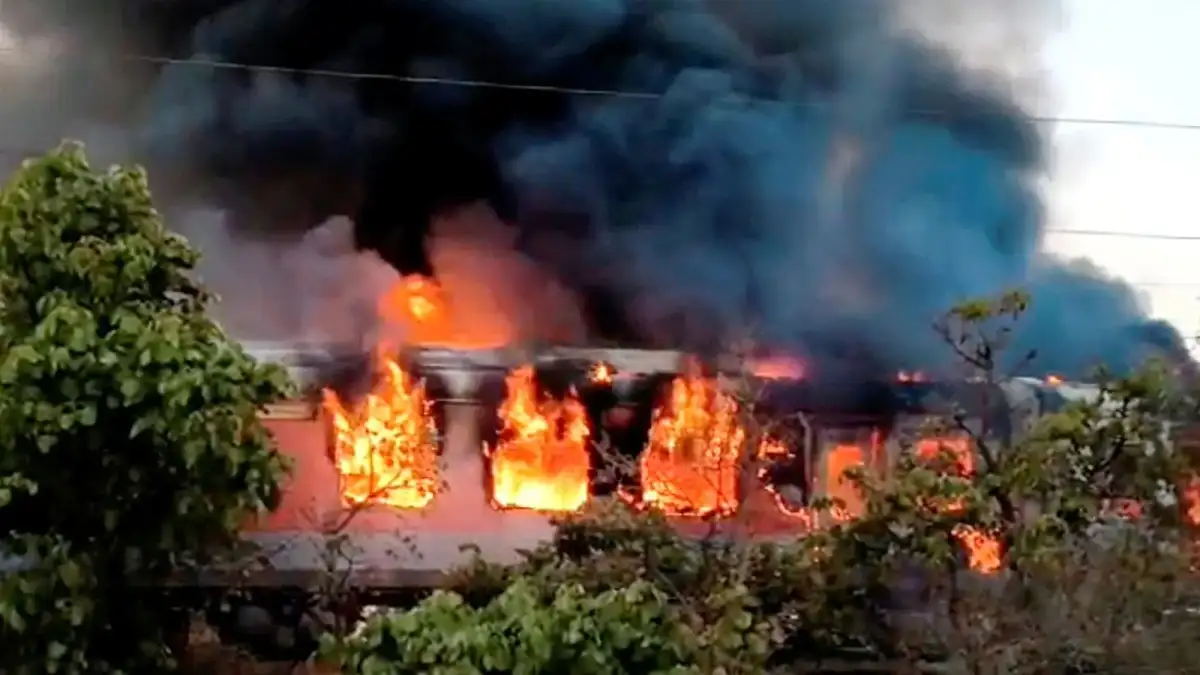
A fire incident occurred early Sunday morning in an air-conditioned coach of the Thiruvananthapuram–Hazrat Nizamuddin Rajdhani Express near Ratlam, Madhya Pradesh. The blaze, which began around 5:15 AM, was confined to the B-1 coach, carrying 68 passengers. All passengers were safely evacuated from the train with no injuries or casualties reported. The affected coach and its attached luggage-cum-guard van sustained damage.

The train, identified by train number 12431, was traveling between Alot and Lunirichha stations under the Kota railway division when the fire was detected. Railway authorities acted swiftly to douse the flames and ensure the safety of all on board. Passengers from the compromised coach were accommodated in other carriages for their onward journey to Kota, Rajasthan, where an additional coach is slated to be attached to restore the train's full capacity.
Read More: Qantas flight QF21 diverts to Tahiti on 16 May 2026 after assault
Railway Operations Affected, Investigation Underway
The incident led to a temporary disruption in train services on the affected lines. Repair work on the overhead equipment on the up line was completed around 1 PM, while restoration on the down Delhi-Mumbai line concluded by 8:30 AM. The train eventually resumed its journey around 9:45 AM. Senior railway officials, including the Divisional Railway Manager of Ratlam, were present at the site to oversee rescue and restoration efforts. The precise cause of the fire remains under investigation by railway officials.

Background
This event brings to light ongoing concerns regarding the safety and maintenance of railway infrastructure. Rajdhani Express trains are among India's premier services, connecting major cities with relatively high-speed travel. The prompt response from railway personnel in evacuating passengers and mitigating further damage is noted. However, the recurring nature of such incidents, irrespective of the outcome, prompts a broader societal reflection on the systems in place to prevent them.
Read More: India's Kalpakkam Reactor Achieves Criticality, Boosts Nuclear Power


