On March 31, 2026, Bruce Springsteen initiated his "Land of Hope and Dreams" tour at the Target Center in Minneapolis. The event functioned as a concentrated political rally, during which the 76-year-old musician characterized the Donald Trump administration as "corrupt, incompetent, and treasonous."
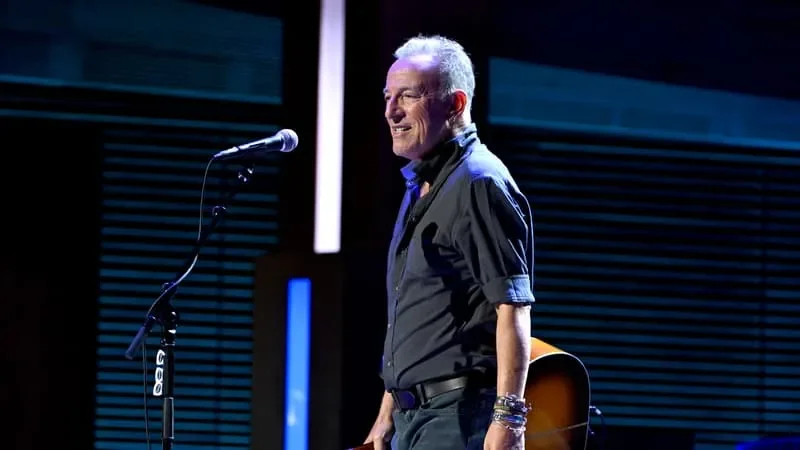
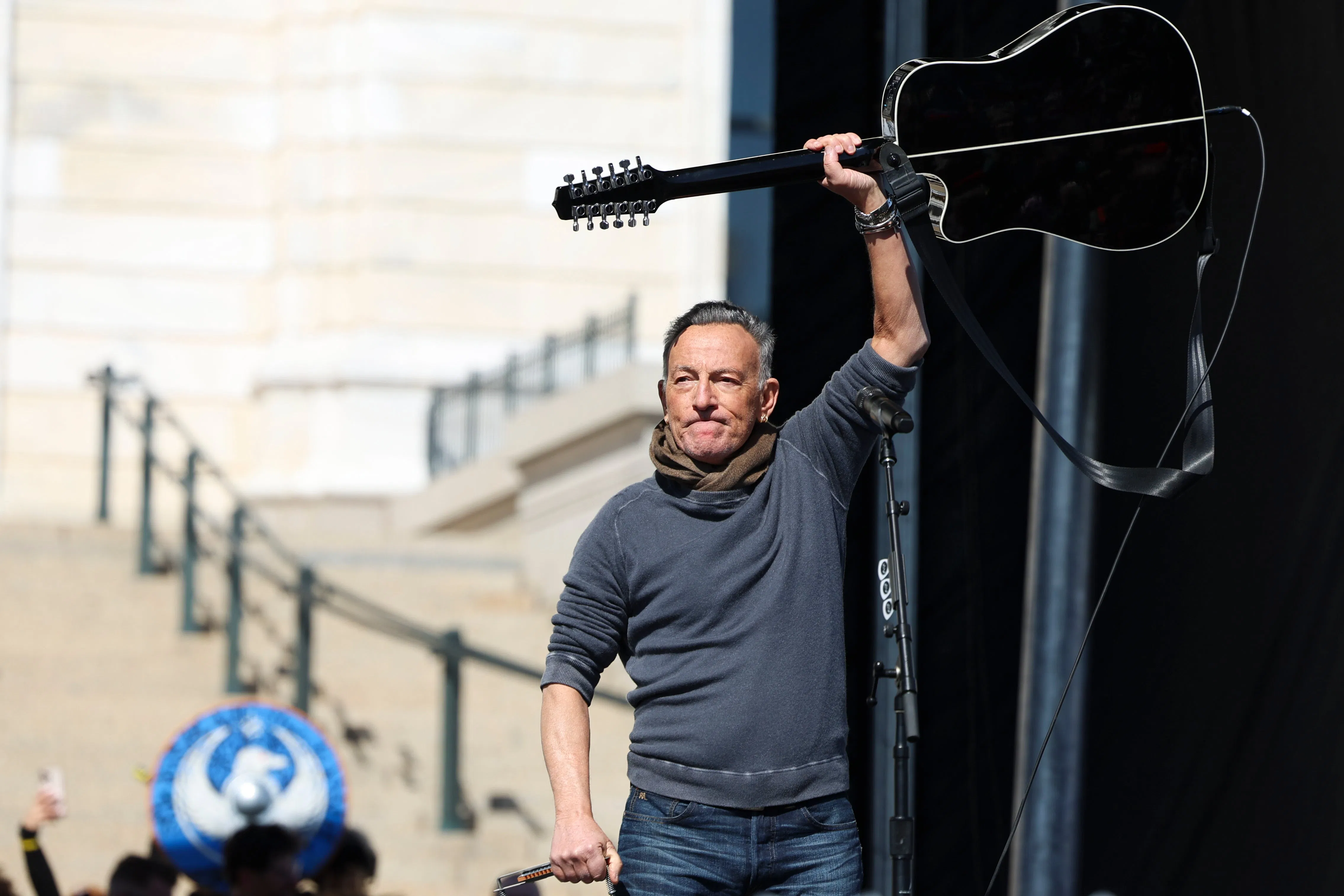
The musician's critique centers on executive overreach, the politicization of the Department of Justice under Pam Bondi, and the escalation of conflict in Iran. The response from the White House was immediate: Donald Trump utilized his social media platform to label the performer a "dried up prune," urging his base to boycott what he described as "overpriced" concert tickets.
The Dialectic of Conflict
The confrontation reveals a tightening feedback loop between legacy cultural figures and the current administrative apparatus. The discourse is characterized by an escalating refusal to seek middle ground, utilizing historical grievances and aesthetic insults to define the legitimacy of the other.
Read More: Why Sharon Stone named Robert De Niro the best kisser from the 1995 movie Casino

| Party | Primary Rhetorical Stance | Targeted Critique |
|---|---|---|
| Springsteen | Systemic corruption; "dark times" | Administration ethics; foreign war; ICE raids |
| White House | Populist dismissal; financial mockery | Artistic relevance; "Trump Derangement Syndrome" |
Structural Risks: Legal analysts suggest that while Springsteen exercises protected expression, his $500 million valuation in likeness and catalog rights remains vulnerable. Institutional investors may perceive association with high-conflict political rhetoric as a liability, leading to potential quiet non-renewal of sponsorship and licensing contracts.
Performance as Protest: By debuting the song Streets of Minneapolis and incorporating the Vietnam-era anthem War, the artist utilized the venue to signal opposition to the current state of the nation. The White House, conversely, has framed this as a desperate grab for relevance by a fading celebrity.
Background and Context
The friction between these two figures is not new but has undergone a shift in intensity. Previously, Springsteen’s critique remained largely within the sphere of tour-speech, but the current escalation includes specific accusations against Attorney General Pam Bondi and direct references to federal policy shifts.
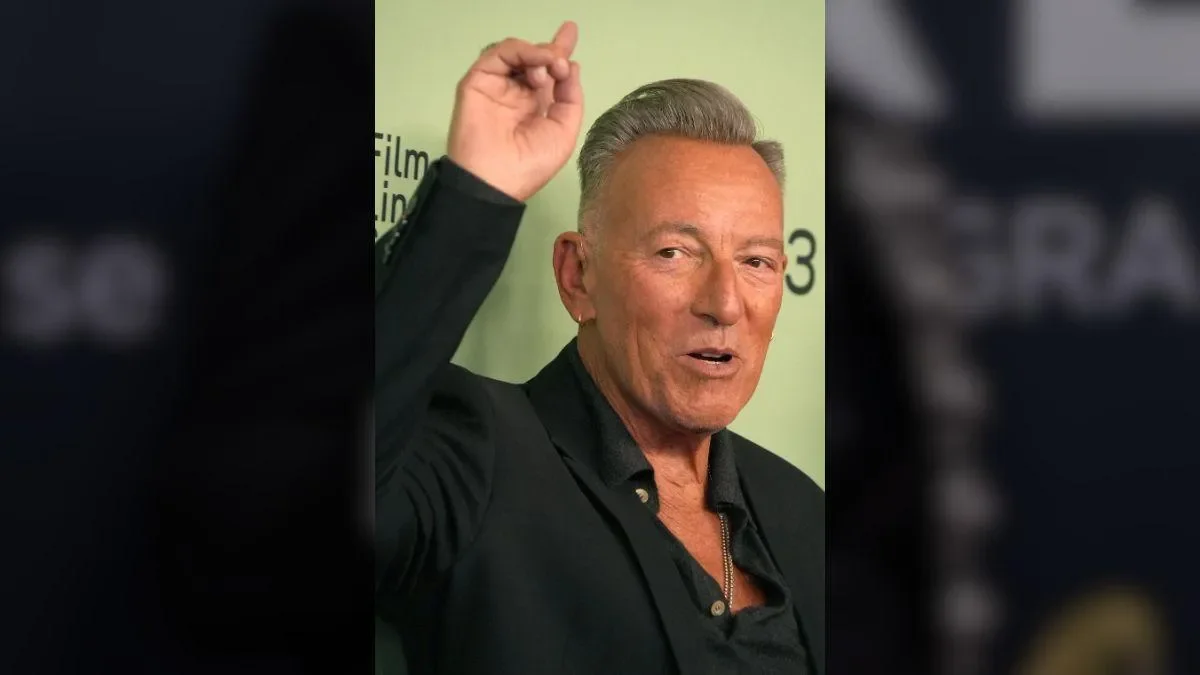
The White House’s public stance—articulated by spokesperson Steven Cheung and echoed by the President—suggests a strategy of total delegitimization. By branding the artist a "loser" and focusing on his age and appearance, the administration avoids engaging with the substantive charges regarding the legality of current foreign wars or judicial independence.
For the listener and the voter, the spectacle offers a binary: a world where artistic expression is either a vital check on a rogue state or, conversely, a symptom of an out-of-touch elite attempting to maintain cultural hegemony through a narrative of decline. The tour serves as the current locus for this widening cultural schism.
Read More: Supreme Court doubts Trump plan to end birthright citizenship in Washington DC this week