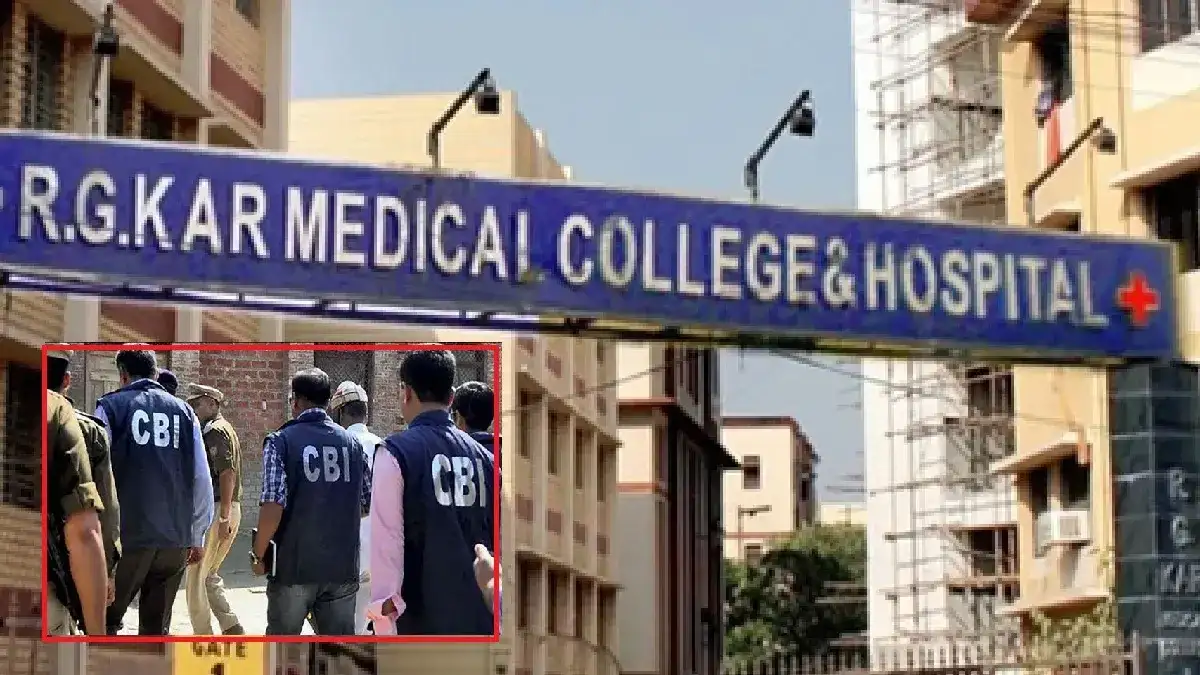
Reduced Voting Phases and Enhanced Security Demands Surface
Political parties in West Bengal are lobbying the 'Election Commission' (EC) to streamline the upcoming 'Assembly election' into a condensed schedule, aiming for fewer polling phases and a stronger emphasis on preventing violence.
The primary demand from key opposition groups, specifically the 'Bharatiya Janata Party' (BJP) and the 'Communist Party of India (Marxist)' (CPI(M)), is to cap the election process at a maximum of three phases. This stands in stark contrast to the 'eight-phase' marathon seen in the '2021 Assembly election', a duration widely criticized as excessively protracted.
The BJP delegation, which included prominent figures like 'Jagannath Chattopadhyay' and 'Sisir Bajoria', formally presented a "16-point charter of demands" to the EC's full bench. This document reportedly highlighted significant security concerns, including allegations of the state police impeding the movement of central forces during previous elections. The party's stance, as articulated by Chattopadhyay, is that "There is no need for seven or eight-phase election."

The CPI(M), represented by its West Bengal State Secretary 'Mohammed Salim', has gone further, advocating for a 'single-phase' election. Failing that, the party insists the process should not exceed two phases. This push for a more concentrated electoral calendar reflects a desire to expedite the process and, for some, perhaps to mitigate perceived opportunities for unrest or manipulation over extended periods.
Read More: Taiwan Holds Nantou County Drills to Prepare for State Collapse
Both the BJP and CPI(M) have explicitly urged the EC to implement robust measures to ensure a "violence-free and fair" election. This recurring theme underscores the persistent concerns surrounding electoral conduct in the state, a backdrop against which these calls for administrative efficiency are being made.

EC Engages with Stakeholders Amidst Campaigning Season
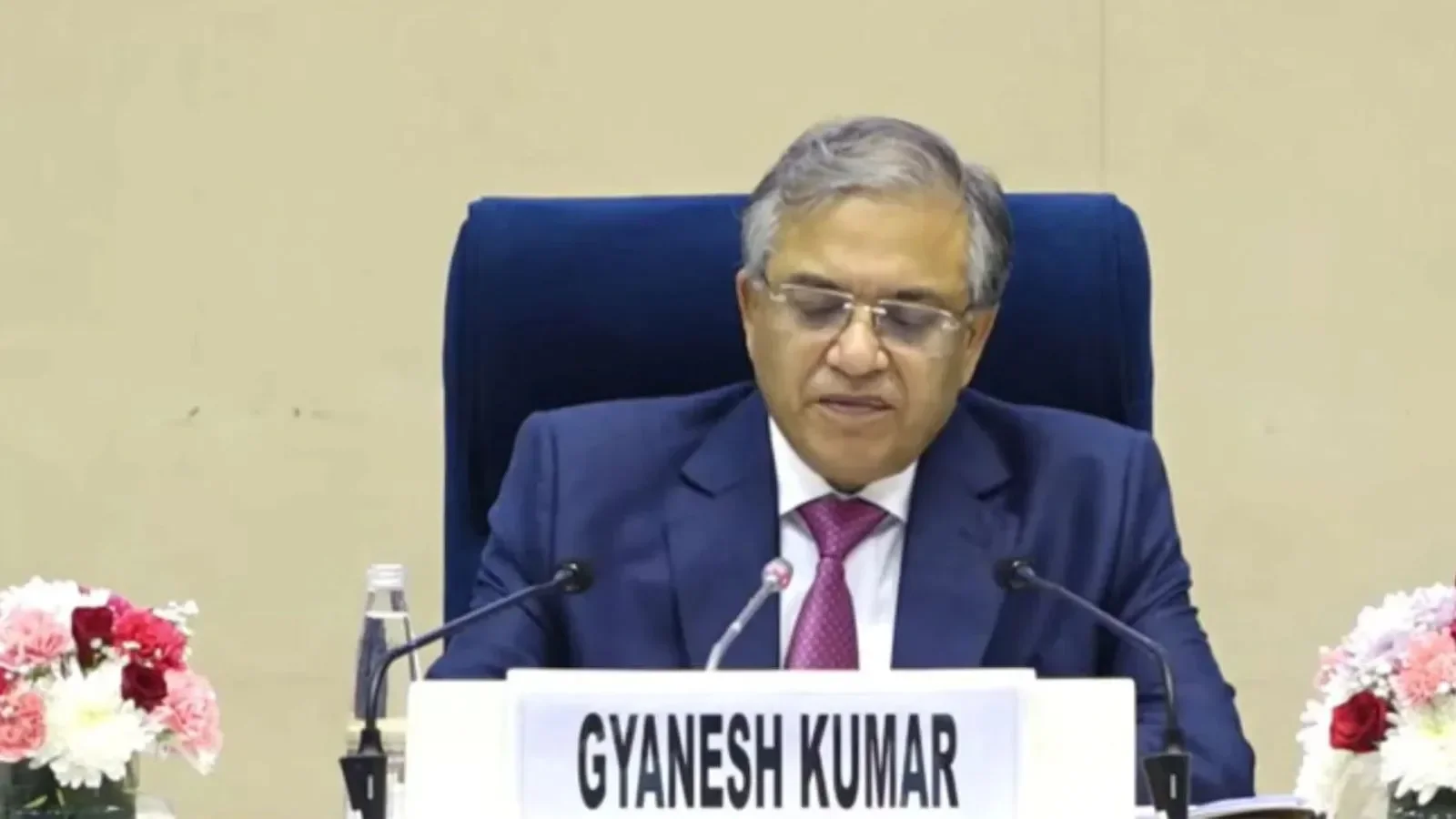
The 'Election Commission of India' (ECI), led by 'Chief Election Commissioner' (CEC) 'Gyanesh Kumar', along with Commissioners 'S.S. Sandhu' and 'Vivek Joshi', has been actively meeting with delegations from various recognized national and state parties. These consultations, held on 'Monday', serve as a platform for the EC to hear the apprehensions and suggestions of political actors ahead of the polls.
Sources within the EC indicate a keenness to "avoid long-drawn polls" and are reportedly "seriously exploring the possibility of sharply reducing the number of polling phases." This suggests a potential shift in electoral strategy, possibly influenced by the parties' entreaties and an internal assessment of logistical requirements.
Read More: Om Birla asks West Bengal MLAs for solutions, not just criticism

Concurrently, there are indications of a substantial deployment of 'Central Armed Police Forces' (CAPF). Internal estimates suggest that nearly "2,000 companies of CAPF—amounting to around 2.4 lakh personnel" might be required, a figure described as unprecedented. This planned increase in central force presence is framed as a measure to bolster security and ensure a more orderly electoral process.
While the BJP and CPI(M) focus on phase reduction and security, other parties, such as the 'Trinamool Congress' (TMC), have also participated in the EC meetings. Reports suggest the TMC expressed dissatisfaction after their interaction, though their stated priority remains addressing "public concerns." The specifics of their demands and reservations were not elaborated upon in the provided material.
Historical Context and Evolving Electoral Landscape
West Bengal has a recent history of protracted 'Assembly elections', with the '2021' polls spread across 'eight phases' for '292 seats'. This multi-phase approach has been the norm for "over a decade." The current push by parties to drastically shorten this period signals a desire for a more compact and, they argue, efficient electoral cycle.
Read More: FBI Analysts Review Georgia 2020 Election Data in Fulton County
The emphasis on violence prevention is a consistent narrative in West Bengal's political discourse. Allegations of intimidation and the misuse of weapons have been raised by parties, prompting the EC to publicly affirm its commitment to "guarantee impartial, transparent and peaceful elections." The deployment of central forces, a contentious issue in past elections, is also being closely watched.
The differing positions on the number of phases—the BJP's 'not more than three', the CPI(M)'s preference for 'one or two'—highlight a spectrum of demands within the opposition, all converging on the need for a shorter electoral duration. The EC's eventual decision will be a significant indicator of its response to these political pressures and its own logistical considerations.