KOLKATA - West Bengal Governor C.V. Ananda Bose has resigned from his post, a move that appears to bring a close to a prolonged period of discord with Chief Minister Mamata Banerjee. Bose stated he had spent sufficient time in the Governor's office and indicated his departure was imminent. His tenure was marked by a series of public spats and accusations, casting a shadow over the state's political landscape.
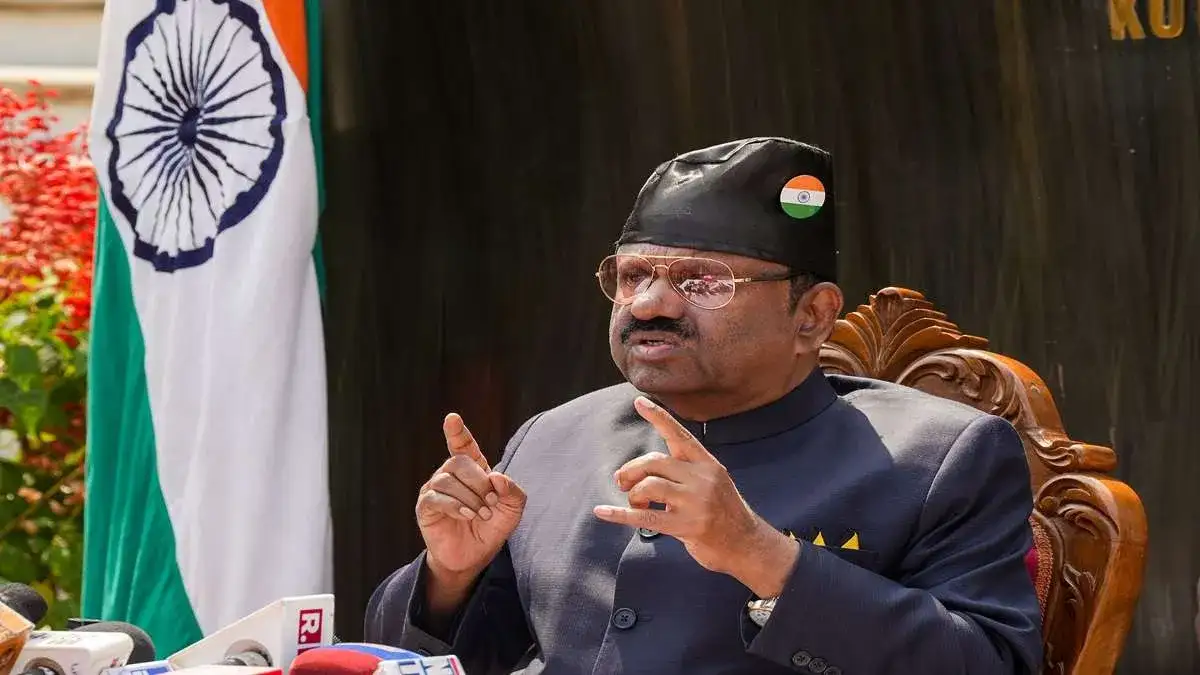
The Governor's office in Kolkata became a focal point for various controversies during Bose's term. A significant point of contention arose with allegations of molestation against Bose, brought forth by a female contractual employee of the Raj Bhavan. This led to Chief Minister Banerjee and her party, the Trinamool Congress (TMC), demanding his resignation. Bose, however, publicly dismissed these claims, suggesting they were orchestrated to create trouble, particularly during a time Prime Minister Narendra Modi was scheduled to stay at the Raj Bhavan.
Read More: Taiwan Holds Nantou County Drills to Prepare for State Collapse
Further complicating the relationship, the state government under Banerjee had to contend with interventions from central agencies. The Enforcement Directorate (ED) engaged in a legal tussle with the West Bengal government, with Bose himself commenting on petitions raising "serious legal concerns" regarding ED raids on political consultancy firm I-PAC. The Supreme Court issued notices to Chief Minister Banerjee and senior state police officials concerning this matter, signaling a high-stakes legal confrontation. Bose's tenure also saw him express his views on the state's law and order, at times offering sharp critiques, and at others, stating he was working to make Bengal "violence-free."
A History of Public Disagreements
The dynamic between Bose and Banerjee was anything but smooth. While there were occasional instances of outward cordiality, such as when Banerjee draped a shawl around Bose during a dramatic exit from an assembly session, underlying tensions were frequently apparent. At one point, Bose reportedly characterized Banerjee's politics as "dirty" and even indicated a desire to "socially boycott" her. He also lauded the state government's achievements and schemes during an assembly session, a moment that seemed to signal a temporary truce, only for the BJP legislators to attempt to disrupt his speech.
Read More: Om Birla asks West Bengal MLAs for solutions, not just criticism

Bose's actions sometimes directly challenged the state government's directives. He declined Chief Minister Banerjee's request to postpone a visit to Murshidabad following incidents of violence, asserting his intention to assess the situation firsthand. His public pronouncements occasionally included pointed observations, such as his comment comparing the governance structure to "Dr Jekyll and Mr Hyde."
Background to the Governor's Role
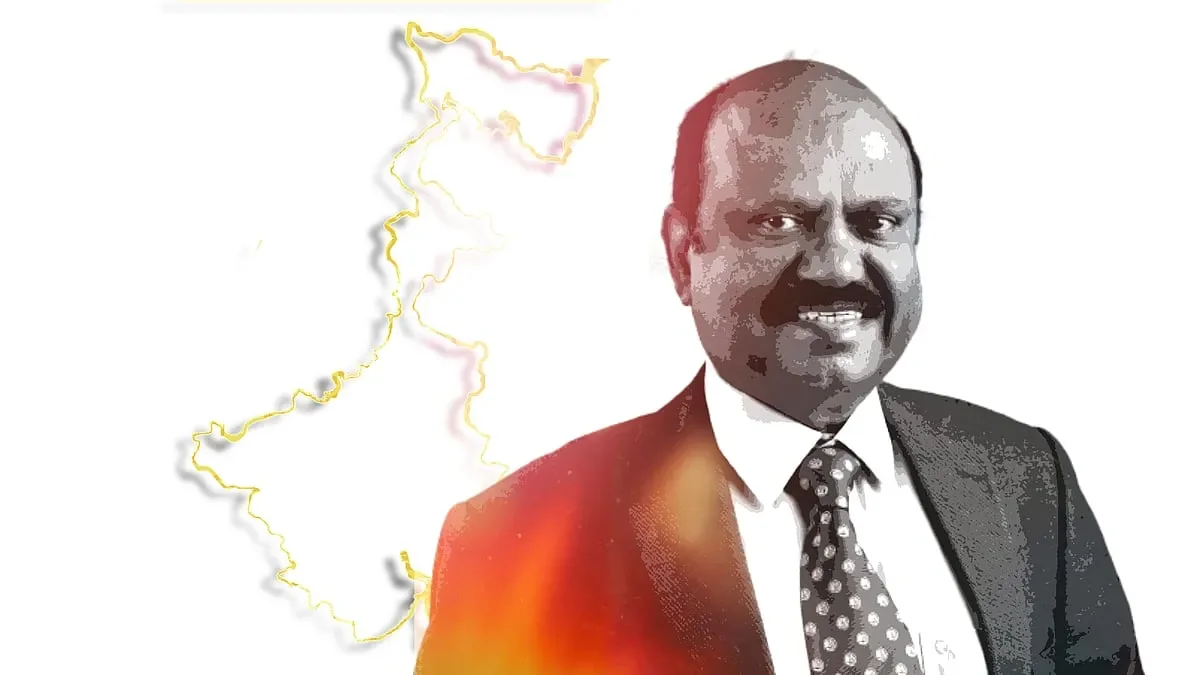
C.V. Ananda Bose, who is from Kerala, took up the position of West Bengal Governor in November 2022. Sources suggested he had the confidence of the central BJP leadership, leading to speculation that his feedback on the state would carry significant weight. His predecessor, Jagdeep Dhankhar, also had a tumultuous relationship with the Mamata Banerjee government, marked by frequent clashes. Bose, despite not being Bengali, expressed an emotional connection to the state, citing past work experience in Kolkata. His resignation brings to an end a tenure characterized by both public pronouncements and private friction, against the backdrop of ongoing political maneuvering and legal challenges involving the state government and central agencies.
Read More: FBI Analysts Review Georgia 2020 Election Data in Fulton County