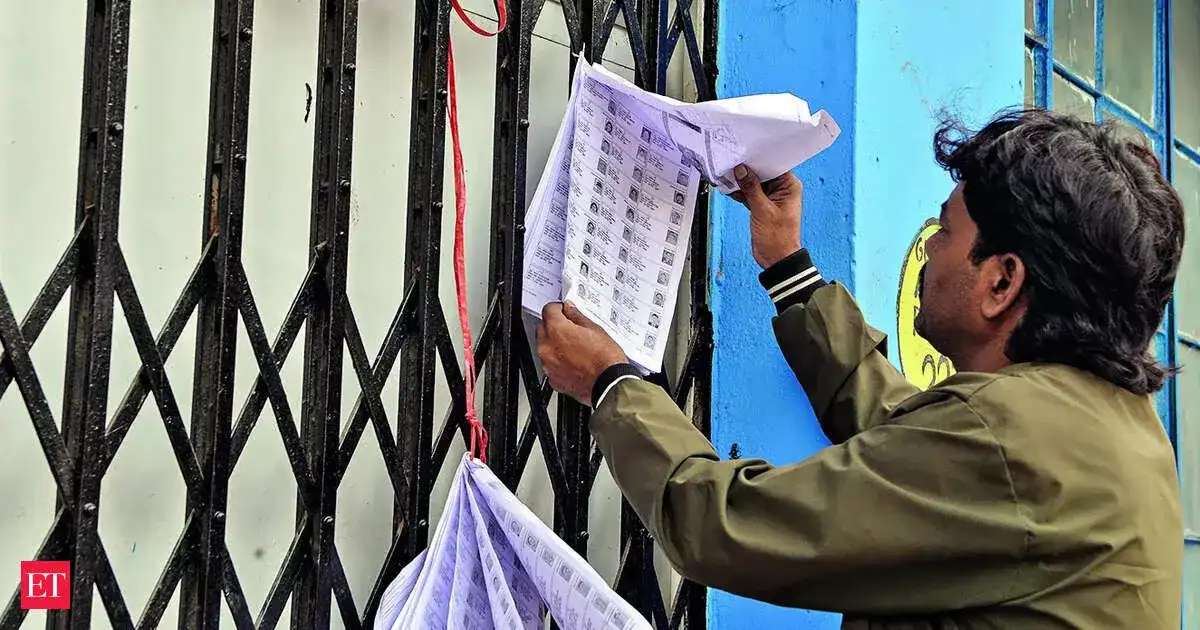
The Election Commission of India's top brass convened in West Bengal, ostensibly to review poll preparedness for the upcoming Assembly elections. This visit, however, was marked by public discontent, with the Chief Election Commissioner (CEC) facing "go back" slogans and black flags outside the Dakshineswar Kali Temple. Simultaneously, controversies simmer over alleged arbitrary deletions from electoral rolls, a point of contention that the CEC addressed in a press conference, though clarity on the fate of potentially disenfranchised voters remained elusive.

CEC Gyanesh Kumar, accompanied by Election Commissioners Sukhbir Singh Sandhu and Vivek Joshi, held a series of meetings with state officials, including Chief Secretary Nandini Chakravorty and Director General of Police Piyush Pandey. The agenda reportedly included assessing election-related arrangements, logistical preparations, and security planning. The Commission also met with political party representatives in Kolkata prior to these high-level discussions.
Read More: Taiwan Holds Nantou County Drills to Prepare for State Collapse
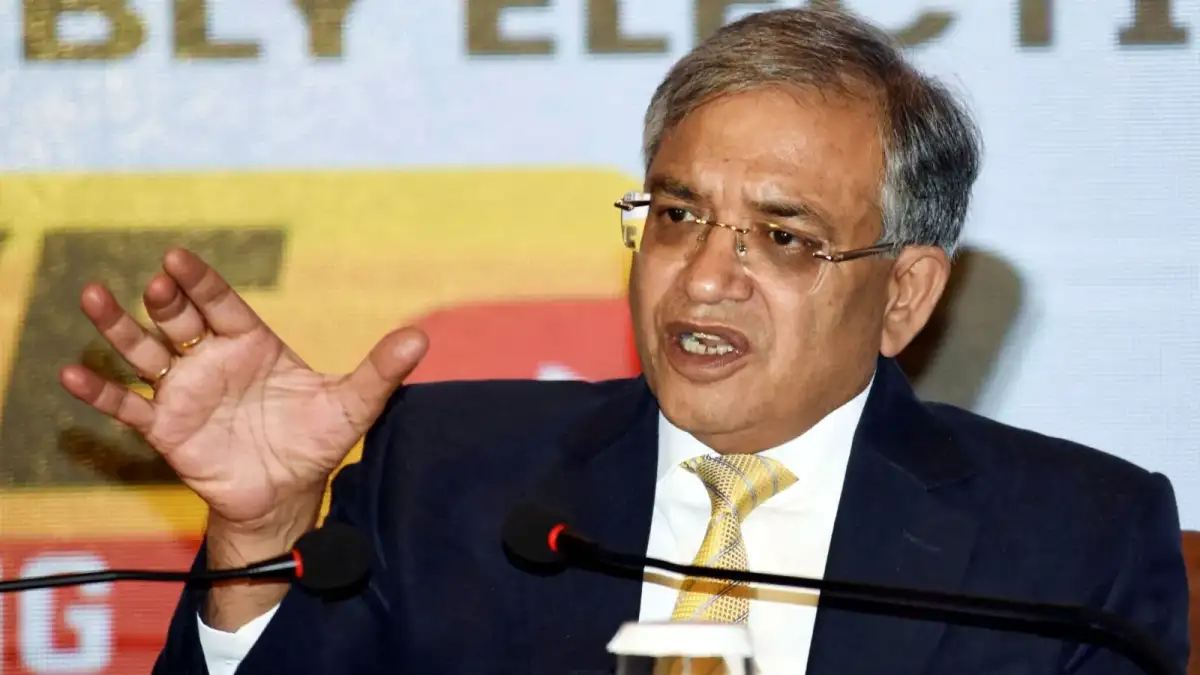
A key takeaway from CEC Kumar's press conference was the lack of concrete information regarding approximately 60 lakh electors whose eligibility is reportedly under adjudication. Despite a court order directing judicial officers to decide these cases and the Election Commission to publish supplementary lists, the CEC did not offer a clear resolution on how these individuals will be treated if elections are announced imminently.

Kumar assured that no eligible voter would be removed from electoral rolls, a statement made amidst concerns surrounding the Special Intensive Revision (SIR) exercise. He also emphasized the commission's commitment to ensuring a violence-free and intimidation-free election environment, directing law enforcement agencies to enforce the rule of law without bias. The directive extended to preventing the movement of illicit cash, liquor, narcotics, and contraband into the state.
Read More: Om Birla asks West Bengal MLAs for solutions, not just criticism
While the commission reviewed preparedness, including the status of EVMs, VVPATs, and personnel deployment, specific dates for the West Bengal Assembly elections were not disclosed. The commission's visit, spanning several days, involved extensive virtual and in-person meetings with district electoral officers, superintendents of police, and central security agency coordinators. A particular focus was placed on the optimal utilization of central forces.
The underlying tension of the visit appears to be the Election Commission's mandate to oversee elections, juxtaposed with public expressions of dissent and lingering questions about the integrity of the electoral process itself. The commission's pronouncements, while aiming for reassurance, have not entirely dispelled the clouds of uncertainty surrounding the upcoming polls.