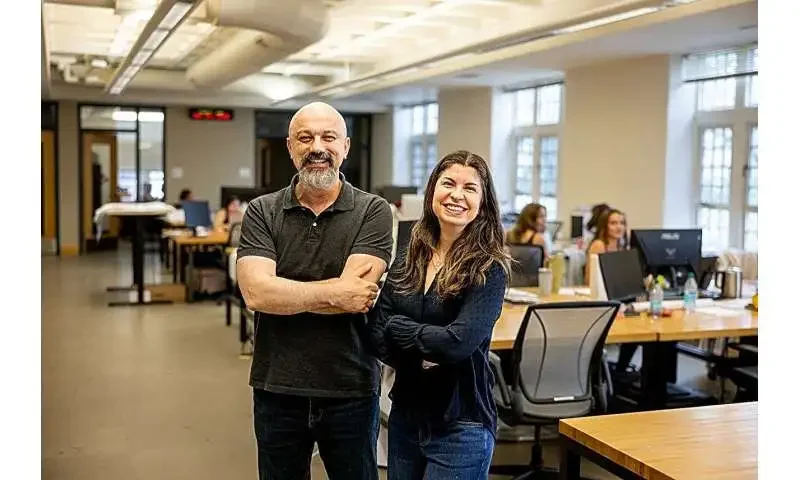
Faculty at the School of Design push students to consider the human element in interior design.
At the 'School of Design', faculty members Elif and Alp Tural are guiding the next wave of interior designers toward a practice rooted in understanding the occupants of the spaces they create. This approach moves beyond mere aesthetics, emphasizing 'empathy', 'accessibility', and 'well-being' as foundational elements for impactful design. Their instruction probes how built environments shape daily experiences, asking students to consider the subtle, and often overlooked, ways in which spaces affect individuals.
The core of the Turals' pedagogy centers on human-centered design, where the psychological and emotional states of users are as critical as the functional and structural aspects of a project. This means delving into details like 'light levels', 'color contrast', and even 'carpet patterns' to ensure spaces are not only functional but also supportive of occupants' emotional health.
Read More: Google Learn About AI Tool Released April 2026 For Simple Learning
Trauma-Informed Approaches and Visual Perception
Elif Tural's work, particularly her involvement with the 'Mount Rogers Community Services Smyth Campus Expansion'—a facility designed for individuals experiencing trauma—highlights a commitment to 'trauma-informed design'. This involves a meticulous consideration of spatial arrangements, lighting, and visual access to spaces with the express goal of mitigating stress and fostering emotional resilience.
Alp Tural, meanwhile, focuses his research on how 'visual perception' influences our experience of interior environments. His work examines how details commonly taken for granted can significantly impact a person's sense of comfort and navigability within a space. This detailed attention to sensory input underscores the complexity of creating environments that genuinely serve the people within them.
Broader Implications for the Field
The Turals' educational philosophy aligns with a growing recognition within the design community that interior design can be a potent tool for addressing broader societal issues. This perspective sees design-led innovation extending to critical areas such as 'affordable housing', 'disaster relief', and 'community development'.
Read More: Designer: Kids' Desks and Chairs Are Like 'Straitjackets'
The principles of human-centered design, as advocated by the Turals, involve – a deep dive into user needs, – the integration of psychological principles, and – a collaborative process that brings together various stakeholders. This holistic viewpoint suggests that the meticulous planning of interior spaces holds the potential to improve social equity and create more resilient, inclusive communities. The effort to embed these considerations into the training of new designers signals a shift toward a more socially conscious and empathetic future for the profession.
Background
The 'School of Design' is part of the 'College of Architecture, Arts, and Design' at Virginia Tech. The Turals, after completing their studies at 'Arizona State University', have established themselves as educators shaping the next generation of designers. Their current focus on human-centered interior design is not new to the discourse, with related concepts gaining traction since at least mid-2023, as evidenced by discussions on 'human-centered design' methodologies and their application in commercial and residential settings. The field is increasingly exploring how design can contribute to 'social impact' and foster 'well-being'.
Read More: OCDSB approves $3.5M budget deficit on April 7 2026 under oversight




:strip_icc()/101421208-320ff637159842f0bd69cda64240eb6d.jpg)