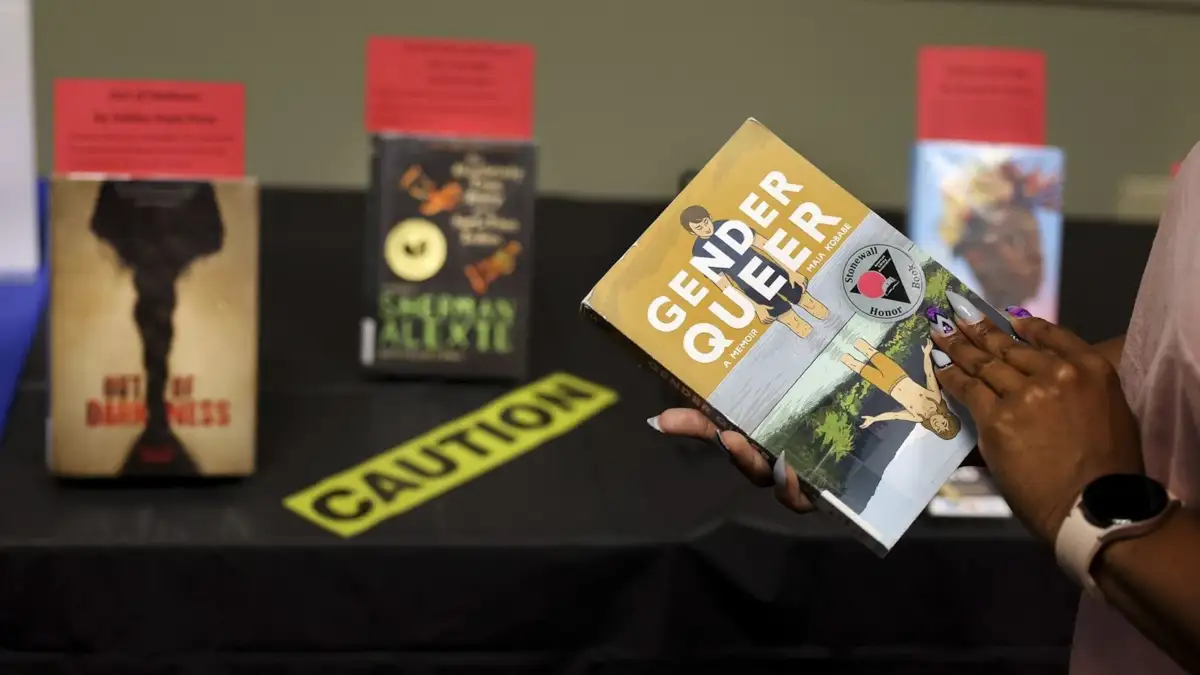
Attempts to censor reading materials in American libraries and schools have surged to record-breaking figures, with thousands of unique titles facing challenges and removals in recent years. The scope of these efforts has expanded, now impacting public libraries as significantly as school-based institutions. Reports indicate a disturbing normalization of these practices, with organized groups, rather than individual parents, spearheading a majority of the removal demands.
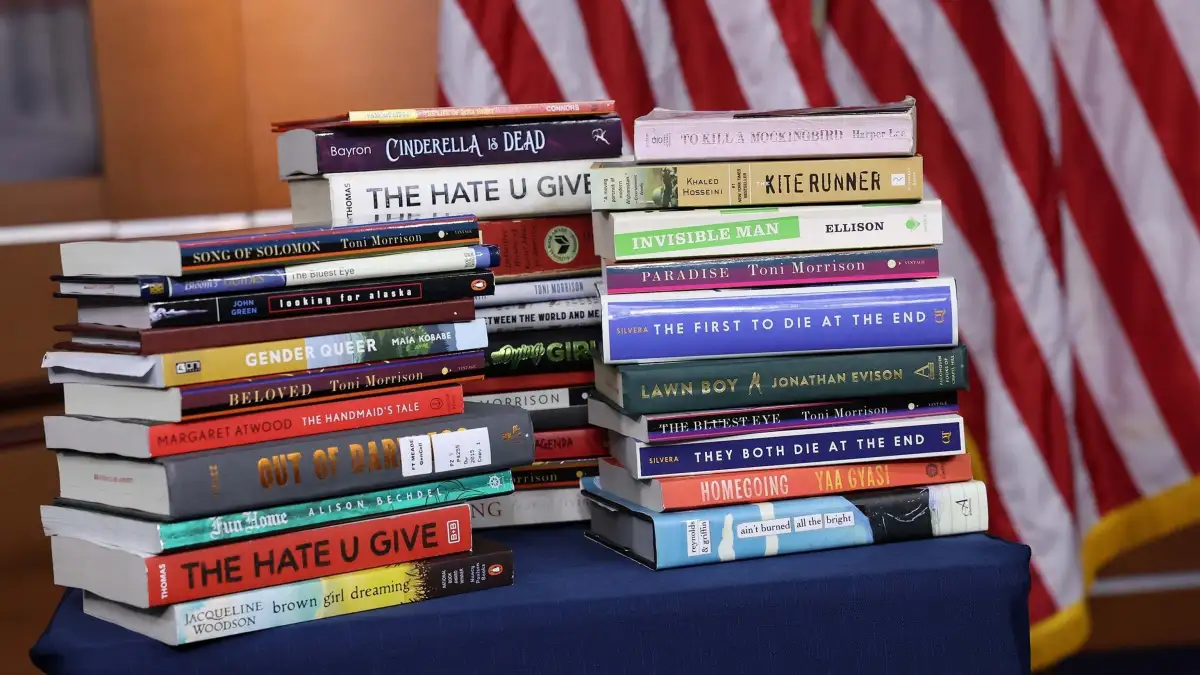
Intensified Efforts and Shifting Targets
The American Library Association (ALA) documented a substantial increase in challenges, noting 1,247 attempts to censor materials and services in 2023 alone. This surge affected 4,240 distinct titles during that period. Recent data from PEN America reveals an even steeper escalation, with 6,870 instances of book bans recorded across the 2024-2025 academic year.
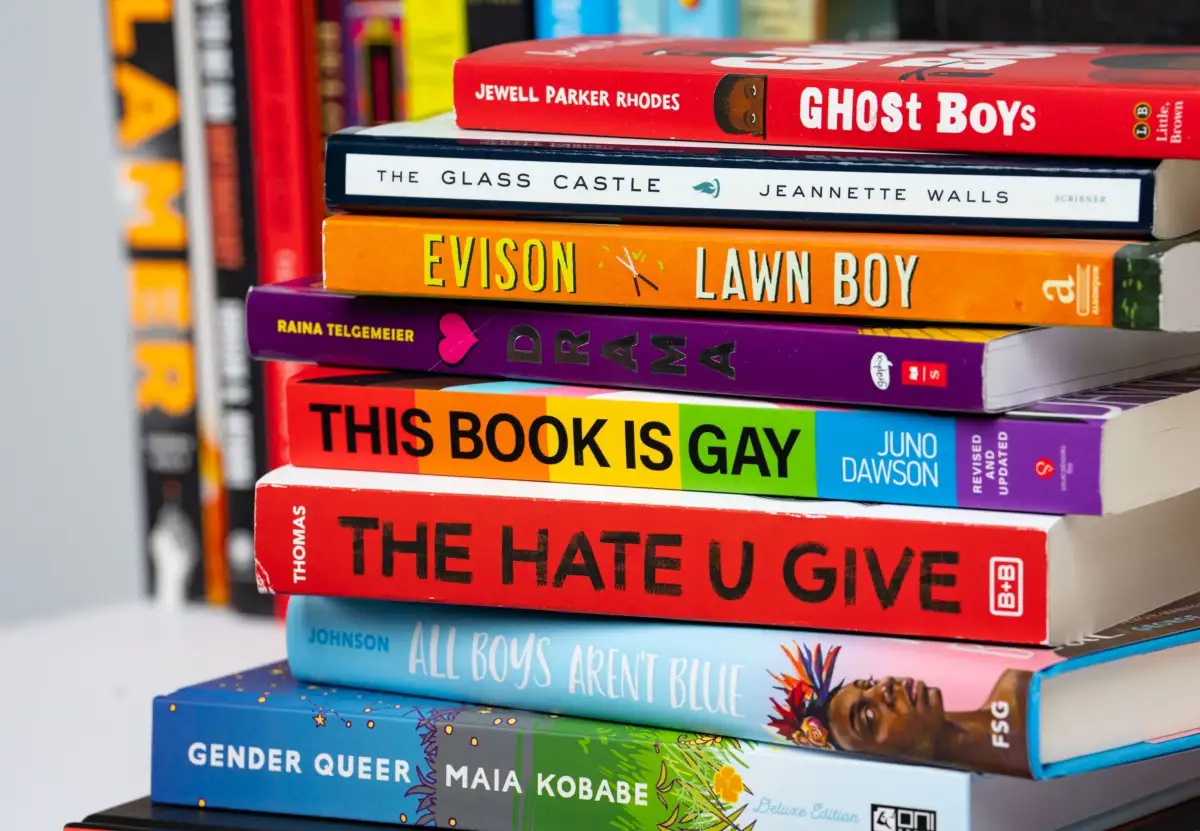
These efforts are not evenly distributed. Texas and Florida have been identified as states with the highest number of book removals. The motivations behind these challenges frequently cite:
Read More: Google Learn About AI Tool Released April 2026 For Simple Learning
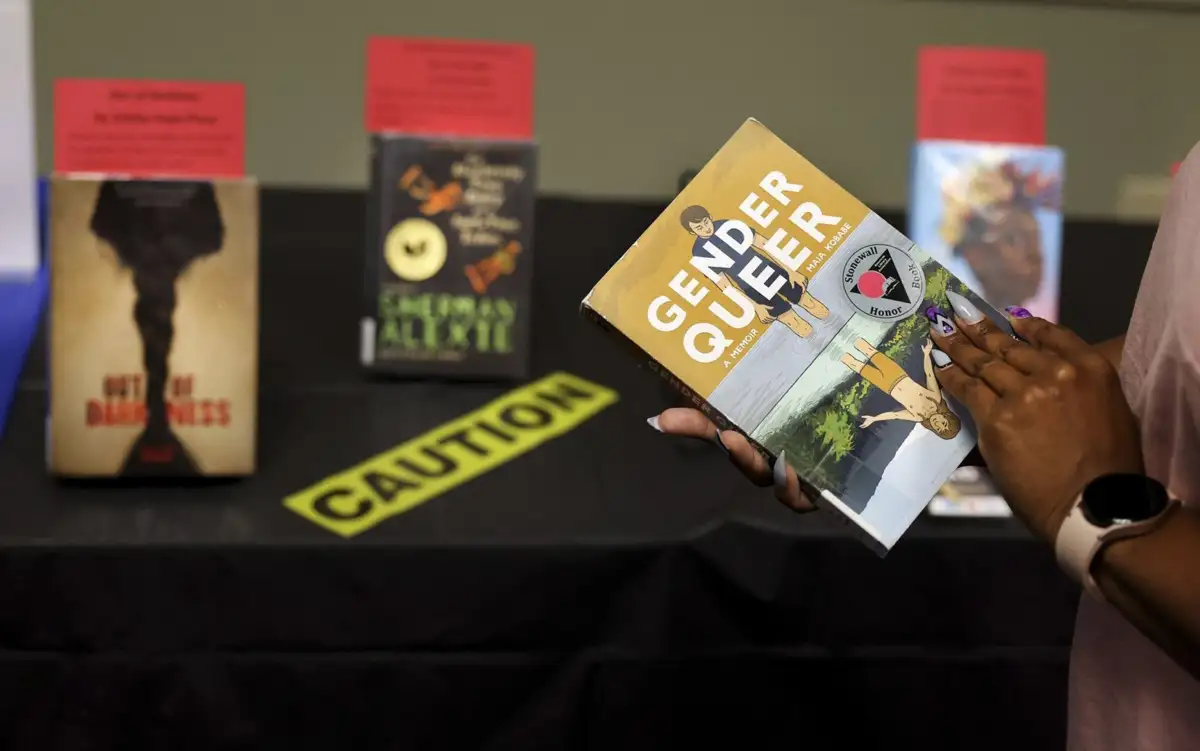
Obscenity claims
Inclusion of LGBTQ+ themes or characters
Discussions of race, racism, and social justice
Books spotlighting the experiences of LGBTQ+ individuals and people of color appear to be disproportionately targeted. Governor Kim Reynolds of Iowa, for instance, signed legislation mandating the removal of books depicting sex acts from school libraries.
The Orchestration of Censorship
Evidence suggests a significant portion of these challenges originate from organized groups, rather than spontaneous parental concerns. The ALA's 2025 report highlighted that "a large majority of attempts to ban books in the US last year came from organised groups rather than parents." Groups like Moms for Liberty are noted for filing petitions seeking injunctions to remove specific titles from school libraries.
These organizations are described as "well-funded, organised groups and movements long dedicated to curbing access to information and ideas." This structured approach can lead to demands for the censorship of multiple titles, often dozens or hundreds at a time, contributing to the dramatic surge in challenges.
Read More: New Atheism movement splits on April 7 2026 over political views
Impact and Consequences
The repercussions of this trend extend beyond the immediate removal of books. Libraries and librarians face increasing pressure, with reports of harassment, threats of violence, and legal action against professionals dedicated to protecting the right to read. Some educators and administrators, overwhelmed by these challenges, may opt to remove books preemptively or avoid acquiring potentially controversial materials.
Publishers also face a chilling effect, potentially leading them to reduce support for inclusive literature. While some challenged books are eventually returned to shelves, the sheer volume and intensity of these efforts create an environment of uncertainty and fear within educational and public library systems.
Historical Context and Measurement Challenges
While book banning has a long history in the United States, researchers have noted a sharp uptick in censorship efforts in recent years. The ALA acknowledges that its findings are based on media accounts and voluntary reporting, suggesting that the actual numbers may be even higher. The proliferation of "soft-censorship" techniques and state-sanctioned measures further complicates accurate counting. The ongoing debate is framed by some officials as a necessary measure against "indoctrination," while critics point to vague legislative language that can stifle free speech.
Read More: OCDSB approves $3.5M budget deficit on April 7 2026 under oversight