Confirmation Hearing Looms for Trump Nominee
Kevin Warsh, President Trump's choice to succeed Jerome Powell as the head of the Federal Reserve, is set to undergo a critical confirmation hearing before the Senate Banking Committee on Tuesday, April 21, 2026. This session represents a significant hurdle for Warsh's nomination, with lawmakers poised to probe his views on monetary policy, inflation, and the central bank's independence. Powell's term concludes on May 15, and he has stated he will remain on the board even after his tenure as chair ends, pending the resolution of a Justice Department investigation.

Warsh is expected to publicly commit to the strict independence of monetary policy, a key statement aimed at reassuring lawmakers and markets amidst concerns about President Trump's past calls for lower interest rates. He will also face questioning regarding his considerable personal wealth and past associations, including connections to Jeffrey Epstein. Discussions are also anticipated to center on Warsh's stance on the Federal Reserve's balance sheet and how he envisions its role in the economy.
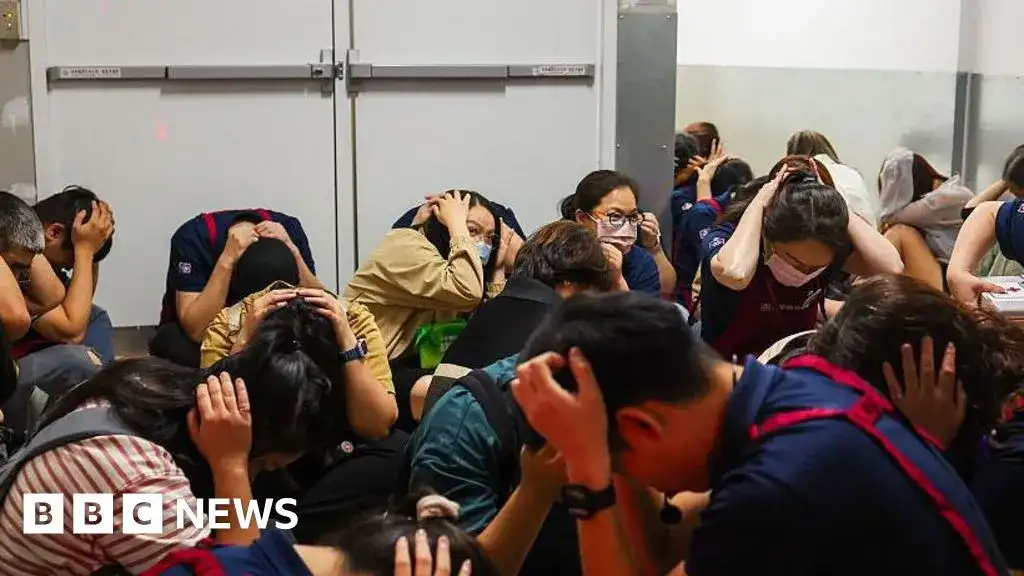
Read More: Taiwan Holds Nantou County Drills to Prepare for State Collapse
Key Issues on the Table
Lawmakers are expected to press Warsh on several fronts:

Monetary Policy Independence: A central theme will be Warsh's commitment to an independent Federal Reserve, a principle that has been tested by President Trump's public commentary on interest rates. Warsh himself has signaled he will emphasize this independence in his opening statement.
Interest Rates and Inflation: Warsh's approach to setting interest rates and his strategy for combating inflation will be under intense scrutiny. While some Fed officials signal a cautious stance on rate cuts, Warsh's past commentary, particularly his assertion that the Fed "should be lowering rates," creates a complex dynamic. Some officials, like Chicago Fed President Austan Goolsbee, have indicated there may be no case for rate reductions this year, presenting a potential divergence from Warsh's earlier views.
Federal Reserve Balance Sheet: Warsh has previously written about the potential benefits of a smaller Fed balance sheet, suggesting it could improve the lending environment for businesses and consumers. This topic is expected to be a point of discussion, as reducing the balance sheet typically correlates with higher interest rates.
Technological Integration: Warsh has advocated for the Fed to adopt new forecasting models, potentially incorporating new technologies and big data. His openness to engaging with Silicon Valley and its "tech bro" influence is also a point of interest.
Challenges and Political Undercurrents
The confirmation process is not without its challenges. Senator Thom Tillis, a Republican member of the Banking Committee, has indicated he may block all Fed nominees until a Justice Department probe into Jerome Powell and the Fed concerning renovations at the bank is resolved. Additionally, Elizabeth Warren, the ranking Democrat on the committee, has publicly urged Warsh to provide more detailed financial disclosures and has voiced opposition to proceeding with his nomination while the President is perceived to be attempting to "take over the Fed."

National Economic Council Director Kevin Hassett has expressed support for Warsh, anticipating his confirmation. However, the nominee must navigate a fine line between President Trump's stated desires for lower borrowing costs and the imperative to assure investors and the public of the Fed's autonomy in rate-setting decisions. Treasury Secretary Scott Bessent has offered some flexibility, stating he would understand if Fed officials decided to await further developments before enacting rate cuts.
Read More: Why AI Market Growth Is Slowing Down As Of April 2026
Warsh, a former Fed governor, previously vied for the top job during Trump's first term, losing out to Powell. His nomination has drawn criticism, with some viewing it as an attempt by the administration to exert greater control over the independent institution.
Background
Jerome Powell's current term as Fed Chair is scheduled to end on May 15. The Senate Banking Committee's decision to hold the confirmation hearing on April 21 underscores the timeline for Warsh's potential succession. Warsh's background includes a past association with figures like Peter Thiel during their time at Stanford University. The hearing aims to clarify his economic philosophy and his commitment to the Federal Reserve's mandate, particularly in light of evolving economic conditions and political pressures.
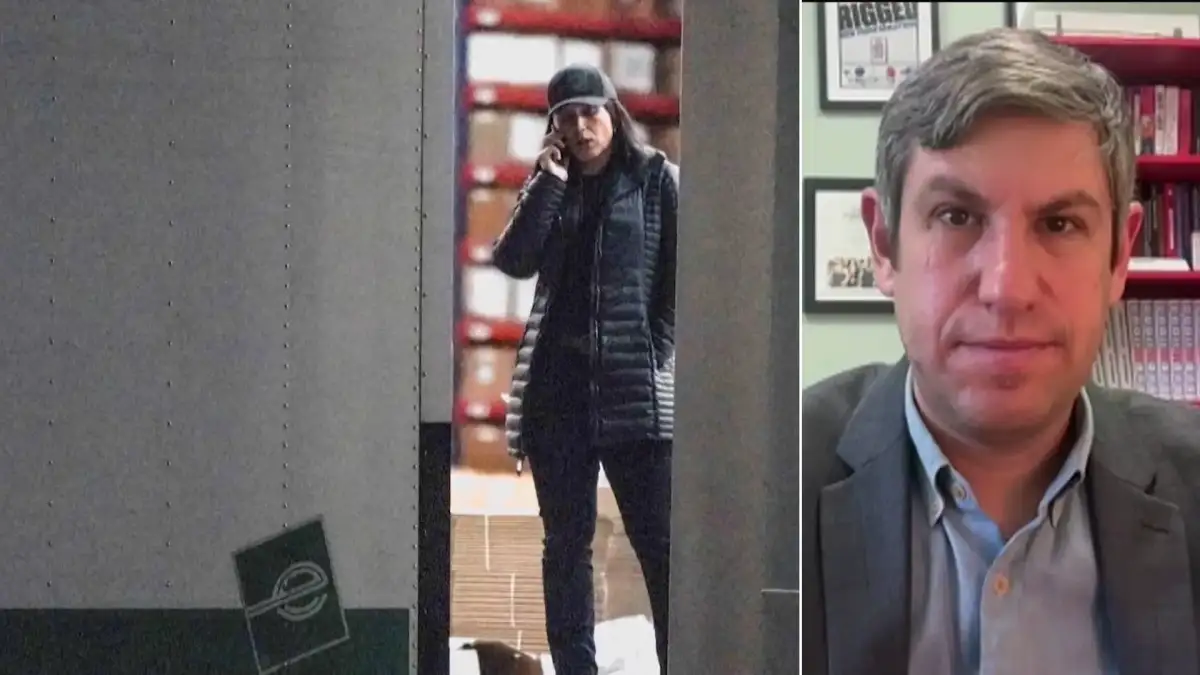
Read More: FBI Analysts Review Georgia 2020 Election Data in Fulton County