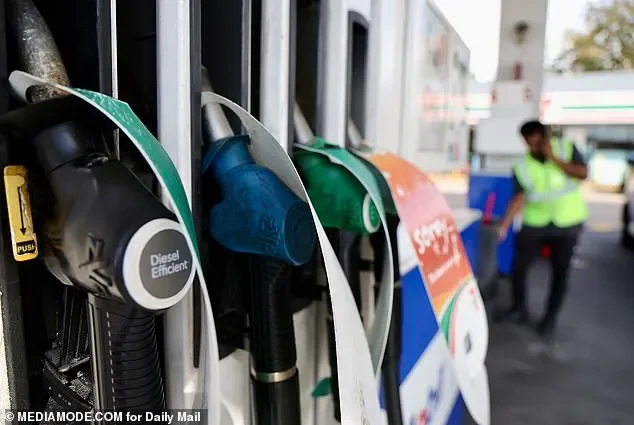
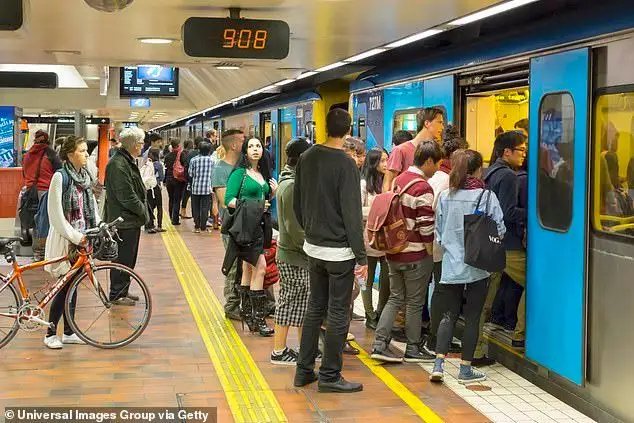
Victoria and Tasmania have rolled out free public transport services throughout April, a measure intended to alleviate household budgets and reduce demand for fuel. The initiatives come as fuel prices surge, attributed to geopolitical tensions including the war in the Middle East. While Victoria's offer is for the entirety of April, Tasmania's free travel extends until July, with potential for month-by-month extensions if the fuel crisis persists. These moves have drawn varied responses across Australia, with Queensland and Western Australia explicitly ruling out similar fare reductions. South Australia and New South Wales have also indicated they will maintain existing fare collection.
The Victorian government, through Public Transport Minister Gabrielle Williams, stated that existing infrastructure is deemed capable of handling anticipated increases in demand. However, specific booking requirements are in place for V/Line coaches outside the 'myki' network, where free tickets are necessary to secure a seat.
Read More: Elizabeth Line Helps Londoners During Tube Strike on July 6
Concerns about potential overcrowding on regional V/Line services have surfaced. Passengers have noted an increase in patronage even before the free travel period commenced, citing rising fuel costs as a driver for choosing public transport. Daniel Bowen, a spokesperson for the Public Transport Users Association, expressed worries that the free travel initiative could exacerbate existing strains on the regional network, which has reportedly struggled to meet demand.
Elsewhere in transport news, Brisbane is set to introduce smart ticketing across its bus and metro services, allowing for tap-and-go payments via credit/debit cards or smartphones, following a three-year delay. In contrast, the NSW government is considering a ban on e-bikes and e-scooters on public transport due to fire risks, while the Gold Coast Mayor, Tom Tate, is advocating for the exploration of hydrogen-powered trams.
Read More: Australia Caravaners Stop Travelling Due to High Fuel Prices Since March 2024
Separately, a search is ongoing for a missing cruise passenger, Suzanne Rees, 80, who was reported missing from the cruise ship Coral Adventurer last Saturday. This incident occurs amidst a backdrop of other maritime news, including the recent grounding of the Coral Adventurer in Papua New Guinea, where passengers were flown back to Australia.
Background
The decision by Victoria and Tasmania to offer free public transport is framed as a direct response to the escalating fuel crisis, driven in part by the war in the Middle East. Prime Minister Anthony Albanese has indicated government legislative action to aid private fuel importers.
Meanwhile, the Australian transport landscape presents a patchwork of developments. Sydney experienced a bus collision with a medical centre. News from Victoria also highlights local issues such as a dispute over a statewide mandate for four wheelie bins and the ongoing impact of a refinery fire in Geelong on fuel supply concerns. The state's political landscape is also noted, with discussions around political donations and an upcoming memoir related to a widely publicised murder case.
Read More: London Underground Strike Causes Delays for Commuters
Other reported incidents include a car striking pedestrians outside a Melbourne venue, and discussions around mental health initiatives involving public figures. In Tasmania, the Premier Jeremy Rockliff highlighted the accessibility and affordability benefits of the free public transport initiative for Tasmanians.

)