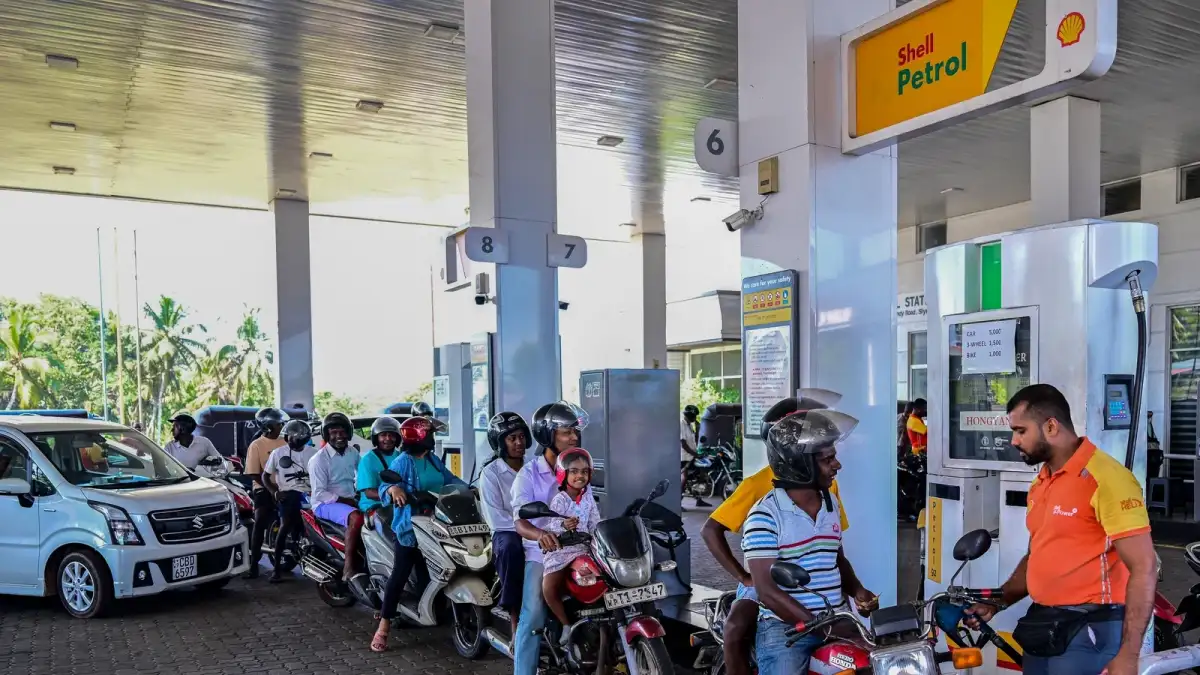
Surging fuel prices, exacerbated by international conflict, are forcing a significant portion of Australia's long-term caravanners to drastically alter their plans, with many transitioning from a nomadic lifestyle to a more stationary existence. Reports indicate an increasing number of caravaners are "setting up shop" in regional towns, showgrounds, and even rural areas, not by choice but as a direct consequence of escalating fuel costs and intermittent shortages at service stations. This shift is effectively turning a travel choice into a housing solution, prompting concerns about the emergence of unplanned "caravan graveyards."

The ripple effect of the fuel crisis extends beyond mere travel disruption, fundamentally altering how people engage with their "homes on wheels." While the idea of travelling Australia for extended periods remains appealing, the economic realities are pushing individuals and couples to re-evaluate their itineraries. Some are forced to cut trips short, while others are grounding themselves in fixed locations to mitigate the daily expense of fuel, a necessity rather than a luxury for those living in caravans.
Read More: Margaret River Named World's Best Wine Place

Adapting to the New Normal
Caravanners are adopting a range of strategies to cope with the situation. On a practical level, many are modifying their driving habits to maximise fuel efficiency. This includes reducing highway speeds, a critical adjustment when towing heavy loads. Sophisticated 'real-time fuel mapping apps' are also becoming indispensable tools for navigating the unpredictable fuel landscape, helping travellers locate available and, where possible, more affordable fuel.

Broader Ramifications and Government Responses
The domestic impact in Australia is mirrored globally, with nations implementing various measures. Australia itself has seen a temporary cut to petrol taxes, a move by Prime Minister Anthony Albanese aimed at easing pressure on households and businesses facing surging global fuel prices. This action is part of a multi-stage state plan designed to maintain mobility while preparing for potential escalations. However, warnings persist from energy experts, including figures from the International Energy Agency, suggesting that demand reduction might become unavoidable if global supply issues persist.
Read More: Victoria and Tasmania Offer Free Public Transport in April

International responses have ranged from outright car bans on alternate days, as seen in Myanmar, to price caps that proved fiscally unsustainable, as in Thailand. Victoria, in Australia, has introduced free public transport as a measure to combat rising fuel prices.
The Underlying Cause
The current fuel challenges are intrinsically linked to ongoing global conflict, specifically mentioning the situation involving Iran. This has triggered rapid escalation in international energy markets, leaving Australia, which is heavily reliant on imported fuel, particularly vulnerable. Concerns about a potential "lockdown 2" scenario have been amplified, with global emergency guidelines being released in response to the volatile energy situation.



)