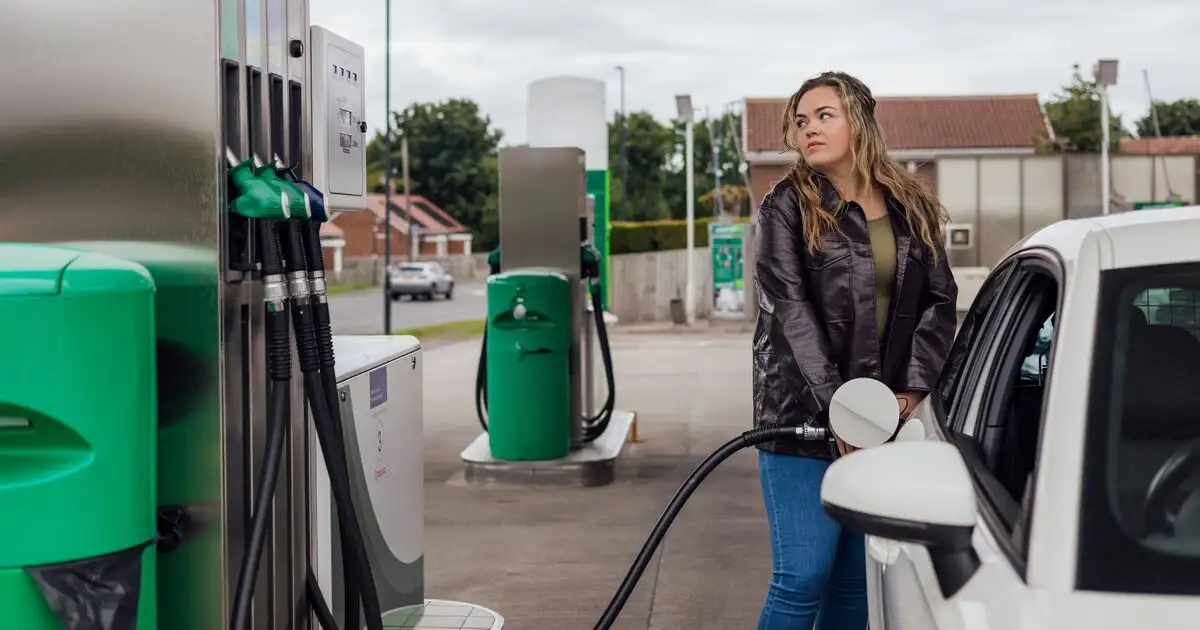
UK petrol and diesel prices have reportedly stopped their ascent after a relentless 43-day streak of increases, according to motoring organisation the RAC. While the immediate surge has abated, pump costs remain substantially higher than pre-conflict levels. Analysts suggest a reduction of several pence per litre could be imminent over the coming weeks.
Wholesale Costs Easing, But Geopolitics Looms
The current stabilisation is linked to a notable dip in wholesale fuel costs. Dated Brent crude has recently hovered below 100 US dollars a barrel, a figure seen as a key indicator for potential price decreases at the pump. This easing of wholesale prices, a primary driver of pump costs, is why forecourt prices are expected to follow suit.

A Fragile Calm Amidst Lingering Tensions
This anticipated relief for drivers arrives as the Middle East conflict, which began on February 28th, shows signs of a temporary truce. However, the stability remains precarious. Reports indicate that a ceasefire, particularly one involving figures like Donald Trump and Iran, has led to an initial drop in oil prices, but this has proven volatile. The Strait of Hormuz, a crucial oil transit route, has been a focal point of geopolitical tension, its accessibility directly impacting global oil movements and, consequently, fuel prices.
Read More: Elizabeth Line Helps Londoners During Tube Strike on July 6

The Price of Conflict: A Stark Increase
Since the conflict's commencement, drivers have already experienced significant hikes:
Petrol has seen an average increase of 25 pence per litre.
Diesel has risen by approximately 49 pence per litre.
This has brought average prices to roughly 158.3p per litre for petrol and 191.5p per litre for diesel by recent accounts. Some independent garages, through measures like in-house transport and direct refinery purchases, have managed to maintain lower prices, with one site recorded at 147.6p per litre for unleaded on April 4th, contrasting with higher national averages.
Underlying Pressures and Potential Disruption
Beyond immediate geopolitical shifts, the high cost of fuel is a significant concern for various sectors. Reports suggest potential for UK fuel-related protests, mirroring actions seen in Ireland, driven by a combination of fuel expenses and a lack of government financial support. Furthermore, the agricultural sector is also grappling with sharply increased fertiliser prices, compounding economic pressures. The government is reportedly under pressure to reconsider planned increases to fuel duty and has issued warnings to petrol retailers regarding fair pricing practices.
Read More: Tess Daly wears wedding ring in London after split from Vernon Kay