Losses in US wetlands have directly fueled a staggering $10 billion surge in residential flood insurance claim payments, according to a recent study. This stark financial reality underscores the critical, yet often disregarded, role these watery landscapes play in mitigating property damage.
The escalating cost of flood insurance claims, now exceeding $10 billion nationally, is directly linked to the accelerated degradation and disappearance of wetland ecosystems across the United States.
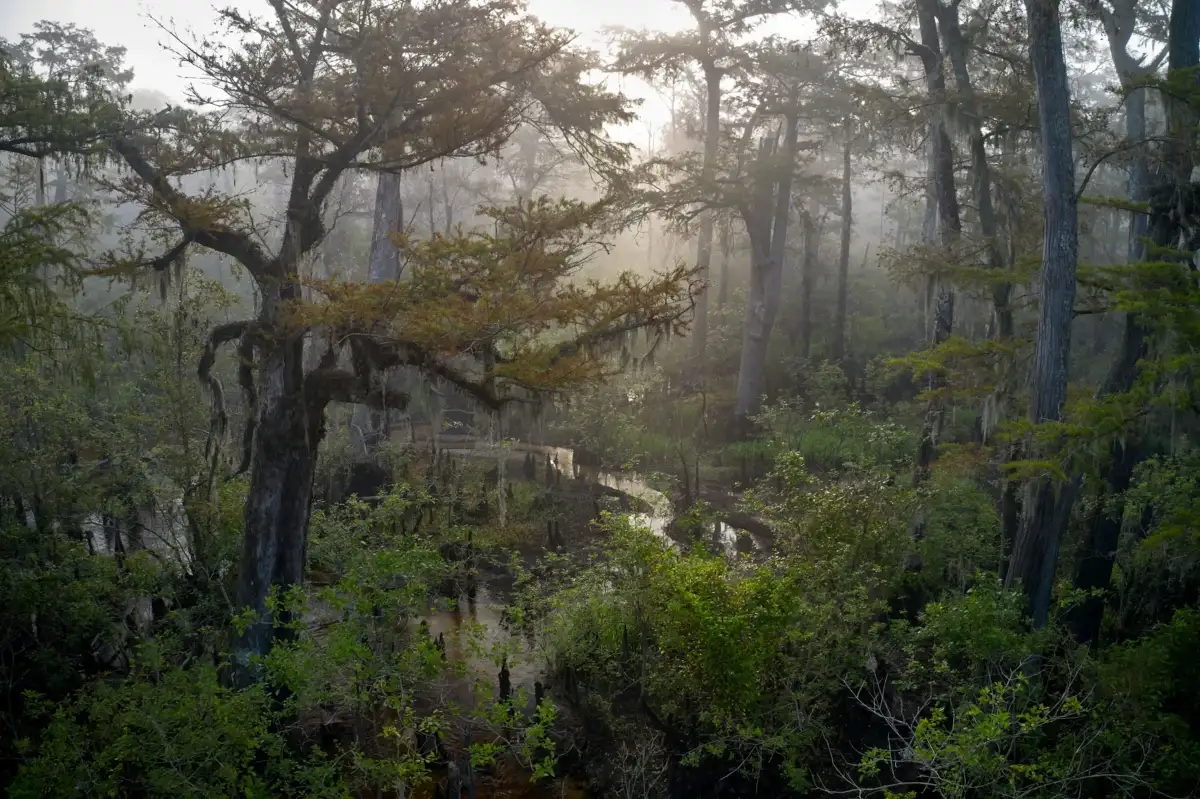
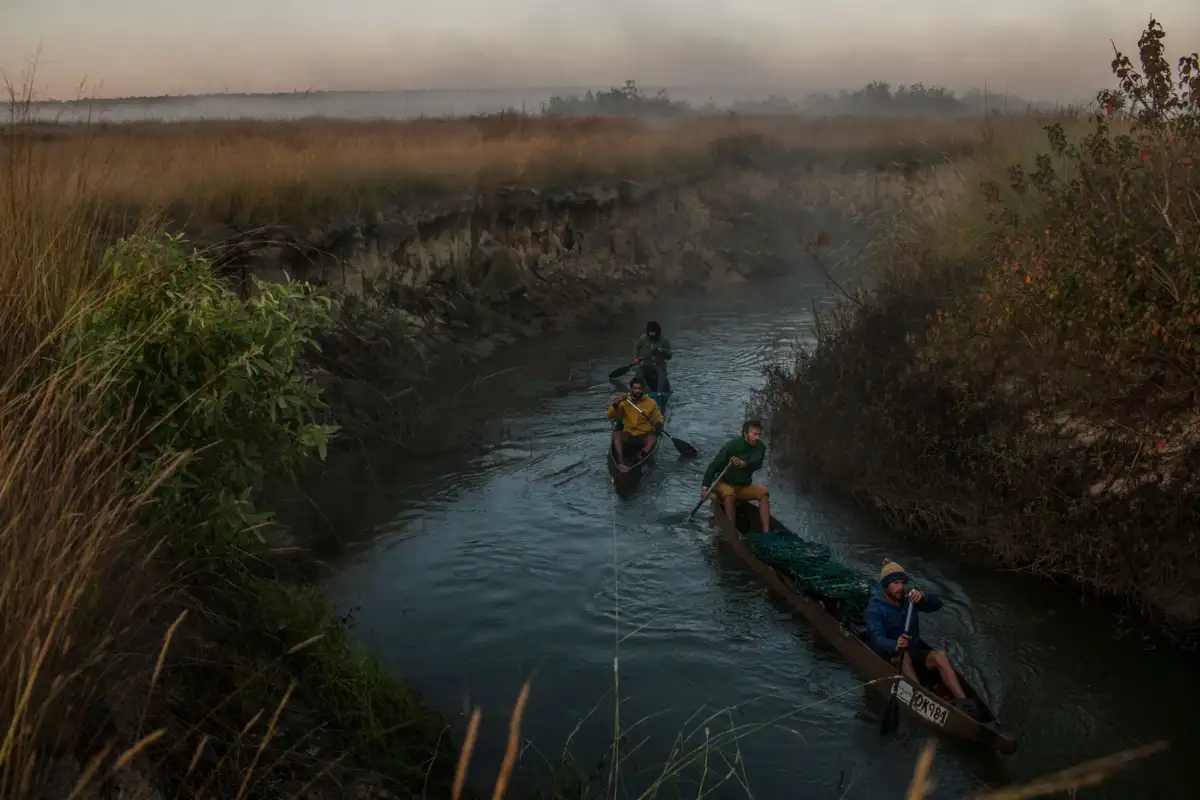
These areas, defined broadly as bodies of water – be they marsh, fen, peatland, or static or flowing water – whether natural or artificial, permanent or temporary, act as crucial buffers against extreme weather events. Their disappearance removes a natural defense mechanism, leaving properties more exposed to inundation.
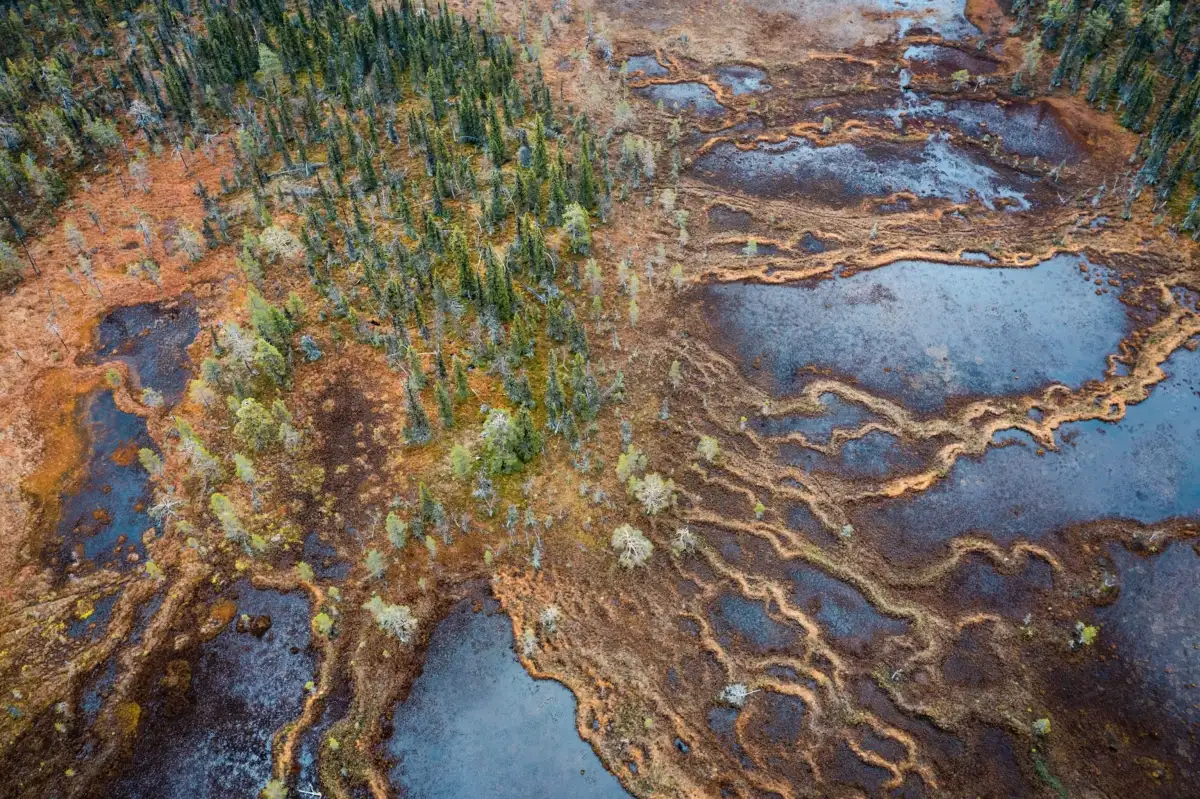
The Cost of Neglect
The study's findings point to a direct correlation between shrinking wetlands and increased payouts for damaged homes. Insurance companies, it appears, are shouldering a substantial financial burden that, in essence, represents the cost of lost natural infrastructure.
Read More: Amazon Land Use Changes Cause Disease Clusters in Brazil
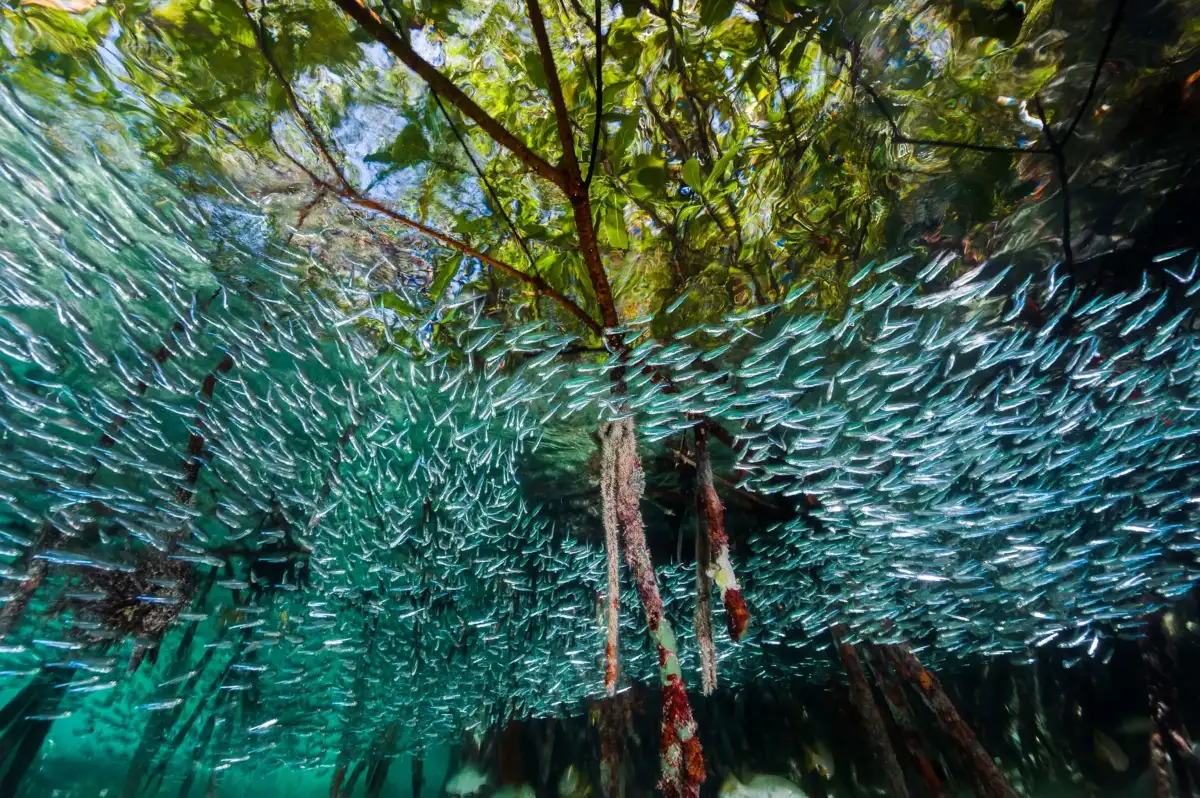
Coastal or tidal wetlands, situated along the Atlantic, Pacific, Alaskan, and Gulf coasts, are particularly vulnerable.
Inland or non-tidal wetlands also provide essential flood protection, though their characteristics may differ.
The complexity of these ecosystems, often a mix of fresh and saltwater known as brackish water, contributes to their unique protective capabilities.
A Disappearing Barrier
Wetlands, which encompass areas like grassy salt marshes and mangrove forests, perform vital ecological functions beyond just flood control. They are crucial for:
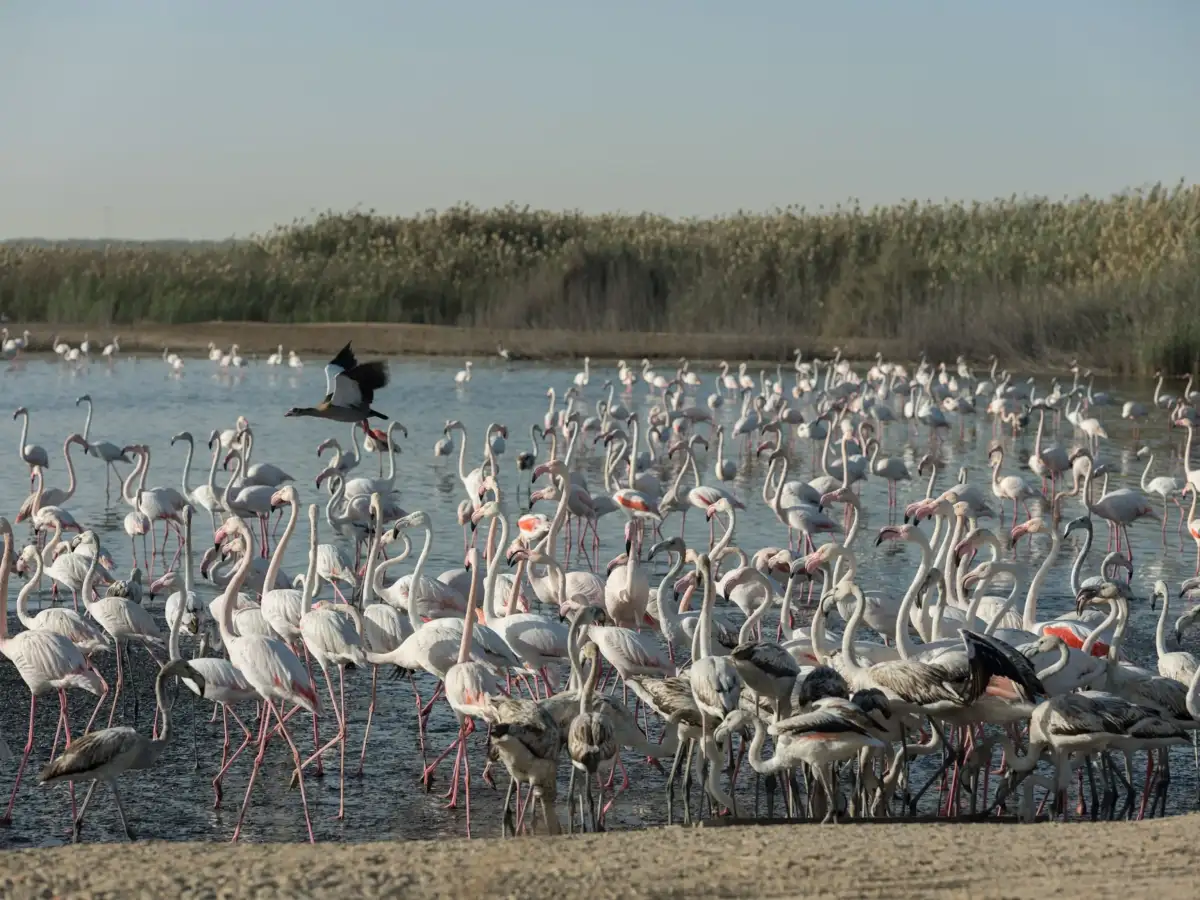
Providing habitats for a diverse range of species, many of which are integral to the food chain, including commercially important fish populations.
Filtering and purifying freshwater sources.
Contributing to the fight against climate change.
Historically, the draining of wetlands was a common practice, driven by development and agriculture. However, this historical approach has evidently led to present-day financial consequences.
Definitions and Divisions
Wetlands are broadly categorized into two main types:
Coastal/Tidal Wetlands: Found along the nation's coastlines, these areas experience fluctuating water levels due to tidal action and can be characterized by the presence of salt water.
Inland/Non-Tidal Wetlands: Located away from coastal areas, these wetlands also play a significant role in water management and ecological balance.
The ecological conditions within wetlands, such as salinity and water levels, create unique environments that support specialized plant and animal life, much of which is now imperiled by their destruction. Efforts to mitigate the damage, including restrictions on industrial and agricultural runoff, have been implemented, but the study suggests these measures have not been enough to offset the overall impact of wetland loss on flood insurance liabilities.