The United States is experiencing a widespread increase in viral infections, with particular attention on the human metapneumovirus (HMPV), a pathogen for which there is neither a specific treatment nor a vaccine. While officials note that death from HMPV is not common, its proliferation across all regions coincides with a broader uptick in respiratory illnesses, including influenza.
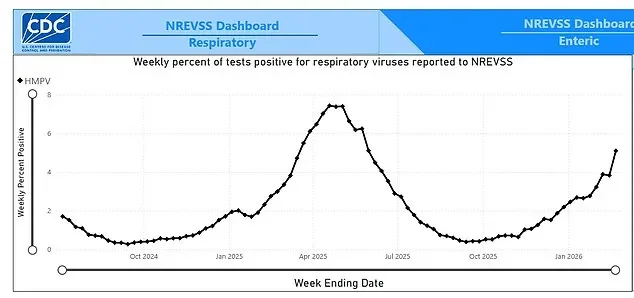
Surveillance data indicates that HMPV, typically peaking in spring, is currently surging. Symptoms manifest within three to six days of exposure and include cough, nasal congestion, fever, and shortness of breath. The virus can impact both the upper and lower respiratory tracts. Recent reports highlight California and New Jersey as among the states experiencing HMPV cases.
Beyond HMPV, other viral threats are noted. A new variant of Influenza A, specifically the H3N2 'Subclade K,' is contributing to a potentially more severe flu season, particularly impacting children who have not received vaccinations. The effectiveness of current flu shots against this mutated strain remains a point of concern.
Read More: Rob James Claims Hair Loss Reversed With Daily Routine, Others Use Minoxidil

In parallel, a dangerous, drug-resistant fungus, Candida auris, continues its rapid spread through U.S. hospitals. This pathogen can survive on surfaces and skin, facilitating its transmission. While it does not pose a threat to individuals with robust immune systems, its growing resistance to existing treatments presents a significant challenge in healthcare settings.
The Centers for Disease Control and Prevention (CDC) is actively monitoring these developments. However, the overarching narrative is one of vulnerability, with existing medical frameworks struggling to address a diverse array of emerging and resurgent infectious agents. The lack of definitive cures and preventative measures for some of these viruses underscores a systemic fragility in public health preparedness.
The current situation points to a complex epidemiological landscape. Reports from late 2024 and early 2026 indicate significant viral activity, including pediatric flu deaths. While information on adenovirus remains limited, the broader context suggests a nation grappling with multiple infectious agents simultaneously. The growing antibiotic crisis further exacerbates the challenge, threatening to render common bacterial infections deadly.
Read More: Venezuelan Man Charged with Assaulting US Officers in Nebraska on June 18