The Grocery Divide: Where Your Dollar Stretches Varies Dramatically
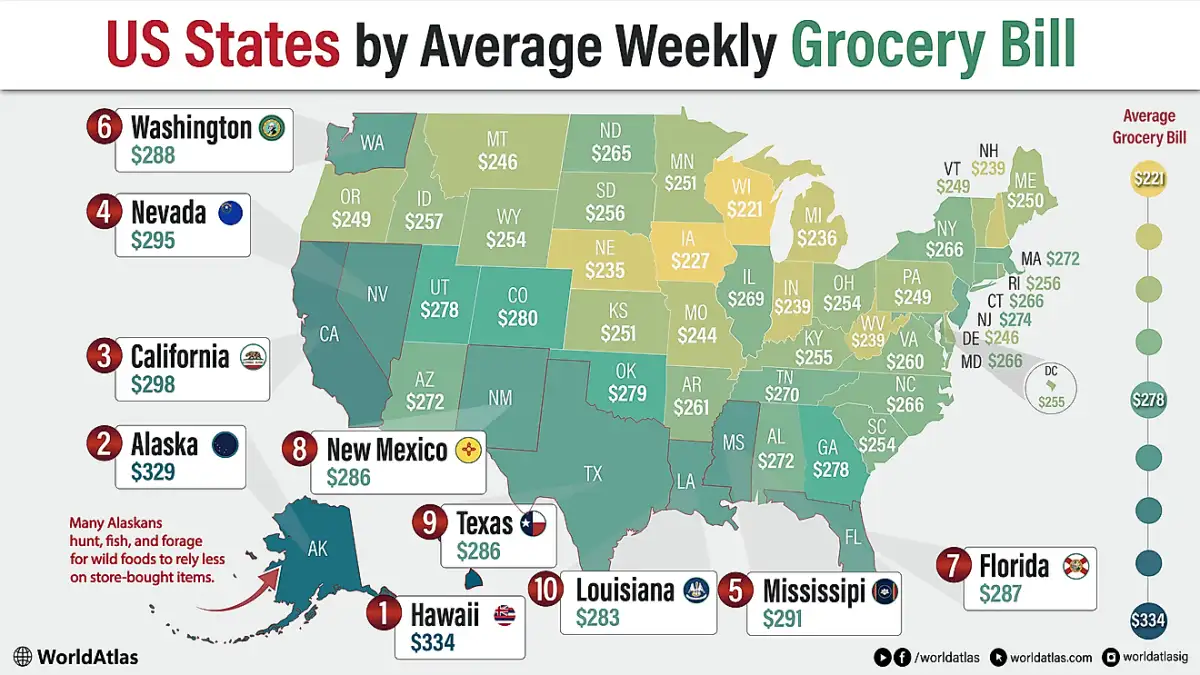
The purchasing power of $100 for groceries is not uniform across the United States, with Arkansas, Mississippi, and North Dakota emerging as states where this budget extends furthest, while Hawaii and Alaska present the starkest financial challenges for shoppers. Recent data, drawing from cost-of-living indexes and Bureau of Labor Statistics figures, indicates that 24 states allow a $100 grocery budget to cover needs, a contrast to the nationwide average. This disparity highlights the uneven economic realities faced by consumers depending on their geographic location.
Regional Price Stratification and Contributing Factors
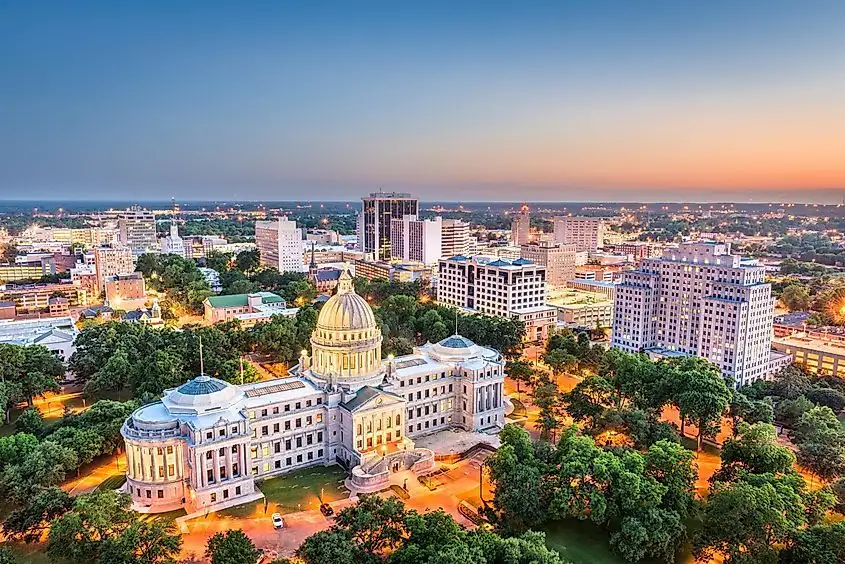
High grocery bills in states like Mississippi are linked to a limited food distribution infrastructure, making prices particularly vulnerable to fuel costs and supply-chain disruptions. Conversely, states with robust agricultural sectors and proximity to major urban centers, such as New Hampshire, may offer more budget-friendly options, demonstrating a complex interplay between logistics, demand, and local economic conditions.
Read More: Paella Recipe Updates: Bomba Rice and No Stir Rule
The impact of these price differences is not merely academic. It directly influences household budgets and the ability of individuals to meet nutritional needs. As the economy shifts, adaptability and a focus on value-driven consumption are presented as key strategies for maintaining living standards amidst ongoing inflationary pressures.

Broader State Rankings and Economic Context
The economic health and operational efficiency of a state appear to influence grocery costs, though the relationship is not always direct. For instance, densely populated states like California maintain grocery prices near the national average, suggesting a balance between high demand and sophisticated supply chains, alongside market competition.

Performance Across Various Metrics
When examining states across a broader spectrum of fiscal and social indicators, certain patterns emerge. North Dakota, noted for its infrastructure, also ranks highly in areas such as fiscal stability and opportunity, potentially contributing to its affordability for grocery budgets. In contrast, states grappling with fiscal challenges or those with remote locations and higher logistical costs, like Hawaii and Alaska, consistently appear at the lower end of affordability indices.
Read More: US 250th Anniversary on July 7, 2026, sees 20% not celebrating
These variations underscore the complex web of factors influencing daily life, from the cost of essential goods to broader economic stability.
Background: The Shifting Terrain of Food Costs
Grocery prices have been a subject of scrutiny, with recent reports detailing significant disparities across states. Weekly grocery bills can vary by hundreds of dollars, with island states like Hawaii and Alaska facing the highest expenditures. Factors contributing to these elevated costs often include transportation expenses and limited access to diverse supply chains. Understanding these geographical economic divides is crucial for grasping the varied economic realities within the United States.
:max_bytes(150000):strip_icc()/image-460-7bdc9b0a055246f0b95bfb1b800773ec.jpg)