The United States has intensified its call for Iran to agree to a deal concerning its nuclear program, simultaneously increasing its military presence in the region. This diplomatic push occurs against a backdrop of renewed threats of military action and ongoing, albeit indirect, negotiations between the two nations. The situation underscores a complex interplay between diplomacy and potential military confrontation, with significant implications for regional stability.

Context and Timeline of Events
Recent weeks have seen a marked increase in diplomatic and military activities concerning Iran's nuclear program.
Summer 2025: U.S. military forces conducted strikes on three Iranian nuclear facilities. This event was preceded by Iran increasing its uranium enrichment activities following the U.S. withdrawal from a previous nuclear agreement.
Tuesday (Recent): Iran and the U.S. held a second round of negotiations, mediated by Oman, in Geneva. The timing of these talks coincided with Iran's Supreme Leader, Ayatollah Ali Khamenei, delivering a speech that appeared dismissive of U.S. military threats.
Wednesday (Recent): White House Press Secretary Karoline Leavitt reiterated the U.S. desire for a diplomatic resolution while addressing reporters. Media reports also surfaced indicating President Donald Trump had discussed potential attack options with advisors, with some reports suggesting a strike could occur as early as Saturday.
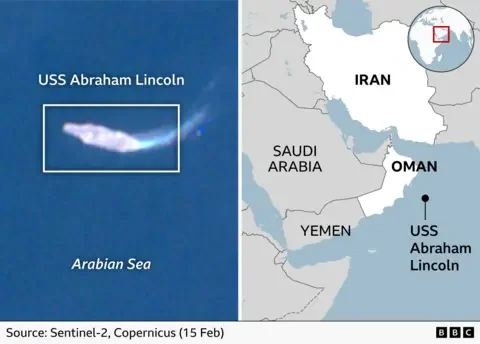
Ongoing: The U.S. has been increasing its military assets, including a second battleship, in waters near Iran. Satellite imagery indicates Iran has been fortifying sensitive military sites.
Diplomatic Efforts and Sticking Points
The core of the current negotiations revolves around Iran's nuclear program, with differing viewpoints on enrichment and the terms of a potential agreement.
U.S. Position: The White House has stated it has sent Iran a "detailed and acceptable proposal" for a nuclear deal. Press Secretary Karoline Leavitt has emphasized that diplomacy remains President Trump’s preferred path. President Trump has also indicated he believes Iran "wants to make a deal." However, U.S. officials, including Trump, have consistently stated that Iran must entirely give up its nuclear enrichment capabilities.
Iranian Position: Iranian officials insist on their right to enrich uranium for a civilian nuclear program. Iran’s Foreign Minister stated that a deal can be reached if the U.S. shows "goodwill." The Iranian economy is reportedly under significant strain from U.S. sanctions, and Tehran demands their lifting.
Key Disagreements:
Nuclear Enrichment: The U.S. demands Iran cease all enrichment, a stance Iran rejects.
Scope of a Deal: Israel, a close U.S. ally, insists any new deal must include restrictions on Iran's ballistic missiles and its funding of regional proxy forces.
Negotiation Venue: Talks have been held indirectly, with Oman acting as a mediator.
Military Posturing and Rhetoric
Alongside diplomatic efforts, there has been a significant escalation in military presence and rhetorical threats.
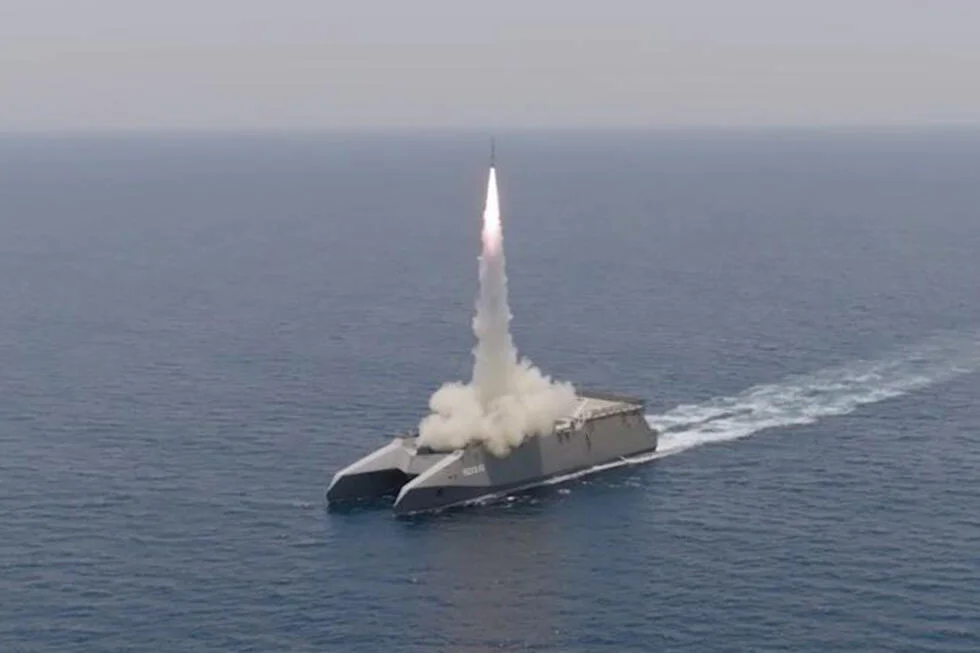
U.S. Military Deployment: The U.S. has moved a second battleship into the region, augmenting its naval and air assets. This buildup underscores the U.S. preparation for potential military contingencies.
Iranian Response: Iran’s Supreme Leader dismissed U.S. military threats, stating, "A warship is certainly a dangerous weapon, but even more dangerous is the weapon capable of sinking it."
President Trump's Statements: President Trump has publicly suggested the possibility of striking Iran, posting on his Truth Social site and discussing attack options with advisors. He described Iran as "typically a very tough negotiator."
Regional Dynamics and International Involvement
The negotiations and tensions involve other regional and international actors, influencing the overall dynamic.
Read More: US Sends Most Warplanes to Middle East Since 2003 Iraq War for Iran Response
Israel's Stance: Israel maintains that Iran should have no domestic nuclear enrichment capabilities. Prime Minister Benjamin Netanyahu has been firm that any deal must address Iran's ballistic missiles and proxy activities.
Oman's Mediation: Oman has played a crucial role in facilitating indirect talks between the U.S. and Iran.
China and Russia: These nations have held consultations with Iran, with Russia welcoming the planned talks between Iran and the U.S.
Expert and Official Perspectives
Statements from White House officials and Iranian leadership highlight the complex, dual-track approach.
White House Press Secretary Karoline Leavitt: "Trump was still hoping for a diplomatic resolution over Tehran's nuclear programme."
White House Press Secretary Karoline Leavitt: Emphasizing diplomacy remains President Donald Trump’s preferred path.
Iranian Supreme Leader Ayatollah Ali Khamenei: "A warship is certainly a dangerous weapon, but even more dangerous is the weapon capable of sinking it."
President Donald Trump: "Iran was 'typically a very tough negotiator,' but said he believes the regime wants to make a deal."
Conclusion and Emerging Picture
The current situation presents a delicate balance. The U.S. is publicly urging Iran towards a diplomatic resolution, offering what it describes as an "acceptable proposal." This is complemented by a significant increase in U.S. military assets in the region, a move interpreted by some as a tactic to exert pressure. Iran, while engaging in mediated talks, maintains its stance on enrichment rights and appears defiant in the face of military threats. The ongoing U.S. military movements and reports of discussions about attack options, alongside Iran's fortification of its sites and strong rhetoric, suggest that while diplomacy is on the table, the possibility of military action remains a significant, albeit unconfirmed, element of the strategy. The outcome hinges on whether Iran will concede on its enrichment program and whether the U.S. can present terms acceptable to both its own security concerns and Iran's demands, while avoiding escalation.
Read More: US Urges Iran Nuclear Deal Amid Military Moves and Threats
Sources Used:
Context: This article provides details on the U.S. military's increased presence, the White House's stance on a deal, and reports of discussions regarding potential military strikes.
France24: https://www.france24.com/en/middle-east/20260218-white-house-urges-iran-to-strike-deal-as-trump-renews-military-threat
Context: This article highlights the White House's urging for a deal, President Trump's renewed military threats, and the role of Oman-mediated negotiations alongside the U.S. military buildup.
CBS News: https://www.cbsnews.com/news/us-iran-talks-geneva-trump-military-threat/
Context: This article focuses on the progress of talks in Geneva under the shadow of Trump's threats, Iran's insistence on enrichment rights, and Israel's demands for new deal terms.
The English Chronicle: https://theenglishchronicle.com/News/13200/
Context: This article reiterates the White House's emphasis on diplomacy, the ongoing negotiations, and the significant U.S. military movements in the region.
Times of Israel: https://www.timesofisrael.com/white-house-says-us-has-sent-iran-detailed-and-acceptable-proposal-for-nuke-deal/
Context: This article discusses the U.S. proposal, potential Israeli reactions, and Iran's rejection of demands to give up enrichment facilities.
Gulf News: https://gulfnews.com/world/mena/iran-says-deal-can-be-reached-if-us-shows-goodwill-2-1.500087014
Context: This article covers Iran's conditions for reaching a deal, including the necessity of U.S. goodwill, and the context of surprise talks announced by Trump after meeting with the Israeli Prime Minister.
US News: https://www.usnews.com/news/us/articles/2025-06-03/analysis-an-outline-is-emerging-of-the-us-offer-to-iran-in-their-high-stakes-nuclear-negotiations
Context: This analysis piece provides insights into the emerging U.S. offer to Iran and the uncertainty surrounding a potential deal, as well as the potential economic impact on Iran.