The Canadian government has announced a substantial financial commitment to support the establishment of the first Inuit-led university and address pressing needs within Inuit communities. This package includes $50 million for the university and over $170 million allocated to programs aimed at eradicating tuberculosis, improving food security, and enhancing child and family support services.

Background: A Vision for Inuit Education and Well-being
The concept of an Inuit-led university has been a long-standing aspiration for Inuit leaders. Its primary goal is to remove barriers that prevent many Inuit from pursuing post-secondary education. These barriers often include vast cultural differences, a lack of tailored support systems, and the necessity of relocating to southern urban centers, which can expose students to alien environments and sometimes hostile encounters.

Inuit Tapiriit Kanatami (ITK), the national representative body for Inuit in Canada, has been a key advocate for this initiative.
The proposed university aims to provide degrees that directly benefit Inuit communities and foster a sense of cultural belonging and academic inclusion.
Arviat, Nunavut, has been selected as the primary campus location, situating the university within the homeland of Inuit in Canada. This choice is seen as a significant step in asserting Inuit jurisdiction in the Arctic.
The university's curriculum is envisioned to incorporate six faculties, reflecting Inuit values and culture.
Government Investment and Program Details
The recent announcement from Ottawa brings this vision closer to reality with a significant financial pledge.
Read More: DHS Funding Bill Signed, But ICE and CBP Face More Delays
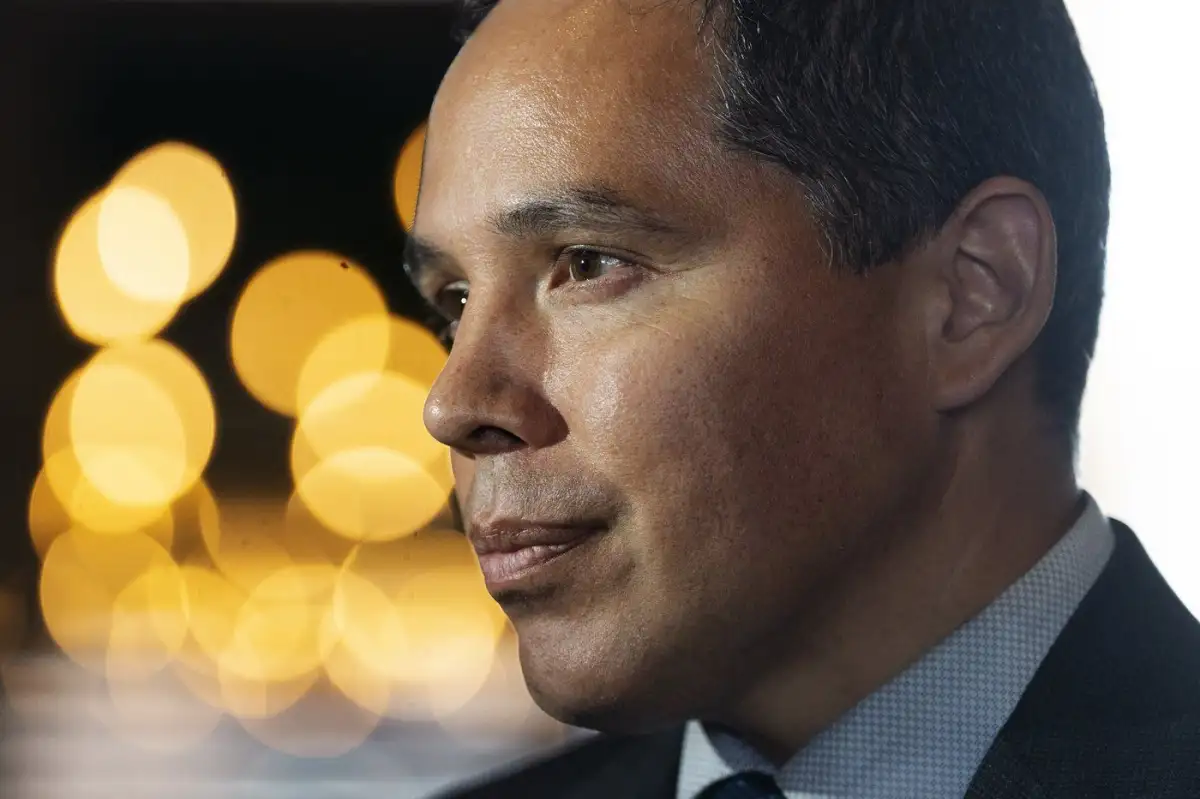
$50 million is designated for the creation of the Inuit-led university.
$115 million is allocated to the Inuit Child First Initiative, a program designed to ensure Inuit children have equitable access to essential services like health, social support, and education. This includes measures such as food vouchers.
$27 million is earmarked for tuberculosis eradication efforts, addressing a critical health issue in Inuit communities where disease rates remain notably high.
Additional funding targets food security and other vital support systems within isolated northern communities.
Indigenous Services Minister Mandy Gull-Masty was scheduled to formally announce these initiatives in Kuujjuaq, Quebec, during a meeting with the Makivvik Corporation, the representative body for Inuit in Nunavik.
Rationale and Community Impact
The establishment of Inuit-led educational institutions is viewed as crucial for the self-determination and development of Inuit communities.
The university aims to offer an educational experience that is culturally relevant and supportive, allowing students to remain within their homeland while pursuing higher education.
In contrast to the University of Greenland (Ilisimatusarfik), where Inuit languages are more prevalent in instruction, Inuktitut, the language of Inuit Nunangat, has not been the primary language of instruction for many Inuit students in their home regions. The new university is expected to change this.
Leaders have drawn parallels with infrastructure development in Greenland, urging Canada to enhance its Arctic investments to assert sovereignty and improve the quality of life for its Inuit population.
Broader Context: Infrastructure and Sovereignty
The investment in an Inuit-led university is part of a larger discussion among Inuit leaders regarding the need for improved infrastructure in the Canadian Arctic.
Comparisons have been made with the development in Greenland, where leaders suggest a more robust approach to infrastructure, including ports and educational facilities, is evident.
Concerns have been raised about the limited deepwater port access in Inuit Nunangat, with only one currently located in Iqaluit.
Federal investment in key areas like higher education, housing, and essential infrastructure is seen by some leaders as a direct means to strengthen Canada’s sovereignty in the Arctic region.
Expert and Leader Perspectives
The project has garnered support and emphasis from Inuit leadership.
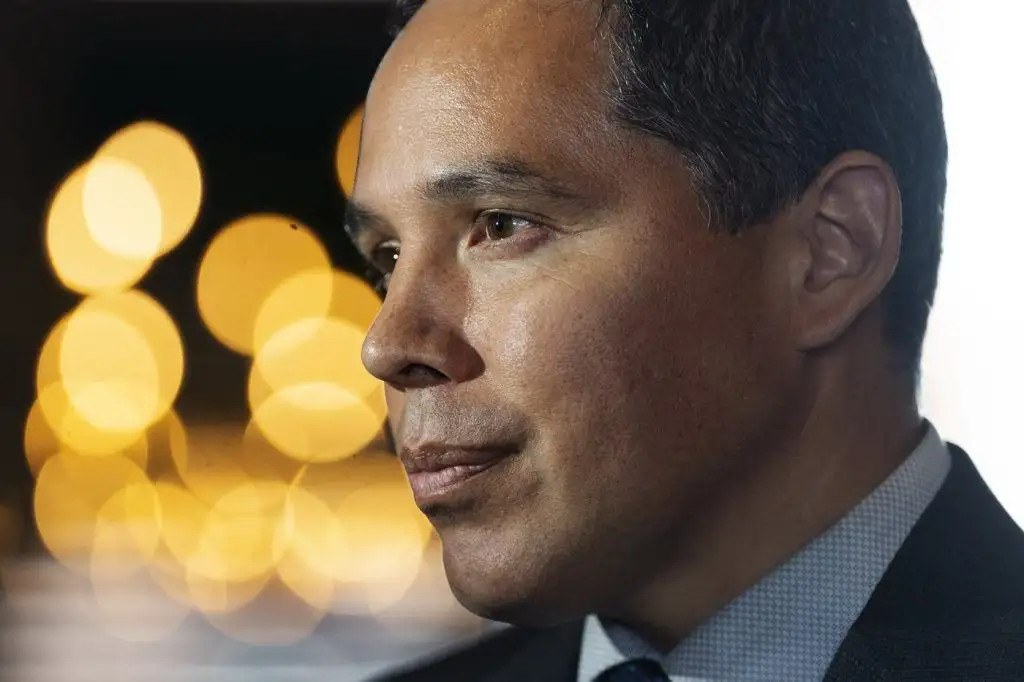
Natan Obed, President of ITK, has highlighted the university's role in dismantling educational obstacles and empowering Inuit with qualifications to serve their communities. He has stressed the importance of keeping Inuit education within Inuit Nunangat, avoiding the need for students to travel south.
Savikataaq Jr., an unnamed community figure, has indicated a local eagerness to share traditions, which will likely be integrated into the university's environment.
An unnamed NTI president traveled to Greenland to study its university system, indicating a proactive approach to learning from international Inuit communities.
Conclusion and Future Implications
The federal government's financial commitment represents a significant step towards realizing the Inuit-led university and addressing critical community needs. The funding package signals a potential shift in how essential services and educational opportunities are delivered to Inuit populations across Canada. The long-term implications of these investments are expected to be felt in enhanced educational attainment, improved health outcomes, and a strengthened sense of self-governance and cultural preservation within Inuit communities.
Read More: University of Toronto Rescinds Buffy Sainte-Marie's Degree Over Ancestry Claims
Sources:
CBC News (Politics): "Ottawa puts $50M behind Inuit-led university, plus long-awaited TB elimination funding" (Published: January 17, 2026). https://www.cbc.ca/news/politics/minister-gull-masty-2026-inuit-communities-funding-9.7096172
CityNews Halifax: "Inuit Nunangat University closer to realization with $50M from Mastercard Foundation" (Published: November 27, 2024). https://halifax.citynews.ca/2024/11/27/inuit-nunangat-university-closer-to-realization-with-50m-mastercard-investment/
CBC News (Politics): "Arviat, Nunavut, chosen as main campus site for Canada's 1st Inuit university" (Published: February 11, 2026). https://www.cbc.ca/news/politics/inuit-nunangat-university-location-9.7083111
Assahafa (World News): "Inuit leaders urge Ottawa to follow Greenland's infrastructure lead" (Published: January 20, 2026). https://en.assahafa.com/inuit-leaders-urge-ottawa-to-follow-greenlands-infrastructure-lead/