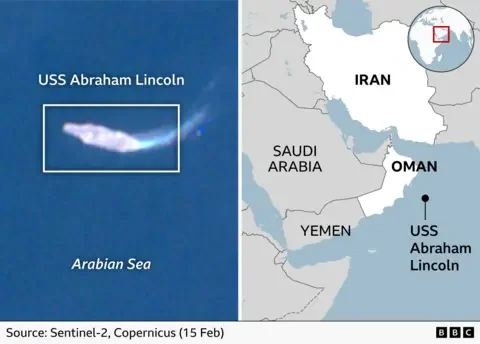
The United States is urging Iran to accept a deal regarding its nuclear program, while simultaneously increasing its military presence in the region. These actions are taking place alongside renewed threats of military action from the US, creating a tense backdrop for ongoing diplomatic efforts. The White House has stated that Iran would be "wise" to reach an agreement.

Background and Key Events
Tensions between the United States and Iran have escalated, particularly concerning Iran's nuclear program. Key events shaping the current situation include:
Recent US Military Actions: Last summer, the US military conducted strikes on three Iranian nuclear facilities. More recently, the US has moved a second battleship into the region.
Diplomatic Negotiations: Talks between the US and Iran, mediated by Oman, have resumed. A second round of these negotiations took place in Geneva.
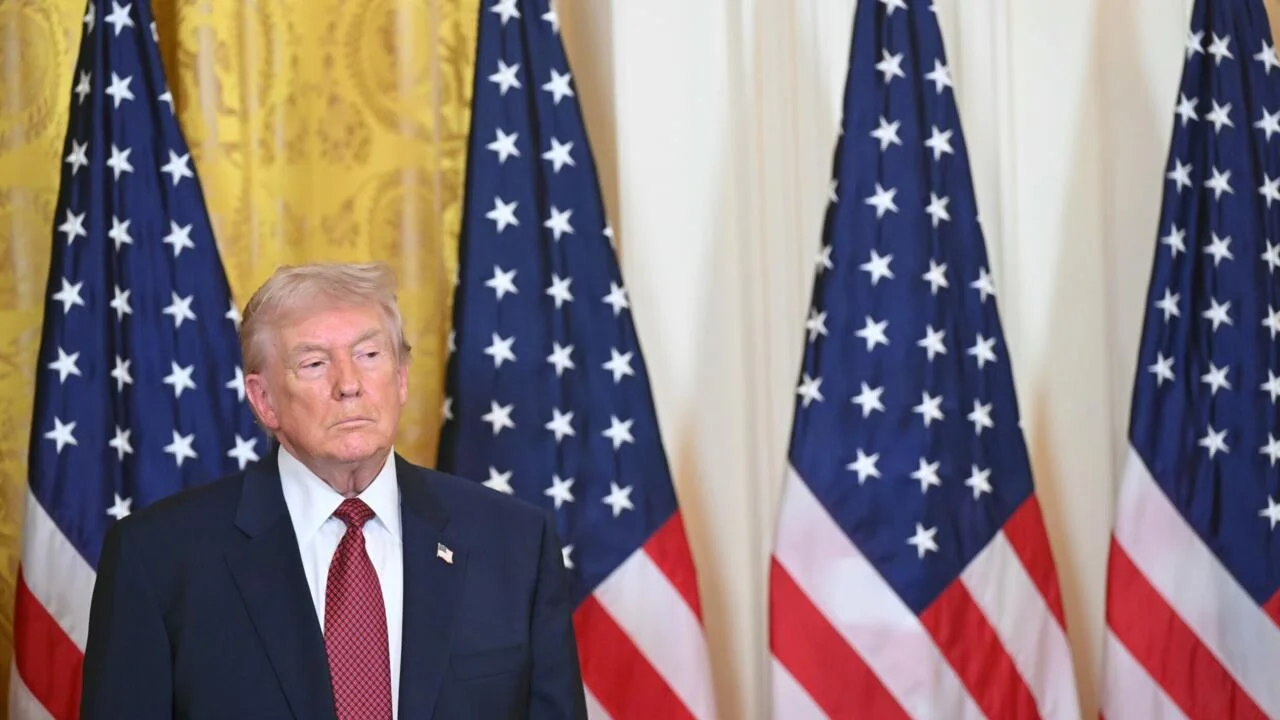
Renewed US Threats: US President Trump has reiterated threats of military action against Iran, including discussions with advisors about potential attack options. US media reported that top national security officials informed the President that military strikes could be prepared as soon as Saturday.
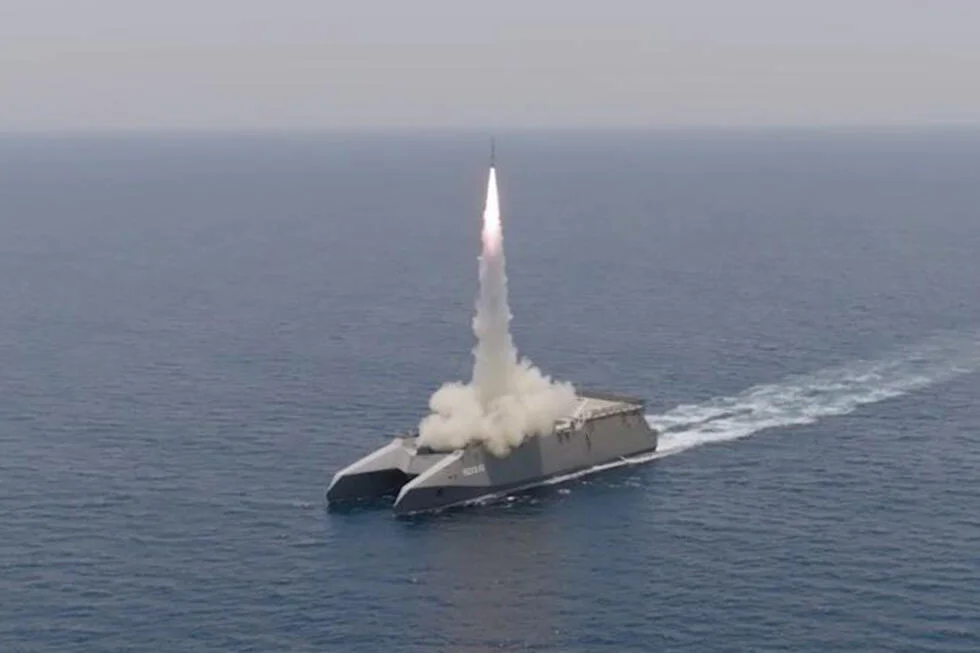
Iranian Response: Iran has responded to the US military buildup with its own displays of military strength. Iranian officials have also maintained a stance of preserving the country's right to enrich uranium for a civilian nuclear program.
Evidence of Tensions and Diplomacy
Multiple reports offer insights into the multifaceted nature of the situation:
"Last summer the US military conducted strikes on three Iranian nuclear facilities. Her comments come as the US moves a second battleship into the region, and one day after progress was reported at US-Iran talks in Switzerland. Iran has responded to the US build-up with its own show of force." - BBC News
"On Wednesday, Trump again suggested the United States might strike Iran in a post on his Truth Social site, with a US military build-up underway in the Middle East. Iran and the US held a second round of Oman-mediated negotiations on Tuesday in Geneva." - France24
"In a speech delivered in Tehran on Tuesday as the talks got underway, Iranian Supreme Leader Ayatollah Ali Khamenei was characteristically dismissive of the U.S. military threat, saying: 'A warship is certainly a dangerous weapon, but even more dangerous is the weapon capable of sinking it.'" - CBS News
"The White House has stated that Iran would be 'wise' to reach an agreement. The US has also reportedly sent Iran a 'detailed and acceptable proposal' for a nuclear deal." - BBC News / Times of Israel
US Military Posture and Diplomatic Urgency
The US is visibly increasing its military presence in the vicinity of Iran, which is occurring concurrently with diplomatic outreach.
Naval Deployment: The US has moved a second battleship into the region, signaling a significant military commitment.
Potential for Strikes: Reports indicate that President Trump has discussed attack options with advisors, with military readiness for potential strikes as early as Saturday.
White House Stance: The White House has articulated that Iran would benefit from accepting a deal, implying a desire for a swift resolution.
Iran's Stance on Uranium Enrichment
Iran maintains its right to a civilian nuclear program, which includes uranium enrichment, a point of contention in negotiations.
Read More: US Urges Iran Nuclear Deal As Military Assets Increase Near Region
Official Insistence: Iranian officials have consistently stated their intention to preserve the country's right to enrich uranium.
Supreme Leader's View: Ayatollah Ali Khamenei has expressed defiance regarding US military threats, emphasizing Iran's defensive capabilities.
Negotiation Demands: Iran is seeking the lifting of US sanctions that are impacting its economy.
Israeli Concerns and Deal Sticking Points
Israel has expressed strong reservations about Iran's nuclear capabilities and any potential deal.
No Enrichment: Israel asserts that Iran should not possess any domestic nuclear enrichment capabilities.
Deal Restrictions: Israeli Prime Minister Netanyahu has been firm that any new agreement must include limits on Iran's ballistic missiles and its support for regional proxy forces.
US Consultation: The US administration has been in regular communication with Israel regarding these matters.
Expert Analysis
While direct expert quotes are not available in the provided data, the interplay of military pressure and diplomatic negotiation is a recurring theme in international relations concerning Iran's nuclear program. The strategy appears to involve leveraging military readiness as a means to compel diplomatic concessions.
Conclusion and Implications
The current situation presents a complex scenario where diplomatic talks are occurring under the significant pressure of heightened US military activity and explicit threats of force.
Dual Approach: The US is employing a dual strategy of offering a nuclear deal while simultaneously demonstrating military capability.
Iranian Position: Iran appears determined to maintain its enrichment rights while seeking sanctions relief, responding to military pressure with its own displays of strength.
Potential Outcomes: The outcome of these negotiations remains uncertain, with the potential for either a diplomatic breakthrough or further escalation depending on the responses of both nations. The involvement of regional actors like Israel adds another layer of complexity to the situation.
Sources
BBC News: White House says Iran would be 'wise' to make deal, as US ramps up military presence - https://www.bbc.com/news/articles/c204zpz0lyro
France24: White House urges Iran to strike deal as Trump renews military threat - https://www.france24.com/en/middle-east/20260218-white-house-urges-iran-to-strike-deal-as-trump-renews-military-threat
CBS News: Iran says "clearer path ahead" to nuclear deal with U.S. after talks in Geneva under shadow of Trump's threats - https://www.cbsnews.com/news/us-iran-talks-geneva-trump-military-threat/
Times of Israel: White House says US has sent Iran ‘detailed and acceptable proposal’ for nuke deal - https://www.timesofisrael.com/white-house-says-us-has-sent-iran-detailed-and-acceptable-proposal-for-nuke-deal/