Striking at Iran's Oil Lifeline: The Battle for Kharg Island Intensifies
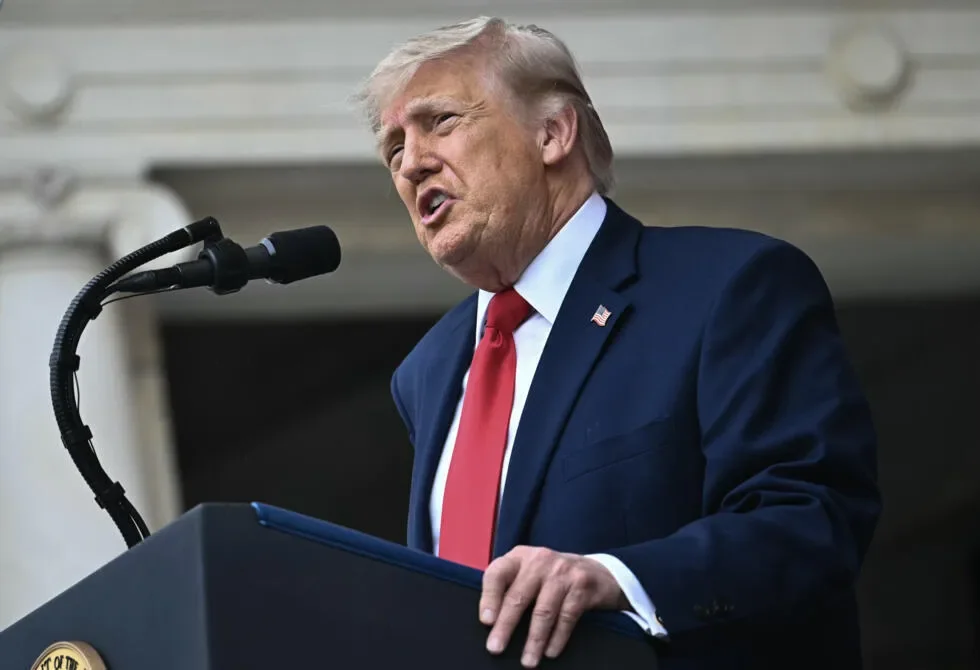
US forces have struck targets on Kharg Island, a vital hub for Iran's oil exports, in a significant escalation of the conflict in the Persian Gulf. The island, a small coral outcrop approximately 16 miles off Iran's southern coast, is the terminal through which nearly all of Iran’s oil exports pass, making it a crucial economic and strategic asset for the Islamic Republic. The strikes, reportedly hitting over 90 targets, come as President Donald Trump presses Iran to allow passage through the Strait of Hormuz.

The actions signal a shift in strategy, with some U.S. officials and lawmakers, like Senator Lindsey Graham, pushing for a ground operation to seize the island. Graham invoked historical parallels, referencing the bloody battles of World War II, to underscore his call for a full-scale assault. The stated aim behind controlling Kharg Island is to cripple the Iranian regime financially and secure passage through the Strait of Hormuz.
Read More: Iran Warns Gulf States After U.S. Naval Clash
The Double-Edged Sword of Seizing Kharg Island
Despite the military actions, the effectiveness of controlling Kharg Island as a leverage point is questioned by some analysts. While a combined force of Marines, airborne troops, and special operations could likely seize the island, the transit itself poses risks from Iranian naval threats. Furthermore, even a successful capture might not grant the US sufficient leverage to force Iran to reopen the Strait of Hormuz, especially amidst a spiraling global energy crisis.
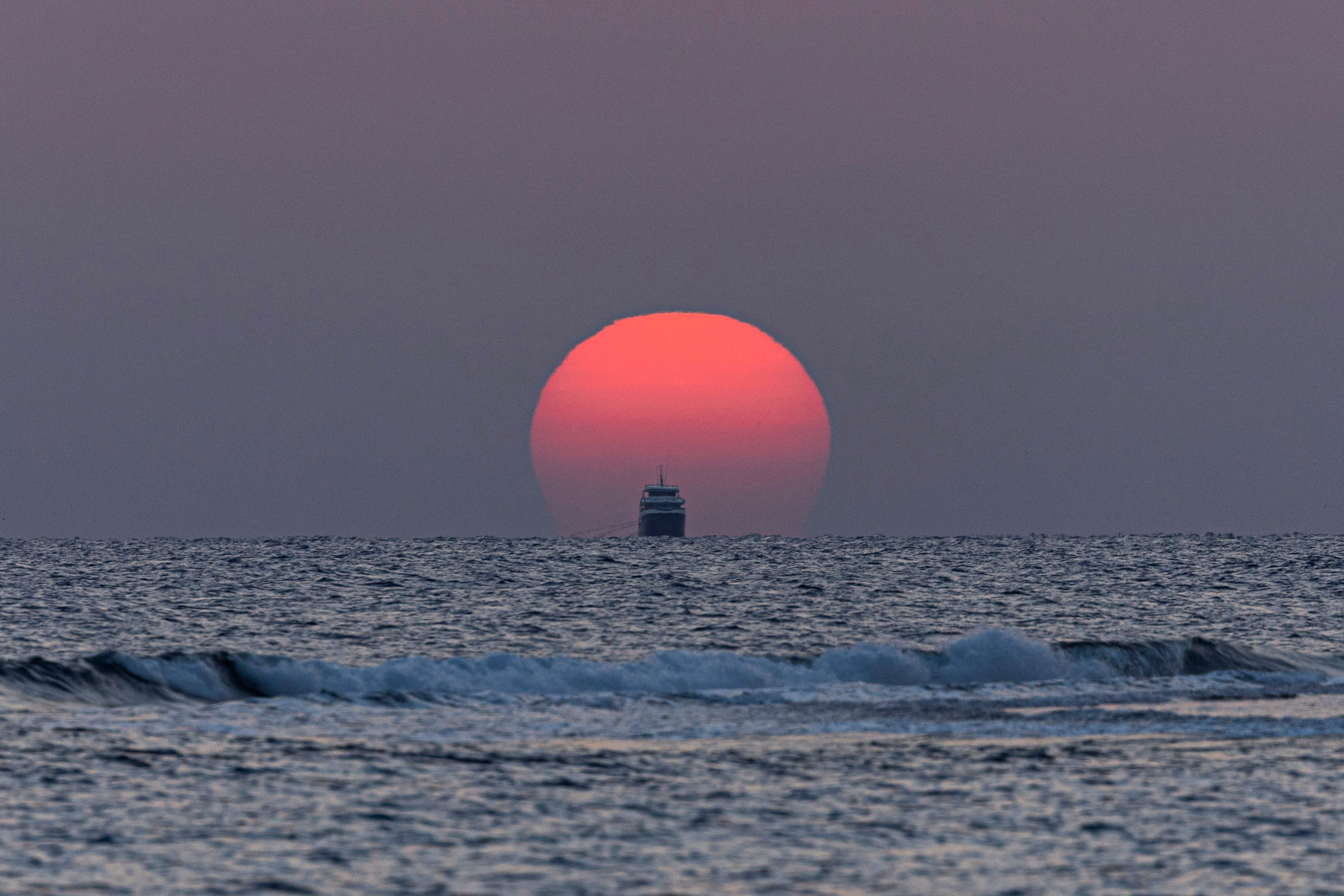
The island's strategic importance means Iran has fortified it, reportedly laying mines around the shoreline and maintaining military assets and garrisons. Iran has also staged military drills there, indicating its readiness to defend the territory.
Potential Ramifications and Unforeseen Consequences
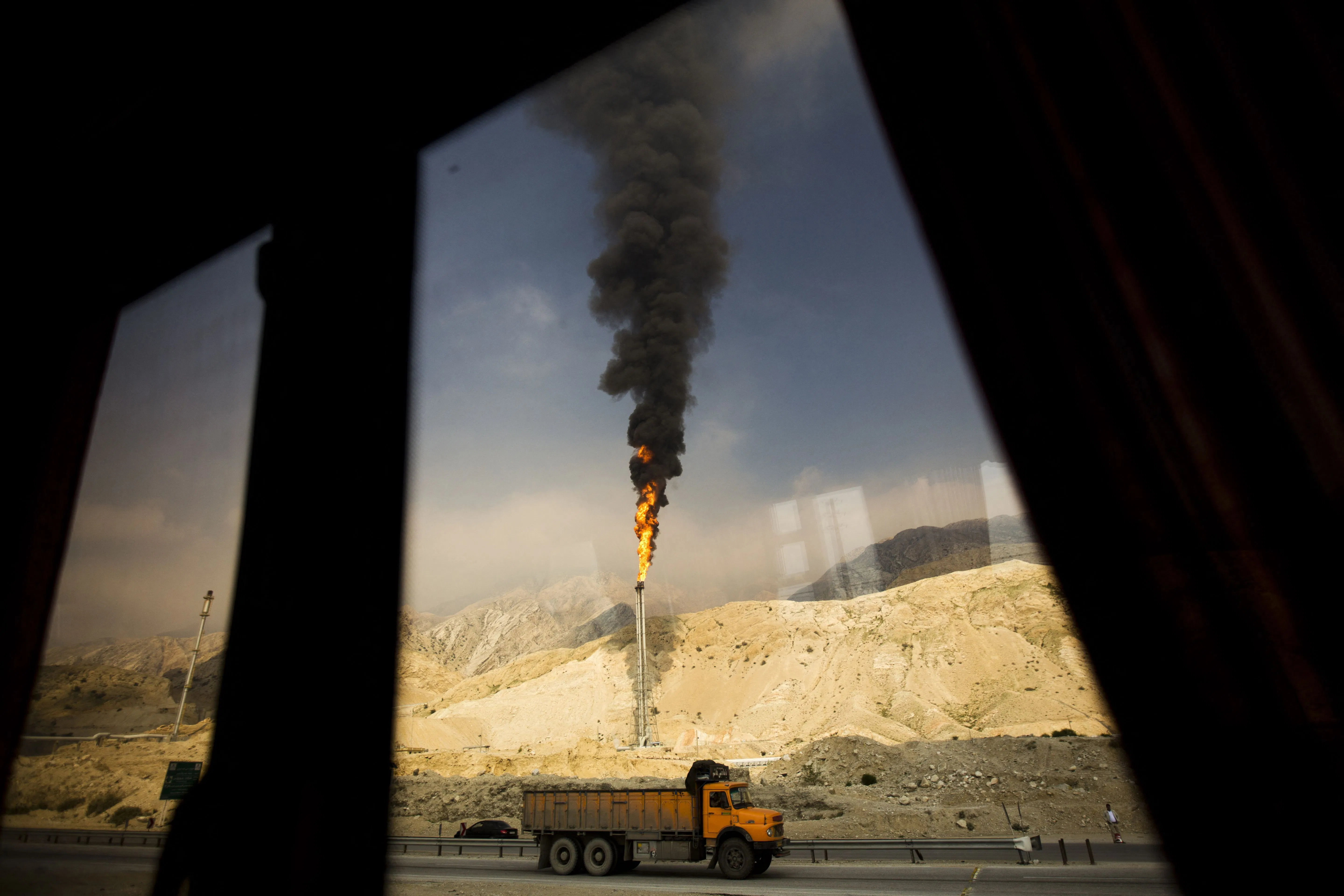
The conflict around Kharg Island presents a complex dilemma. A direct assault on the island, particularly on its oil infrastructure, carries the risk of severe damage that would not only curb Iran’s oil exports but could also significantly impact the global economy, potentially leading to another spike in gas prices worldwide. The confrontation could also present Iranian forces with a stark choice: destroy their own vital oil facilities to prevent them from falling into US hands, or hold back and risk their seizure.
Read More: Gulf Oil Exports Rise in June but Still Below Pre-War Levels
The United States has acknowledged striking targets on the island, though initial reports suggest the strikes did not impact the island's oil infrastructure. However, the broader implications of such actions remain a subject of intense scrutiny, with concerns that seizing Kharg Island could inadvertently enhance Tehran's ability to inflict costs on Washington rather than increase US leverage.
Background: The Strategic Geography of Kharg Island
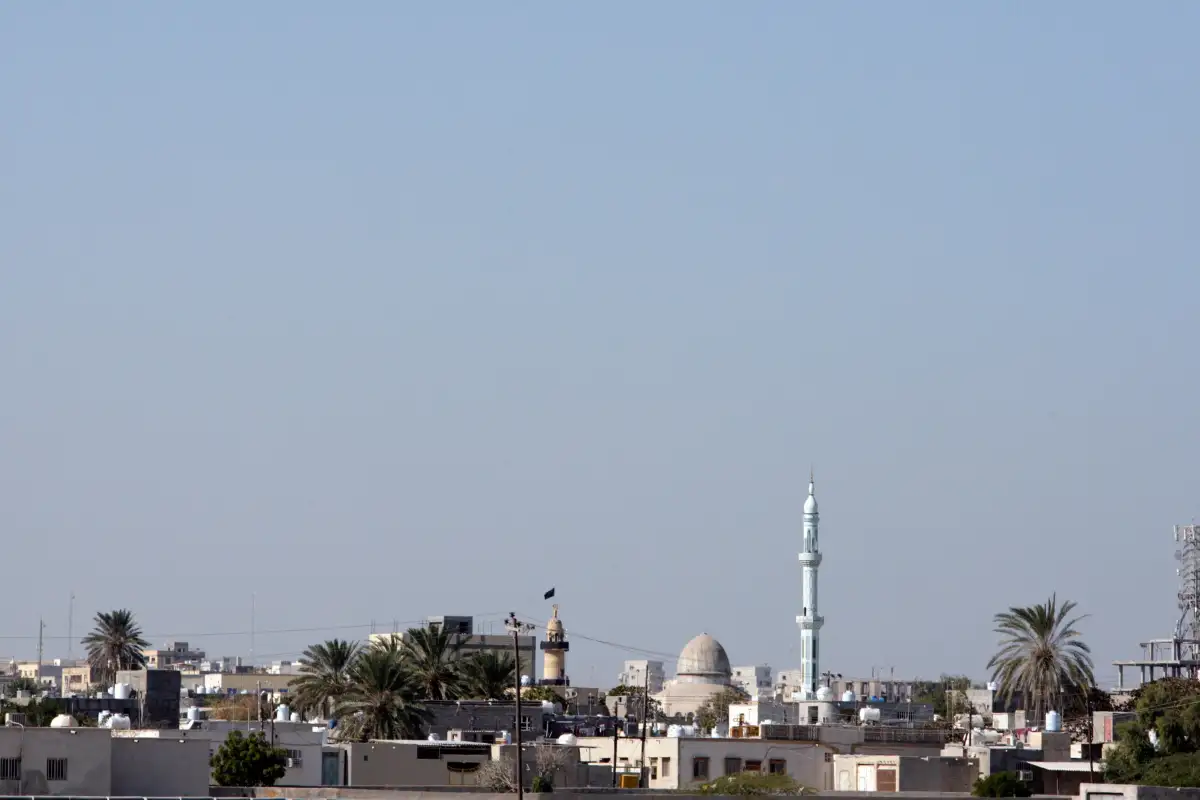
Kharg Island, a seemingly small geographical feature, holds immense economic weight. It is the nexus of Iran's energy industry, directly connected by pipelines to some of the country's largest oil fields. Its strategic position off the coast makes it a linchpin for Iran's oil export operations, a fact underscored by its repeated role in the ongoing conflict, which has seen Iran throttle the Strait of Hormuz with a blockade. The island's capture, or even severe damage to its infrastructure, represents a direct challenge to Iran's economic backbone and a significant gamble in the broader geopolitical landscape.
Read More: Russia Boosts Air Defense Against Ukraine Drone Attacks