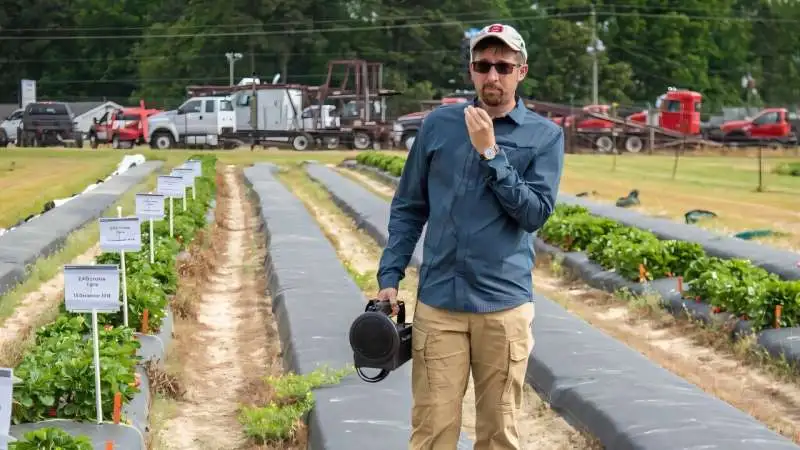
Financial losses in the agricultural sector are projected to reach $44 billion for the 2025–2026 crop cycle, as the gap between operational expenditures and market revenue reaches an unsustainable extreme. Farmers are experiencing a "K-shaped" economic divide where the cost of production—specifically diesel, machinery, and fertilizer—continues to escalate while the commodity prices they receive for their yield remain suppressed.

Projected Income Deficits:
Corn: $20 billion in losses
Soybeans: $10 billion in losses
Wheat: $8.5 billion in losses
Secondary crops (Peanuts, Cotton, Rice, etc.): $6 billion in losses
This divergence has forced agricultural operators into a precarious cycle of risk management. Producers are currently choosing between reducing essential inputs—such as limiting fertilizer, which threatens lower yields—or transferring volatile cost increases directly to the consumer. The confluence of a shifting global Trade Landscape, heightened fuel prices stemming from international conflict, and persistent Consolidation has rendered the traditional family-run model increasingly untenable.
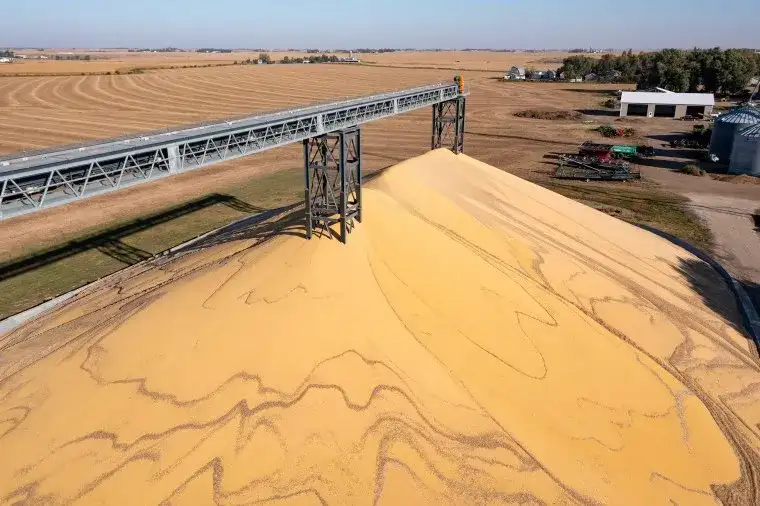
Structural Pressures and Market Distortion
The fragility of the current system is not solely a product of market forces; it is arguably a consequence of layered policy interference. While global volatility like the Russia-Ukraine war has disrupted supply chains, domestic mandates, trade wars, and immigration restrictions are cited as significant drivers of the current inflationary environment.
Read More: FIFA World Cup 2026 Revenue Reaches $15 Billion With New Ticket Prices

| Variable | Impact on Producer |
|---|---|
| Fertilizer/Fuel | Input costs outpacing commodity growth |
| Trade Policy | Shrinking export markets (e.g., China/Soybeans) |
| Consolidation | Large entities absorbing land from struggling families |
| Federal Aid | Fragmented coverage; often fails to mitigate disaster losses |
The Mechanics of Attrition
The "farm crisis" terminology currently circulating among agricultural associations is underpinned by a tangible rise in bankruptcies, particularly in soybean-producing regions. Historically, family farms have served as the anchor of the domestic food supply, but they are increasingly trapped in "razor-thin margins."

"I am more concerned now than I have been in my 30 years of farming," stated Mark Mueller, a fourth-generation Iowa farmer, echoing the sentiment of many who see the current environment as a structural shift rather than a temporary fluctuation.
The Institutional Reality
The transition of land ownership toward larger corporate portfolios is accelerating. As small-scale operations shutter, the Industrialization of agriculture intensifies, creating a food system characterized by deeper central control. Without significant relief in input pricing or a correction in crop price stability, the outlook remains focused on survival, with the likelihood of further reduction in the number of active family farms nationwide.