Selective Passage Persists in Crucial Waterway
A Western European vessel, identified as French, has made a transit through the Strait of Hormuz, marking the first such passage by a ship from this region since the conflict with Iran escalated four weeks ago. The incident, occurring amidst ongoing disruptions to global energy supplies, highlights the complex and selective nature of maritime traffic in this vital chokepoint.
Reduced Vessel Throughput and Coded Journeys
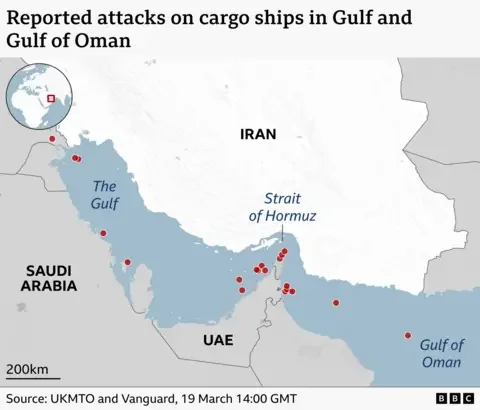
Data indicates a stark reduction in the volume of ships traversing the strait. Before the conflict, an average of 138 vessels passed through daily. Since the US-Israel war on Iran began, only a fraction of this traffic has been observed, with some days seeing as few as four ships recorded with their transmitters active. Vessels are now observed to be using longer, less direct routes to obscure their movements, complicating tracking efforts by firms like Kpler. A significant backlog of approximately 400 vessels was reported near the Gulf of Oman, awaiting clearance or opting for alternative, longer journeys.
Read More: US Intelligence: Iran Still Has Many Missiles and Drones After Attacks
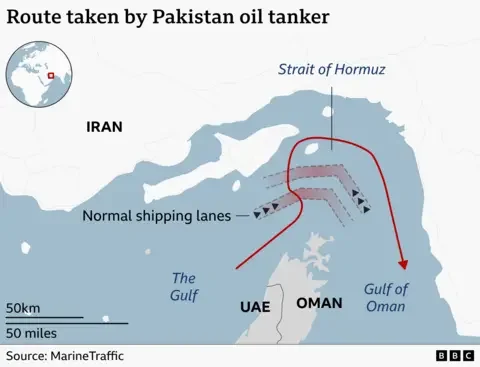
"The Strait of Hormuz is now operating on a selective basis, with some vessels allowed through while others face higher risks." - Analysts quoted in euronews.com
International Response and Iran's Stance
While European nations and Japan have expressed readiness to contribute to security in the Strait of Hormuz, no concrete military role has been outlined. France, under President Macron, has been at the forefront of international efforts to facilitate the unblocking of the energy chokepoint. Tehran has maintained that the Strait of Hormuz remains open to all except the United States and its allies, a stance reiterated as tensions persist.
China's Reliance and Shifting Trade Flows
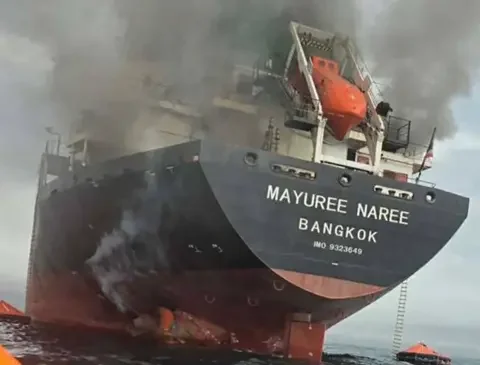
China, which receives a significant portion of its oil – approximately 45 percent – via the Strait of Hormuz, appears to be among the nations whose shipping has been permitted passage. Reports indicate that dozens of vessels broadcasting Automatic Identification System (AIS) signals have indicated Chinese ownership or crew presence while operating in the Gulf. Meanwhile, Iran continues to export millions of barrels of oil despite the ongoing conflict.
Read More: Middle East Conflict Escalation Hits Kuwait Oil and Iran Infrastructure in March 2025
Background: A Vital Artery Under Strain
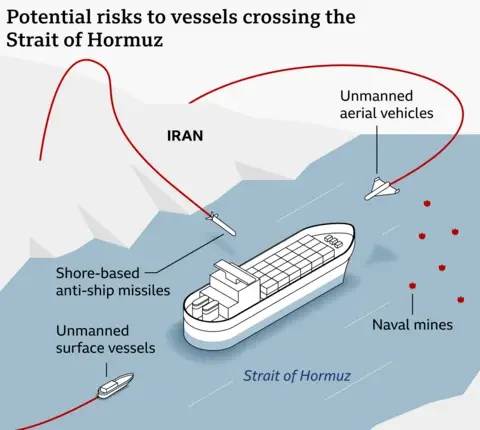
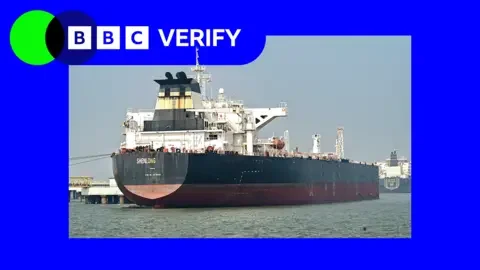
The Strait of Hormuz, a narrow waterway connecting the Persian Gulf to the open sea, is a critical artery for global energy markets, with roughly 20 percent of global seaborne oil passing through it. Its strategic importance is underscored by the economic fallout and soaring energy prices stemming from the disruptions. The conflict, initiated on February 28th with US and Israeli strikes on Iran, has placed immense pressure on international shipping and supply chains. Efforts to reopen the strait face considerable challenges, with naval officers cautioning that attempts to force passage before a cessation of hostilities could render vessels vulnerable in the confined waters.