The establishment of U.S. Space Forces Southern (SPACEFOR-SOUTHEAST) marks a significant development in the U.S. military's approach to space capabilities within the Western Hemisphere. This new command, officially activated in January 2026, aims to bolster regional security and cooperation by integrating space power with terrestrial military operations and multinational partners. The focus on this specific geographic area suggests a deliberate effort to address evolving threats and opportunities in orbit that directly impact nations in Central and South America, as well as the Caribbean.
Contextualizing the New Command
U.S. Space Forces Southern was formally activated on January 22, 2026, during a ceremony held at Davis-Monthan Air Force Base, Arizona.
This activation establishes the command as the space component of U.S. Southern Command (SOUTHCOM).
Its operational area spans Central America, South America, and the Caribbean.
The command's primary mission is to integrate space power with joint, interagency, and multinational partners to support regional security, deterrence, and stability.
Alford is identified as the inaugural commander of Space Forces Southern. His prior experience includes leadership roles within SOUTHCOM, with expertise in missile warning, space control, and joint space integration.
Strategic Alignment and Partner Engagement
The creation of SPACEFOR-SOUTHEAST underscores a broader trend of increasing attention to the space domain's role in national security and international relations.
The command is designed to enhance interoperability and strengthen space domain awareness throughout its area of responsibility.
It will work closely with various entities, including U.S. Space Command, SOUTHCOM, U.S. Northern Command, the Air National Guard's State Partnership Program, and international partners.
This aligns with previous efforts, such as the annual Space Conference of the Americas, which aims to advance space cooperation and interoperability among Western Hemisphere nations. U.S. Northern Command and U.S. Space Command officials have also participated in these conferences, indicating a shared interest in this cooperative framework.
Advancing Space Domain Awareness Capabilities
The U.S. Space Force is actively developing new technologies to monitor activities in space, which directly supports the objectives of commands like SPACEFOR-SOUTHEAST.
Read More: War Dept Adds 33 Experts to Science Board for Tech
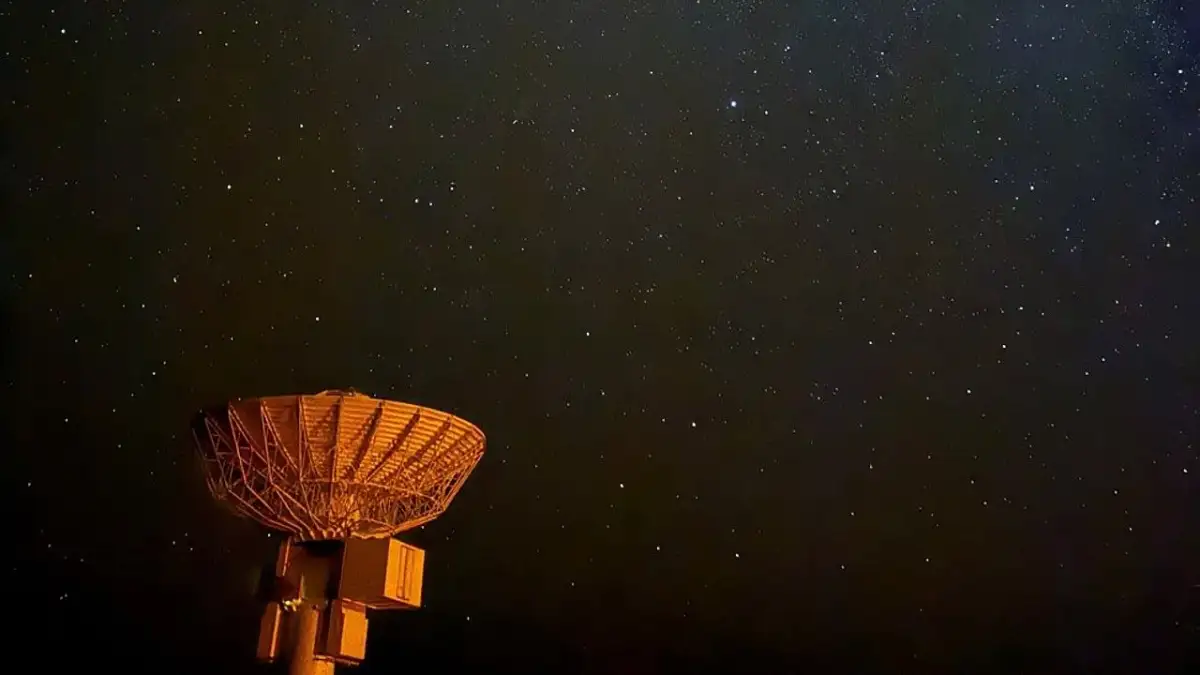
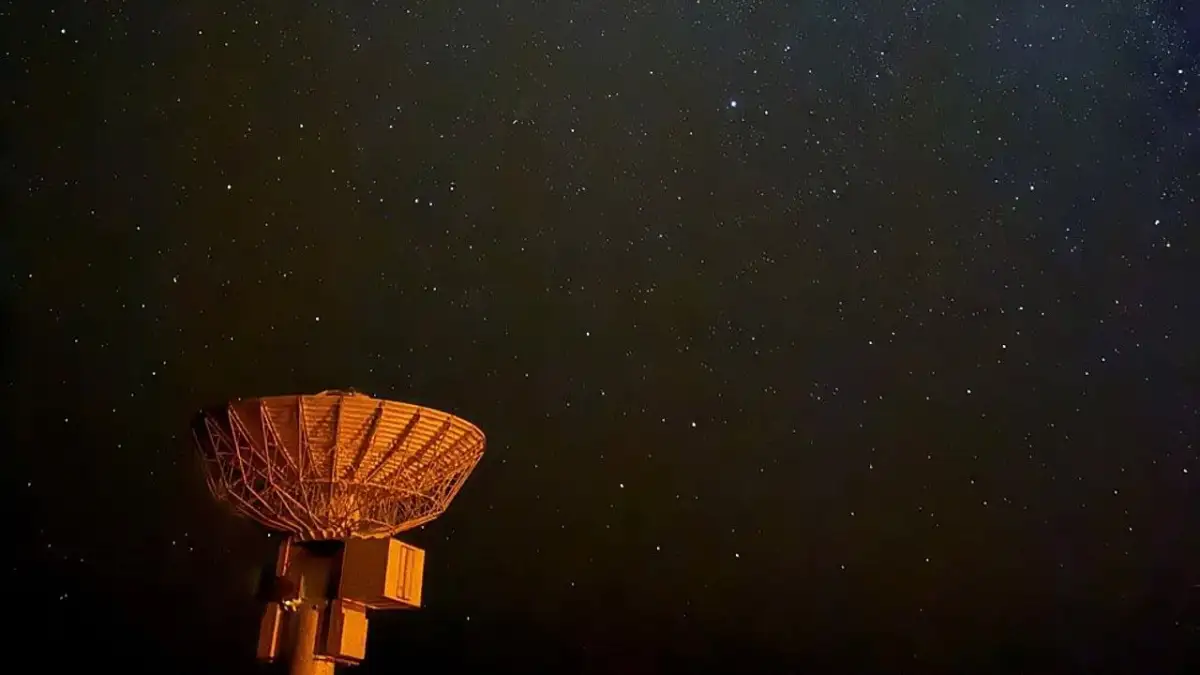
The Deep Space Advanced Radar Capability (DARC) program is a key initiative. DARC is being developed to track multiple small, moving objects in geosynchronous orbit around the clock.
This capability is crucial for improving space domain awareness, defined as the ability to detect, track, and identify objects in space. Such awareness is fundamental to understanding the orbital environment and identifying potential threats.
U.S. Space Command's Role
U.S. Space Command, the parent organization, has articulated its commitment to ensuring freedom of movement in space and deterring aggression.
A spokesperson for U.S. Space Command previously stated that the command possesses the capabilities and the willingness to employ combat-credible means to deter and counter adversaries, projecting power across all warfighting domains.
This posture is intended to protect the joint force from space-enabled attacks.
Expert Analysis
The activation of U.S. Space Forces Southern signifies a formal recognition of the growing importance of space capabilities in the Western Hemisphere.
"This activation showcases the importance of space in SOUTHCOM’s daily missions." - Alford, Inaugural Commander, Space Forces Southern.
This statement highlights the direct link between space assets and the operational requirements of regional security commands. The emphasis on integration with multinational partners suggests a strategy to leverage collective capabilities and perspectives to address shared challenges in the space domain.
Conclusion and Future Considerations
The establishment of U.S. Space Forces Southern represents a strategic maneuver to consolidate and enhance U.S. space capabilities within a critical geographic region. Its mandate to improve regional security, deterrence, and stability through space integration with diverse partners is clear. The command's success will likely hinge on its ability to foster robust interoperability and achieve comprehensive space domain awareness, supported by ongoing technological advancements such as the DARC program. Continued engagement with international allies and a clear understanding of the evolving space environment in the Western Hemisphere will be paramount.
Read More: Moon-sized object passes Earth, sparking primordial black hole debate
Sources
U.S. Space Forces Southern activated amid Western Hemisphere focus
Published: January 22, 2026
Space Force Activates SOUTHCOM Component
Seen on: Bing
Link: https://www.airandspaceforces.com/space-force-activates-southcom-component/
US Space Force's new deep space radar tracks multiple satellites 22,000 miles away in key test
Published: August 14, 2025
Forging Strong Alliances Through Space Cooperation
Published: February 6, 2024
Space Forces Southern Officially Activated During Ceremony in Arizona
Published: January 22, 2026