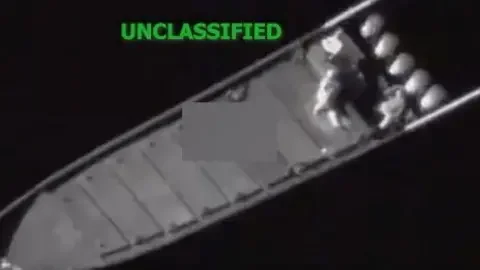
On a recent Monday night, the U.S. military conducted strikes against three vessels in the Eastern Pacific and Caribbean, resulting in the deaths of eleven individuals. U.S. Southern Command stated that the boats were suspected of being involved in drug trafficking. This incident is part of a broader campaign initiated by the Trump administration, which has reportedly carried out over 40 such strikes since September. While the military asserts these were targeted operations against alleged smugglers, questions have been raised regarding the evidence presented and the process by which these targets were identified.
Date of Strikes: Late Monday night.
Location: Eastern Pacific Ocean and Caribbean Sea.
Targets: Three vessels alleged to be involved in drug smuggling.
Outcome: Eleven individuals killed.
U.S. Casualties: None reported.
Context: Part of a sustained U.S. military campaign against suspected drug-trafficking vessels.
Background of the Campaign
Since September, the U.S. military has undertaken a series of over 40 lethal strikes against suspected drug-trafficking boats in international waters, primarily in the Caribbean and Pacific. The stated objective of these operations, according to U.S. Southern Command (SouthCom), is to disrupt illicit maritime smuggling routes. These strikes have been conducted under the authority of the Trump administration.
Read More: Air Force Major Detained for Calling for President's Impeachment

The campaign began in September.
Over 40 strikes have been reported.
Targets are consistently described as "alleged drug boats" or "suspected drug traffickers."
The operations have been carried out by U.S. military forces.
No U.S. military personnel have been reported injured in these strikes.
Details of the Recent Strikes
The most recent operation, conducted late on a Monday night, involved striking three separate vessels. According to U.S. Southern Command, two boats were targeted in the Eastern Pacific, with each vessel carrying an estimated four individuals. A third boat, carrying three individuals, was struck in the Caribbean Sea. All eleven people on board the targeted vessels were killed. The military has stated that no U.S. service members were harmed during this operation.
Number of Vessels Struck: Three.
Vessel 1 & 2 (Eastern Pacific): Each carried approximately four individuals, totaling eight.
Vessel 3 (Caribbean Sea): Carried three individuals.
Total Fatalities: Eleven.
Military Confirmation: U.S. Southern Command confirmed the strikes and fatalities.
Evidence and Verification
The U.S. military has provided statements and, in some instances, videos showing the destruction of boats, as evidence for these operations. However, direct proof that the vessels were actively engaged in drug trafficking has not always been publicly presented by the military. SouthCom stated that the targets were along known smuggling routes.

Military Evidence: Statements from U.S. Southern Command, and videos of boat destruction.
Claim of Illicit Activity: The vessels were described as "accused of smuggling drugs" or "alleged drug traffickers."
Lack of Publicly Available Drug Evidence: The military did not publicly provide evidence of the boats ferrying drugs in this specific instance.
Question of Identity Confirmation: Some military officials have indicated that confirming the identities of individuals on boats can be challenging, especially in the case of multiple fatalities.
Concerns and Criticisms
The strikes have not been without scrutiny. Some individuals and groups have raised concerns about the legality and consequences of these operations. Accusations have been made that the military has, in at least one instance, deliberately eliminated survivors of an initial strike to prevent evidence from being recovered. This has led to accusations of potential war crimes and has prompted congressional inquiries.
Read More: Caribbean Reefs Face Future Worries as Scientists Document Marine Life Changes
Accusations of War Crimes: Following an incident where survivors of an initial strike were allegedly killed, accusations of war crimes have emerged.
Congressional Investigations: These events have spurred investigations within the U.S. Congress.
Destruction of Evidence: Reports suggest that follow-up strikes have sunk wreckage, thereby destroying potential evidence of drug trafficking.
Legal Justifications: The Trump administration is reported to have issued a classified legal opinion justifying lethal strikes against a list of suspected cartel members and traffickers, classifying them as enemy combatants.
Disregard for Civilian Life: Some former military personnel have expressed concerns that the strikes indicate a disregard for civilian lives.
Legal Ramifications and Lawsuits
The U.S. government is facing legal challenges from some families of those killed in the strikes. These families have initiated court proceedings against the U.S. government, seeking accountability for the deaths. The legal strategy reportedly involves questioning the administration's authority and procedures for conducting lethal strikes at sea.

Legal Actions: Families of some deceased individuals have filed lawsuits against the U.S. government.
Basis of Lawsuits: Allegations related to the legality of the strikes and the deaths of their relatives.
Court Involvement: Judicial proceedings have been initiated.
Human Cost and Previous Incidents
These strikes contribute to a rising death toll associated with the U.S. military's maritime interdiction campaign. Since September, the number of individuals killed in these operations has reached at least 135. A recent incident also highlighted the risks to U.S. personnel, when a U.S. Marine fell overboard from an attack ship in the Caribbean and became the first known American casualty in this ongoing operation.
Total Death Toll: At least 135 people killed since the campaign began in September.
Recent U.S. Casualty: One U.S. Marine died after falling overboard from a ship involved in the operation.
Presumed Dead: Several other survivors of strikes are presumed to have died.
Conclusion and Outlook
The recent strikes underscore the ongoing U.S. military campaign targeting suspected drug-trafficking vessels. While the military asserts the necessity and legality of these actions, citing the disruption of illicit activities, concerns persist regarding the evidence used to identify targets, the verification process, and the human toll. The legal challenges filed by families and ongoing congressional inquiries suggest that this campaign will continue to face significant scrutiny. The administration's reliance on classified legal opinions to classify individuals as enemy combatants also presents a complex legal and ethical dimension to these maritime operations. The long-term implications for international maritime law and human rights will likely be shaped by future legal decisions and further investigations into the conduct of these strikes.
Read More: Pentagon Unites Drone Programs Under New Office
Key Findings: Eleven individuals killed in strikes on alleged drug boats. Campaign has resulted in over 135 deaths.
Points of Contention: Evidence of drug trafficking, identity verification, destruction of evidence, legality of lethal strikes.
Next Steps: Ongoing lawsuits, potential further congressional investigations, continued military operations.
Unresolved Questions: The precise nature of the evidence used to classify targets and the extent of civilian impact remain areas requiring further clarification.
Sources Used:
Context: Provides a general overview of the recent strikes, their connection to the ongoing campaign, and mentions families pursuing legal action and a previous U.S. casualty.
Associated Press (AP News): https://apnews.com/article/boat-strikes-drug-trafficking-trump-5504d20ac43e0f4796084d0f1cefe5ec
Context: Details the number of vessels and individuals involved in the strikes, mentions U.S. Southern Command's statement on targeting smugglers, and notes the lack of public evidence of drug ferrying, alongside the posting of videos.
NBC Miami: https://www.nbcmiami.com/news/local/11-men-killed-in-strikes-on-alleged-drug-boats-in-the-caribbean-pacific-southcom/3768149/
Context: Confirms the number of individuals killed and the locations of the strikes, attributing the information to U.S. Southern Command and reiterating the lack of U.S. military harm.
USA Today: https://www.usatoday.com/story/news/politics/2025/12/10/deadly-boat-strike-caribbean-cartel-pentagon/87669063007/
Context: Reports on an officer's testimony to lawmakers about loose cartel ties of those killed, discusses the difficulty of confirming identities, and raises concerns about the destruction of evidence and potential disregard for civilian life.
CNN Politics: https://edition.cnn.com/2026/02/17/politics/us-military-strike-alleged-drug-boats-kill-11
Context: Details the recent strikes, the total death toll of the campaign, mentions previous strikes, and reports on accusations of war crimes following alleged killings of survivors and the existence of a classified legal opinion justifying lethal strikes.