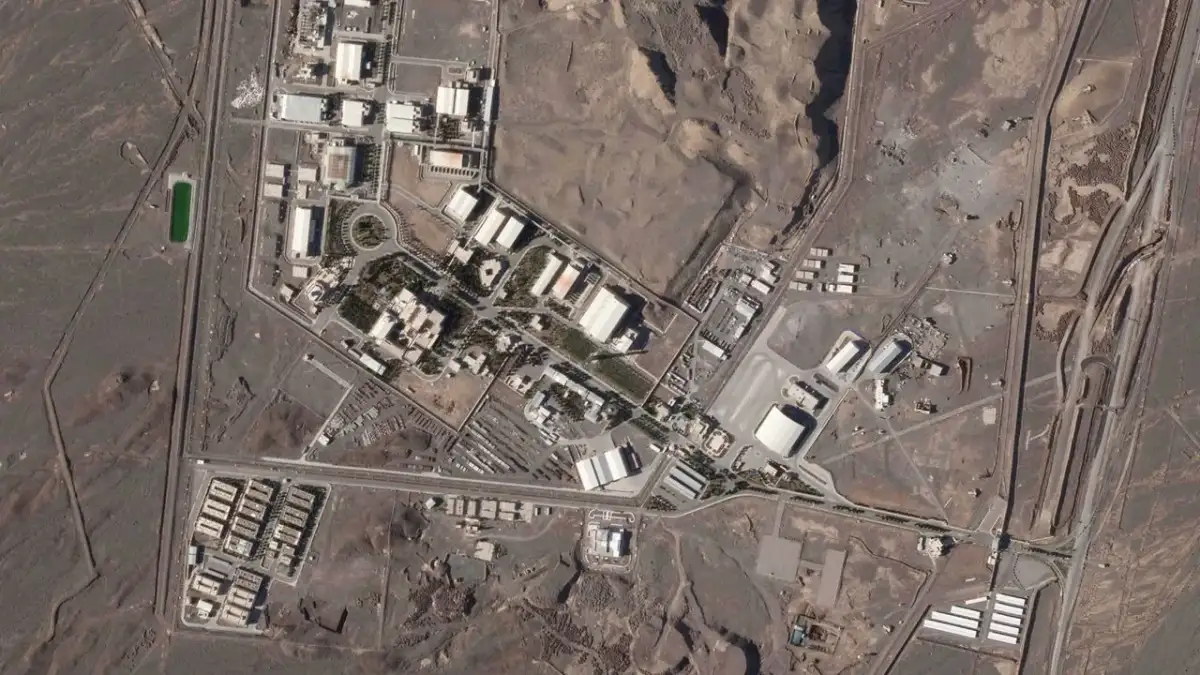
U.S. and Iranian forces engaged in a skirmish near the Strait of Hormuz on Thursday, with American naval destroyers reportedly targeted by missiles, drones, and small boats. U.S. Central Command (CENTCOM) stated that in response to these "unprovoked Iranian attacks," U.S. forces conducted "self-defense strikes" on Iranian military facilities responsible for the launches. President Donald Trump characterized the U.S. retaliatory actions as a "love tap" and insisted that the ceasefire between the two nations remains in effect.
CENTCOM reported that three U.S. Navy guided-missile destroyers – the USS Truxtun, USS Rafael Peralta, and USS Mason – were targeted by Iranian forces while transiting the Strait of Hormuz. The Iranian Revolutionary Guard Corps offered a different account, claiming to have targeted U.S. warships in retaliation for previous U.S. strikes on an Iranian oil tanker and civilian areas. Despite the exchange, CENTCOM maintained that no U.S. assets were struck.
Read More: Iran Zagros Mountain Nuclear Site Construction Update April 2026
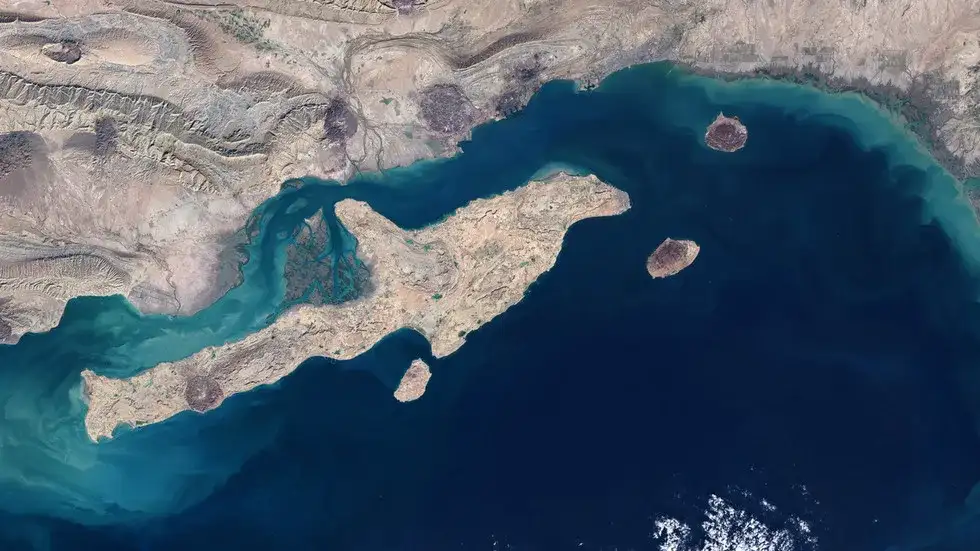
Trump, speaking to ABC News, downplayed the intensity of the U.S. strikes, calling them a "love tap" while simultaneously warning that the U.S. would "knock out Iran a lot harder" if a peace deal is not reached "FAST!" He reiterated that the ceasefire was still active, despite the confrontation. Reports from Iranian state media indicated explosions near Bandar Abbas and on Qeshm Island, with commercial parts of a pier being targeted.

The incident occurred as Washington and Tehran are reportedly considering a proposal to end hostilities. The Trump administration also announced new sanctions on Thursday, targeting Iraq's deputy oil minister and associated businesses accused of diverting oil revenues to fund Iranian-backed terrorism.

French President Emmanuel Macron reportedly spoke with Iranian President Masoud Pezeshkian, condemning strikes on civilian infrastructure and ships and calling for the lifting of restrictions on shipping in the Strait of Hormuz.
Read More: Gulf Oil Exports Rise in June but Still Below Pre-War Levels
Background:
This latest exchange follows a period of heightened regional tension and a fragile ceasefire agreement. The Strait of Hormuz is a critical chokepoint for global energy transit. Iran's Tasnim News Agency, linked to the Revolutionary Guards, reportedly published an editorial describing the confrontation as a failed U.S. operation. Trump has previously used social media to describe U.S. successes against Iran.