
Washington — The United States has launched retaliatory strikes against Iranian naval assets and military sites following a series of what it described as "unprovoked" attacks by Iran on naval vessels and commercial shipping in the Strait of Hormuz and the Persian Gulf. The exchange, which occurred around May 4th and May 5th, 2026, has intensified a fragile cease-fire that took effect on April 8th.
== The U.S. military confirmed striking Iran's Bandar Kargan naval checkpoint in Minab, with reports indicating action around the Strait of Hormuz. This comes after Iran allegedly fired on U.S. and South Korean ships transiting the vital waterway. ==
The incidents escalated after President Trump announced an initiative, dubbed 'Project Freedom', aimed at escorting ships through the Strait of Hormuz. Iran responded by warning that any U.S. forces entering the Strait would be targeted, framing such actions as a violation of the cease-fire. Iranian state media reported exchanges of fire across Hormozgan province, near key ports and islands.
Read More: AFP Reviews War Crime Claims Against Australian in Gaza
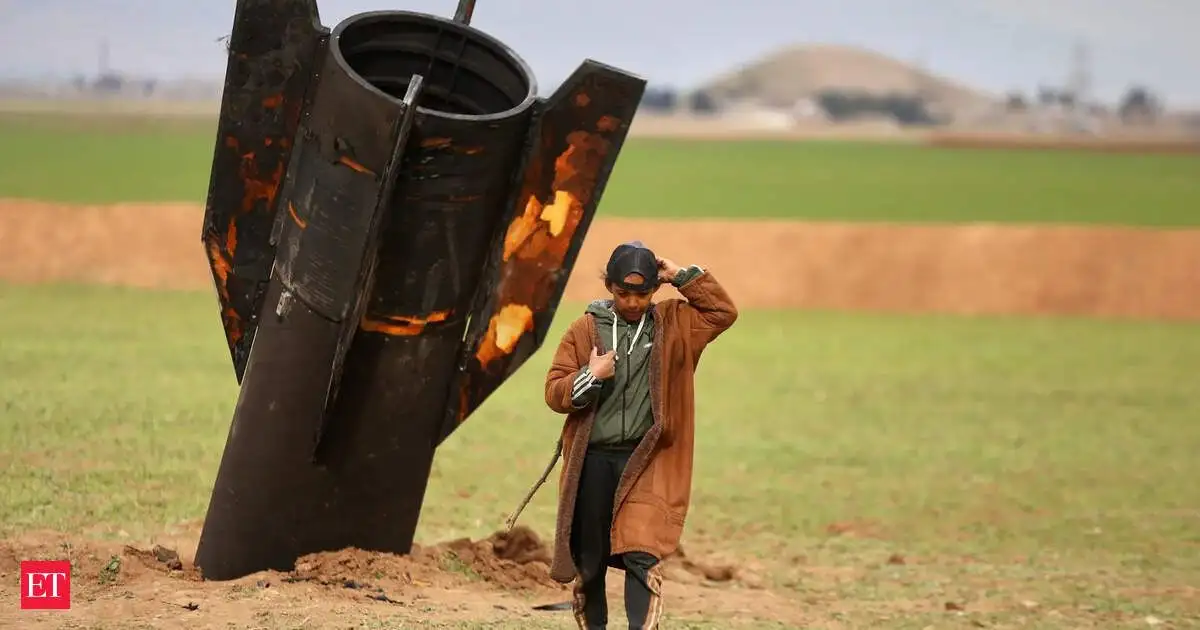
In the aftermath of the alleged Iranian attacks, the U.S. reported sinking seven small Iranian boats that it claimed were involved in aggressive maneuvers. U.S. Central Command (CENTCOM) confirmed that two U.S.-flagged commercial vessels transited the Strait on Monday, May 5th, the same day a South Korean cargo ship reportedly experienced an explosion and fire, which the U.S. attributed to an Iranian strike.
Iranian officials have offered conflicting accounts, with one senior official suggesting a warning shot was fired and disputing damage to U.S. warships. These exchanges have cast a pall over ongoing, albeit stalled, talks aimed at establishing a lasting end to hostilities.
Background to the Escalation
The recent clashes follow a period of heightened pressure on Iran, including a U.S. naval blockade on Iranian ports since April 13th and sanctions targeting militia groups deemed to support "terrorist activities." These actions are part of a broader U.S. strategy to curb Iranian influence in Iraq and the wider region.
Read More: Gulf Oil Exports Rise in June but Still Below Pre-War Levels
The Strait of Hormuz, a critical chokepoint for global oil and gas supplies, has been a focal point of tensions. Prior to the current cease-fire, Iran had previously blockaded the strait and launched missiles and drones at U.S. Gulf allies, following alleged U.S.-Israeli air strikes in February 2026. The ongoing situation has left an estimated 20,000 crew members stranded on around 2,000 vessels in the Strait since the start of 'Operation Epic Fury'.