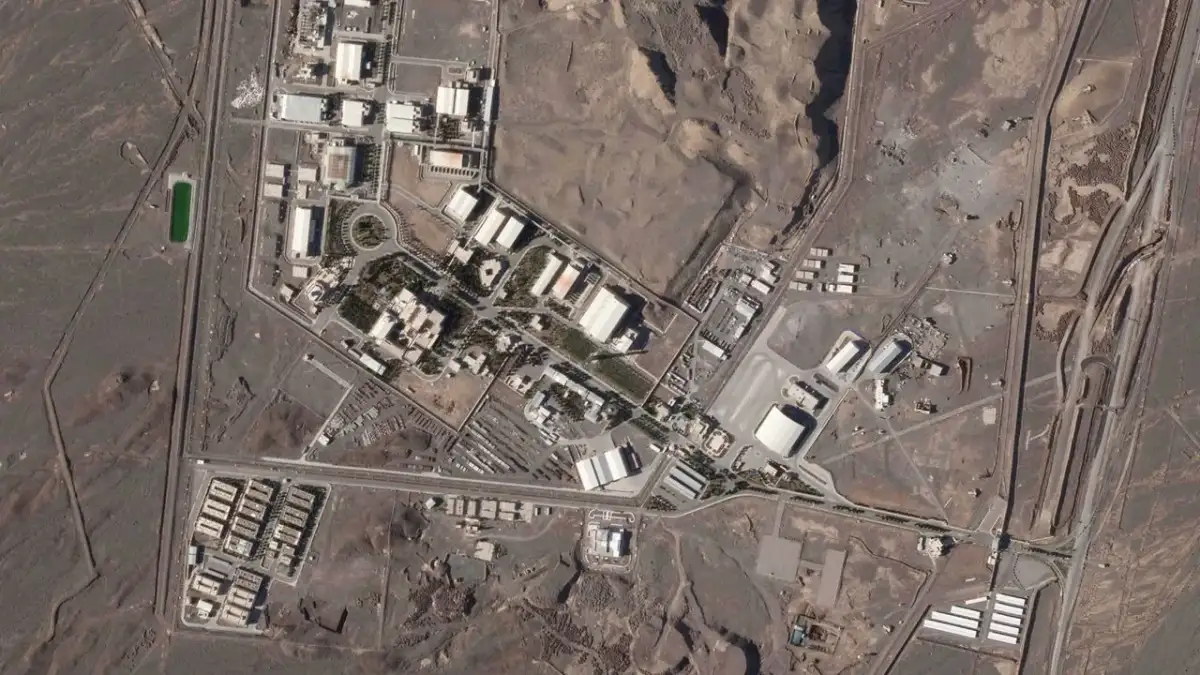
The United States military has conducted strikes on Iranian military facilities, including missile and drone launch sites, in retaliation for what CENTCOM described as "unprovoked attacks" on U.S. naval vessels. The actions occurred as U.S. warships, including the USS Truxtun, USS Rafael Peralta, and USS Mason, transited the Strait of Hormuz. Iranian forces reportedly launched multiple missiles, drones, and small boats at the U.S. vessels.
CENTCOM stated that the targeted Iranian facilities were responsible for the attacks on U.S. forces. The strikes were characterized as "self-defense" operations following the assaults on the American warships. No U.S. assets were reported to have been hit during these engagements.
Escalating Tensions in the Strait of Hormuz
Recent days have seen a marked increase in hostilities, with both the U.S. and Iran engaging in actions that raise concerns about the stability of the region. On Monday, the U.S. reported sinking seven small Iranian boats after Iran launched attacks on vessels in the Strait of Hormuz and the United Arab Emirates. These incidents come amid Iran's prior warnings that U.S. forces would face attacks if they entered the Strait.
Read More: Iran Zagros Mountain Nuclear Site Construction Update April 2026
The U.S. has initiated an effort, dubbed 'Project Freedom,' intended to guide ships safely through the Strait of Hormuz. This initiative was announced by President Trump, who stated it was a defensive operation and placed the onus on Iran to negotiate. Despite these pronouncements, Iran has insisted it will take "decisive action" against ships not using regime-approved routes through the vital waterway.
Broader Regional Impact
The Strait of Hormuz remains a critical chokepoint for global trade, and the escalating tensions have significant economic implications. Reports indicate that the UAE has also come under attack, with missile and drone launches originating from Iran. International leaders have condemned attacks on UAE infrastructure.
While U.S. officials have suggested that the "offensive stage of the Iran war is over," questions linger about the effectiveness and ultimate aim of U.S. operations in the Strait. Iran's stated position is to maintain control over the strait, which it views as a significant leverage point. The U.S. military confirmed that two American-flagged merchant ships successfully transited the strait as part of its new initiative, with the U.S. military firing on Iranian forces and sinking six small boats that were targeting civilian ships under U.S. protection.
Read More: Gulf Oil Exports Rise in June but Still Below Pre-War Levels