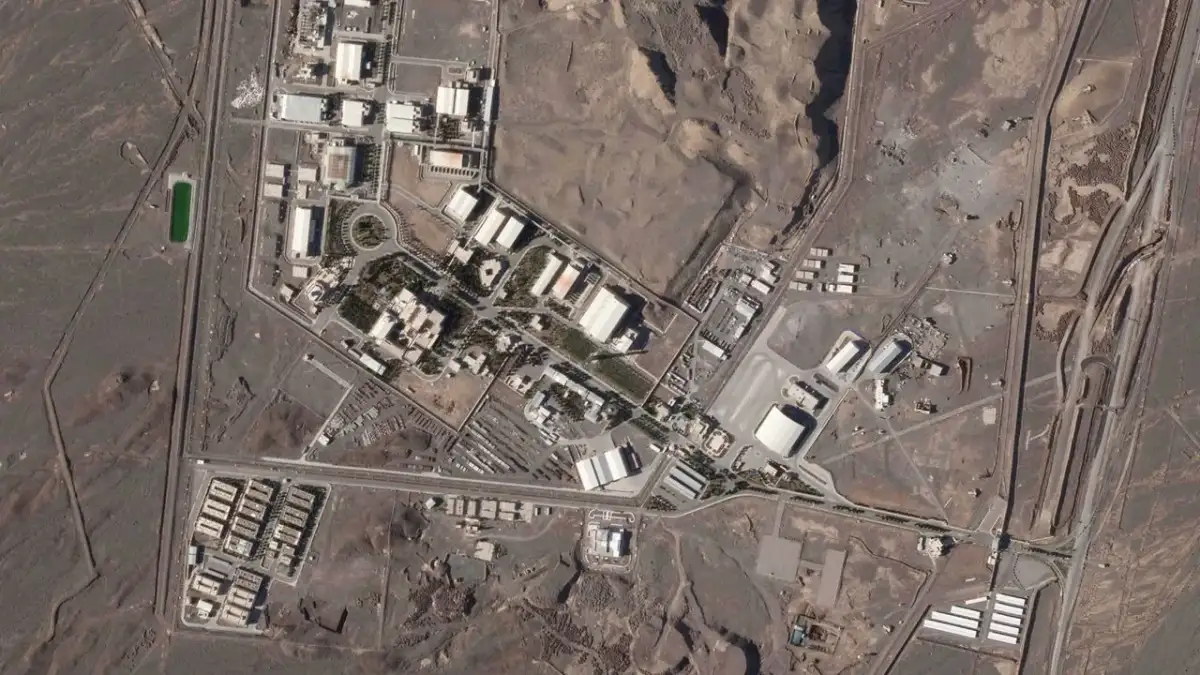
Recent confrontations in the Strait of Hormuz have seen US naval destroyers coming under fire, prompting what US Central Command described as "defensive strikes" against "unprovoked Iranian attacks." The engagements involve missile and drone assaults, with the US forces targeting Iranian military facilities deemed responsible for the aggression. These actions come as the US continues to enforce a blockade linked to the Strait of Hormuz, a move aimed at reopening the vital shipping lane.
The escalating tensions highlight a complex interplay between military actions and diplomatic overtures, with conflicting narratives emerging from both sides regarding the initiation of hostilities and the status of ongoing negotiations.
Conflicting Claims and Diplomatic Maneuvers
Iran's Foreign Ministry spokesperson Esmaeil Baqaei stated that genuine negotiations cannot occur under coercion, emphasizing the need for "good faith" diplomacy. He cited a 2011 International Court of Justice ruling, asserting that talks require a "genuine attempt to engage in discussions with a view to resolving the dispute," not "dictation, deception, extortion or coercion." This stance follows US President Donald Trump's assertion that Washington's "Operation Epic Fury" and the Strait of Hormuz blockade would cease if Iran "plays ball." Trump also warned of renewed military action if Tehran refused ceasefire conditions.
Read More: Iran Zagros Mountain Nuclear Site Construction Update April 2026

Meanwhile, Saudi Arabia and Kuwait have reportedly lifted previous restrictions on US military access to their bases and airspace. This development occurred after the launch of the US operation intended to reopen the Strait of Hormuz, according to a Wall Street Journal report citing US and Saudi officials.
Military Engagements and Project Freedom
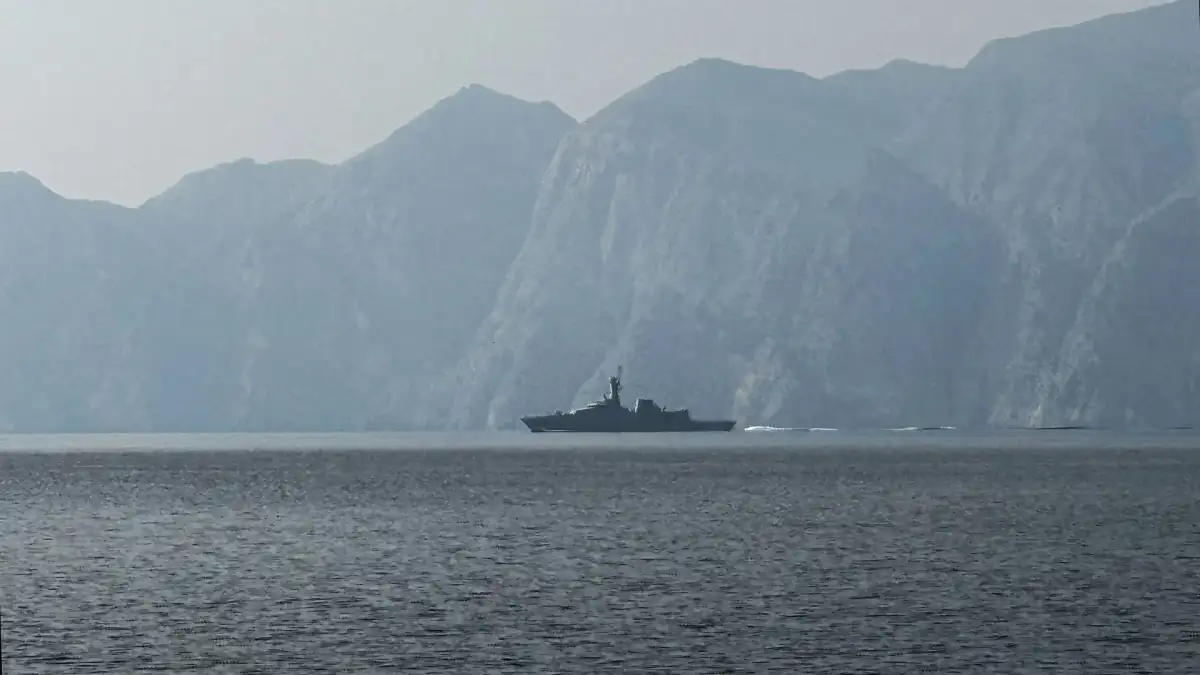
US Central Command confirmed conducting strikes against Iranian attacks in the Strait of Hormuz, with the USS Rafael Peralta being sighted near a vessel enforcing the US blockade. The US military reported sinking seven small Iranian boats engaged in attacks on UAE and ships in the Strait. Previously, on Monday, two American-flagged merchant ships successfully transited the strait as part of a US initiative. US Navy guided-missile destroyers were noted to be operating in the Gulf during these transits.
Read More: Gulf Oil Exports Rise in June but Still Below Pre-War Levels
The US military previously engaged Iranian forces, sinking six small boats that were targeting civilian ships as part of efforts to reopen the strait. These actions followed Iran's launch of missile and drone attacks on the United Arab Emirates and ships in the Strait of Hormuz.
"Project Freedom" and Diplomatic Proposals
President Trump had announced an initiative, dubbed "Project Freedom," to escort ships safely out of the Strait of Hormuz. However, this project has since been paused, with Trump citing "great progress" made in an Iran agreement. This pause comes as Iran claims to be launching a new transit process for ships attempting to navigate the Strait of Hormuz.
The US plans to present Iran's actions on commercial shipping to the United Nations, according to Secretary of State Marco Rubio. Rubio characterized Iran as the "clear aggressor," citing attacks on vessels from various nations and labeling Iran's actions as "international extortion."
Read More: 40 Die in Quetta to Peshawar Bus Crash in Balochistan on April 3 2026
Iran has indicated it is reviewing a US proposal conveyed through Pakistan. This development occurs as Iran attempts to formalize its control over the Strait of Hormuz shipping lanes.
Background and Broader Context
The ongoing conflict has seen both sides trading fire, with each claiming the other initiated the attacks. This flare-up in the Strait of Hormuz, a crucial global oil-shipping route, comes as Iran reportedly reviews a US proposal to end the war and initiate further nuclear talks. President Trump, in a call with an ABC News reporter, insisted the ceasefire remained in effect, referring to the strikes as a "love tap." He also stated on Truth Social that the US had "completely destroyed" the Iranian forces involved in the exchange and reiterated that further attacks would occur if a nuclear deal was not finalized quickly.
Read More: US-Iran Talks Stall Over Strait of Hormuz Control on 7 April 2026
France's President Emmanuel Macron communicated his concerns to Iranian President Masoud Pezeshkian regarding "unjustified" strikes on Emirati civilian infrastructure and ships, urging both the US and Iran to lift shipping restrictions in the strait without preconditions.
Previously, in early March 2026, Trump announced the destruction of nine Iranian warships.
The US military had also previously announced the destruction of eight Iranian boats, though Iran denied any successful crossings by commercial vessels or oil tankers and asserted that none of its navy ships were damaged.
Amidst these events, reports indicate the arrival of Russian oil in Japan for the first time since the Iran war began, and the British military reported two cargo vessels on fire off the UAE.