Washington and Tehran remain at an impasse, with recent talks in Islamabad failing to yield an agreement. The United States, represented by Vice President JD Vance, has departed Pakistan without a deal. US officials state that Iran rejected their terms, particularly concerning nuclear commitments. President Donald Trump has declared the US ready to act decisively against Iran if necessary, asserting that "we win regardless of what happens."
The breakdown in negotiations follows Iran's repeated closure of the Strait of Hormuz, a move it attributes to Israeli actions against Hezbollah in Lebanon. Iran insists the cessation of Israeli military operations in Lebanon is a prerequisite for any ceasefire agreement with the United States. This stance directly contradicts Israeli accounts and complicates efforts to de-escalate the conflict.
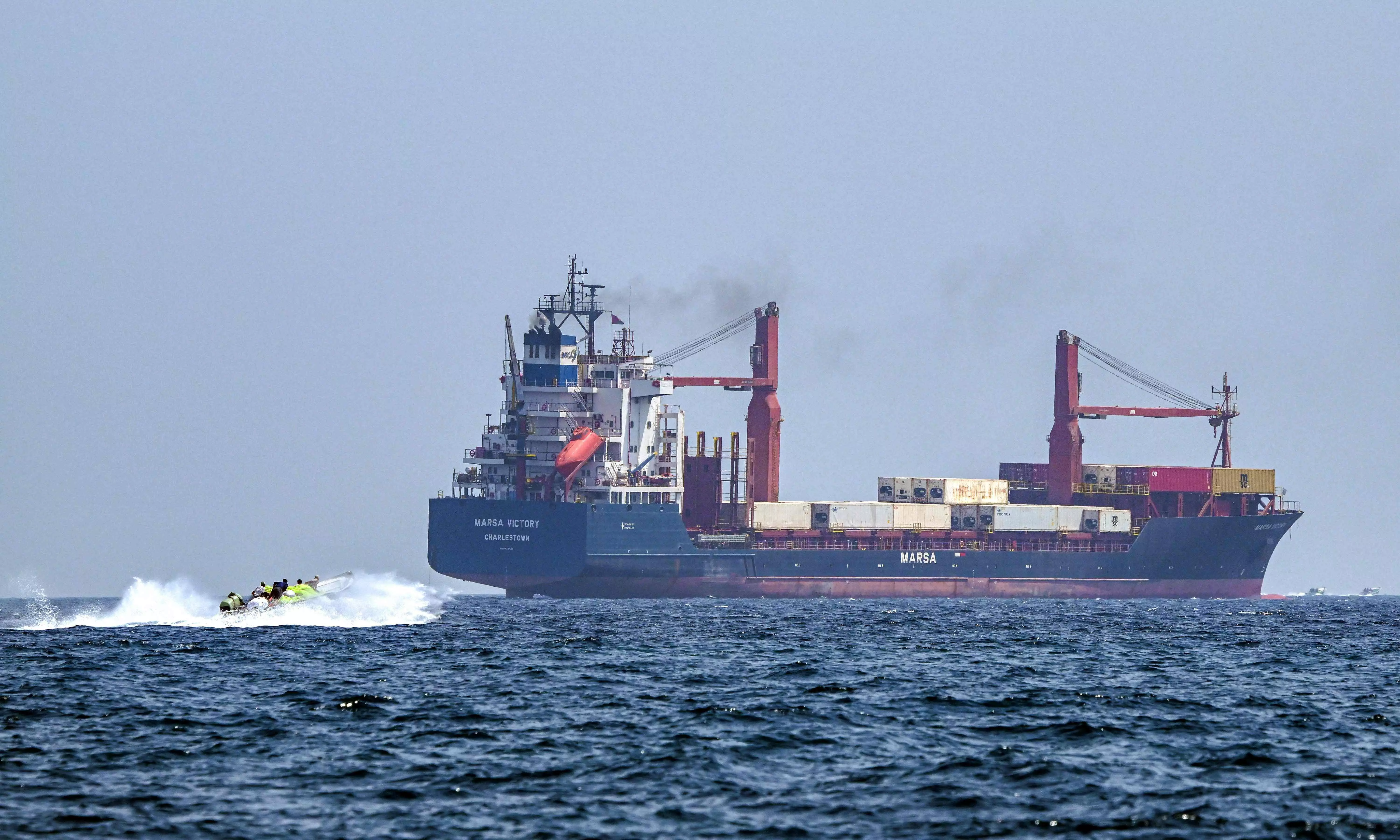
Trump has announced an immediate blockade of the Strait of Hormuz by the US Navy, with a commitment to intercepting vessels that have paid tolls to Iran. This action, coupled with Iran's control over the strait, escalates regional tensions significantly.
Iran's delegation, which included the Speaker of the Iranian Parliament, arrived in Pakistan with officials like Abbas Araghchi indicating Tehran's intention to negotiate from a position of strength. However, the US delegation, which also included special envoy Steve Witkoff and Jared Kushner, appears to have left without securing Iran's adherence to the proposed terms.
Read More: US-Iran Nuclear Talks Fail in Islamabad; Global Energy Routes at Risk

Recent exchanges between Israel and Iran-backed Hezbollah have tested a fragile truce. Hezbollah reportedly fired numerous projectiles into Israel, causing damage. Spain, through its Prime Minister Pedro Sánchez, has condemned Israeli strikes on Lebanon.
Iran's Parliament Speaker has stated that the US is "unable" to gain Tehran's trust for negotiations. This sentiment is echoed by Iran's stance that Washington is responsible for the failure at the talks.
President Trump had previously set a deadline for Iran to reopen the Strait of Hormuz or face retaliatory strikes. He later agreed to a two-week suspension of planned bombings if Iran complied. However, the ongoing diplomatic stalemate and the escalation of military actions suggest this fragile period of potential de-escalation may be over.
Read More: Trump claims victory after Iran war, but nuclear program continues
The ongoing conflict is reshaping modern warfare, with lessons emerging from the recent clashes. Reports indicate that missile alerts were issued in Israel, the UAE, and Saudi Arabia, even amidst announcements of a potential Iran-US ceasefire.