The Objectives Remain Elusive
A week into the declared war on Iran, a conflict involving the United States and Israel, the stated goals appear as distant as ever. Secretary of War Pete Hegseth indicated an impending surge in American firepower, signaling a shift into a new operational phase. However, progress toward achieving initial objectives is unclear, and the prospect of 'regime change' remains a distant aspiration.
The campaign, dubbed 'Operation Epic Fury', has seen a substantial deployment of American military might, including nearly half of the nation's air power and roughly a third of its naval assets. Initial aims, as articulated by President Donald Trump, included the eradication of Iran’s navy, its missile programs, and its future nuclear aspirations. Yet, questions linger about Iran's capacity to resist, specifically regarding its missile reserves and the persistent challenge posed by Shahed drones. The Iranian navy's current state also remains a point of contention.
Read More: Russia's attacks up 37% in May, but Ukraine land gains stop

A Multi-Fronted and Growing Conflict
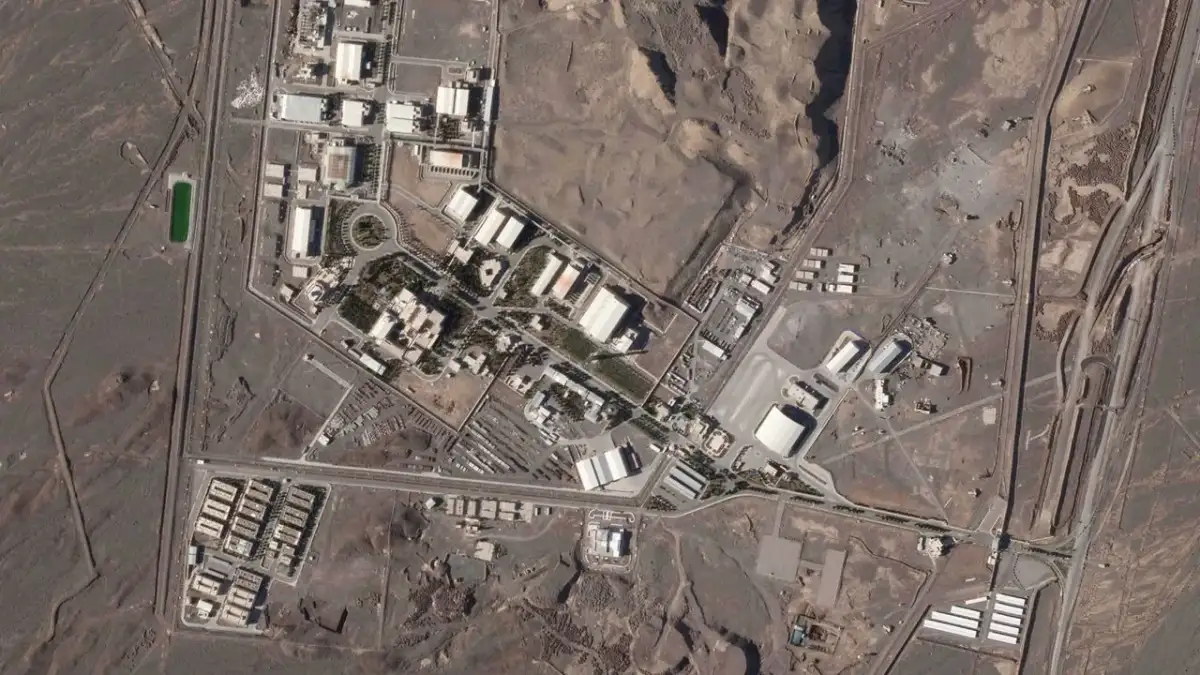
The war, which began with a significant bombing of Iran’s nuclear facilities in Fordo, Natanz, and Isfahan last June, has expanded. Hezbollah, a long-standing partner of Iran, has opened a new front against Israel from Lebanon. This escalation adds a layer of complexity to an already significant conflict, particularly given Iran's considerable size and population, dwarfing that of Iraq and Afghanistan combined.
Calculations and Criticisms
There is a sense that President Trump, showing an increased willingness for military action in his second term, may have miscalculated the scope and nature of the Iran campaign, potentially drawing parallels to a swift operation in Venezuela earlier this year. While Trump has previously favored limited strikes, this more extensive engagement presents different challenges.

Domestic and International Ripples
Within the United States, support for the intervention from the 'Make America Great Again' movement has, for now, remained largely steadfast, despite some internal opposition to military involvement. However, there are concerns about potential 'Iran-inspired attacks' on American soil, a possibility President Trump acknowledged in a recent interview, stating, "I guess … Like I said, some people will die." This prospect of American casualties is seen by some analysts, such as former deputy U.S. national intelligence officer for the Middle East Jonathan Panikoff, as the most likely catalyst for an early end to the war, an outcome Iran may be anticipating.
Read More: Iran Zagros Mountain Nuclear Site Construction Update April 2026
The broader implications for the global economy are also significant, with a growing oil crisis threatening widespread impact. The response from Gulf nations to this unfolding situation is being closely watched.

UK's Uncertain Role
The question of British involvement in the conflict has also surfaced. Arguments for and against participation have been raised, with some suggesting it is Keir Starmer’s moral obligation to engage, while others contend that Britain has little relevant stake in the matter.
The Shadow of a New Leader
The timing of the conflict coincides with Iran's internal political shifts, including the election of a new Supreme Leader. President Trump has asserted a right to approve this choice, adding another dimension to the already complex geopolitical landscape.
Read More: Ukraine Drones Hit Russian Oil Facilities 2000km Away
The situation in Iran is further obscured by communication blackouts, making it difficult for citizens to 'show the world' the realities of the war.
Background Context:
This war unfolds against a backdrop of escalating tensions and a shift in President Trump's foreign policy approach, marked by an increased willingness to engage militarily. Previous actions, such as the "lightning raid" in Venezuela and a one-off strike on Iran's nuclear sites in June 2026, foreshadowed a more assertive posture. The current conflict, however, represents a significantly larger undertaking. The geopolitical dynamics in the Middle East, coupled with Iran's considerable size and strategic importance, suggest a prolonged and potentially destabilizing engagement.