MEDIA NARRATIVES FALTER IN REPRESENTING IRANIAN DISSENT
The recent presidential election in Iran, culminating in Masoud Pezeshkian's victory, has highlighted a persistent disconnect in how Western media frames the country's political landscape. Many reports, observers note, have readily accepted the electoral outcome without adequately scrutinizing the limited executive authority of the president, who remains subordinate to the Supreme Leader. Critical policy areas, such as foreign relations and social mandates like the mandatory hijab, are outside the president's purview, a nuance frequently overlooked.
Western media coverage of Pezeshkian's election was criticized for its uncritical acceptance of the electoral process.
Reports failed to emphasize the subordinate role of the Iranian president to the Supreme Leader.
Key issues like foreign policy and social enforcement remain beyond the president's power.
THE DIVIDED LANDSCAPE OF OPPOSITION AND EXTERNAL PERCEPTION
The discourse surrounding Iran's opposition is complicated by internal divisions and accusations of manipulation. Groups advocating for regime change face scrutiny for their methods and internal transparency. Investigative reports have detailed how some factions, notably the MEK, have allegedly financed operations to shape online discourse, targeting critics and disseminating misinformation. This tactic, aimed at influencing global media coverage and online debate, creates a complex environment where genuine dissent struggles to be heard amidst coordinated campaigns.
Read More: Taiwan Holds Nantou County Drills to Prepare for State Collapse
Iranian opposition groups are often criticized for a lack of candid internal debate regarding their media operations.
Accusations of financing "troll farms" aim to manipulate social media and target dissenting voices.
Criticism and alternative viewpoints are frequently met with threats and insults online.
THE IMPERATIVE FOR A PREPARED, INCLUSIVE ALTERNATIVE
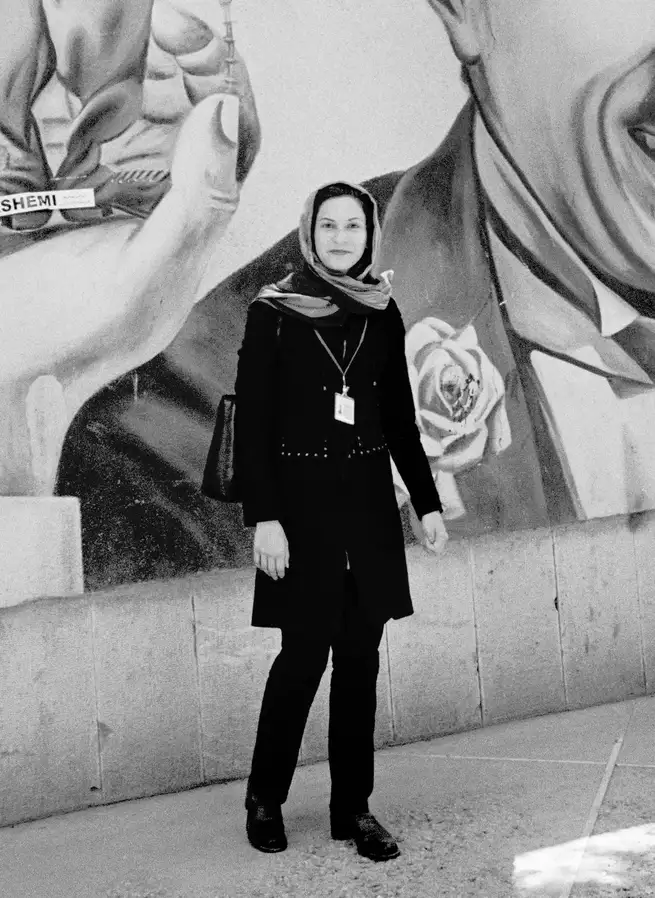
Amidst these challenges, a call persists for a well-defined democratic alternative for Iran. A credible future for Iran, proponents argue, necessitates equal participation of women in leadership roles, moving beyond mere personnel changes to address systemic oppression. The existence of organized, ground-level resistance is seen not as a distant hope but as tangible evidence that democratic change is attainable, aiming for a republic founded on freedom, pluralism, and the right of the people to self-determination.
Calls for a 'prepared alternative' emphasize the need for substantive structural change.
Commitment to women's equal participation is framed as a prerequisite for a democratic future.
The goal is a republic built on freedom, pluralism, and the ballot box.
EXTERNAL INFLUENCE AND DOMESTIC REPERCUSSIONS
The war between Iran and Israel, as well as broader geopolitical tensions, has intensified internal debates about Iran's future. This climate has spurred a divergence within opposition circles, with some advocating for foreign military intervention while others champion a strategy focused on internal reform and referendums. This approach seeks to unite diverse opposition elements around a common, referendum-based strategy, offering an alternative to both internal reform attempts and externally backed regime change.
Read More: Iran Zagros Mountain Nuclear Site Construction Update April 2026
International conflicts exacerbate internal political polarization within Iran.
Opposition strategies range from calls for foreign intervention to internal reformist approaches.
A referendum-based strategy is proposed as a unifying force for diverse opposition groups.
HISTORICAL CONTEXT AND MEDIA'S ROLE
For decades, many Iranians have relied on Persian-language media operating outside Iran for information, circumventing domestic censorship and repression. These outlets often host diverse commentators, aiming to challenge official narratives. However, questions arise regarding potential double standards and propaganda-like activities within some of these foreign-funded media organizations.
Exile-based Persian media serve as a key information source for Iranians.
Challenges persist regarding the objectivity and transparency of some outlets.
Efforts exist to train civic activists and gather intelligence on institutions like the IRGC to support potential transitions.
The pursuit of a democratic alternative in Iran is not a new phenomenon. For years, figures like Maryam Rajavi, leader of the National Council of Resistance of Iran, have advocated for internal change supported by external encouragement. The idea of a gender-sensitive administration is presented as a path toward greater accountability. This perspective suggests a dual strategy: fostering internal change while providing external support and hope to opposition groups, thereby laying the groundwork for genuine democracy.
Long-standing calls for internal change with external support.
Emphasis on a gender-sensitive administration for improved accountability.
A strategy involving both internal movements and external sustenance for opposition groups.