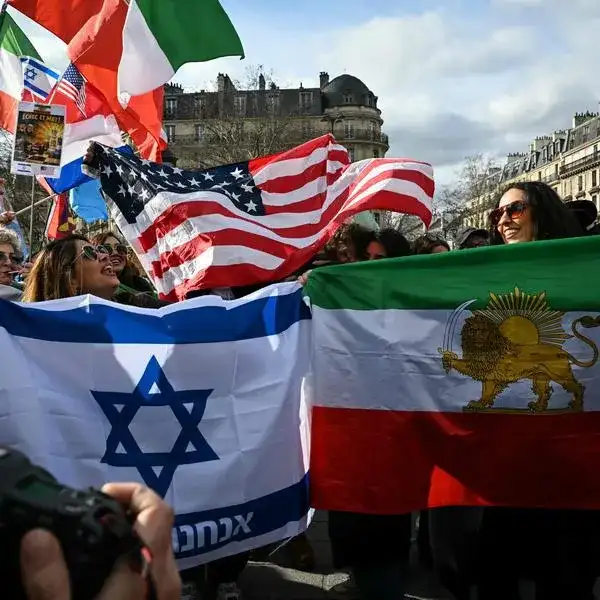
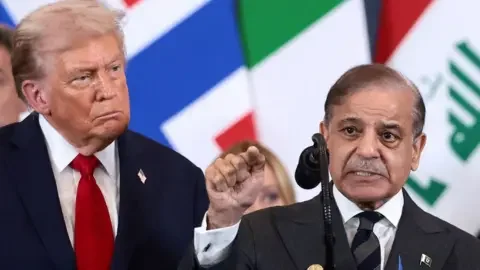
A temporary cessation of hostilities, lasting two weeks, has been brokered between the United States, Israel, and Iran, effectively halting escalated military actions. President Donald Trump has indicated a withdrawal from earlier threats of wider attacks on Iran, coinciding with this agreement. The ceasefire was reportedly finalized on Tuesday, with both the US and Iran confirming the arrangement.
Details surrounding the immediate aftermath of the announcement reveal a complex picture. While a ceasefire is in effect, reports from Wednesday indicate continued Iranian missile fire targeting Gulf Arab states and Israel. Tehran has stated its intention to begin reconstruction processes. Spain, through its Prime Minister Pedro Sánchez, has voiced condemnation of Israeli strikes on Lebanon, specifically criticizing Israeli Prime Minister Benjamin Netanyahu.
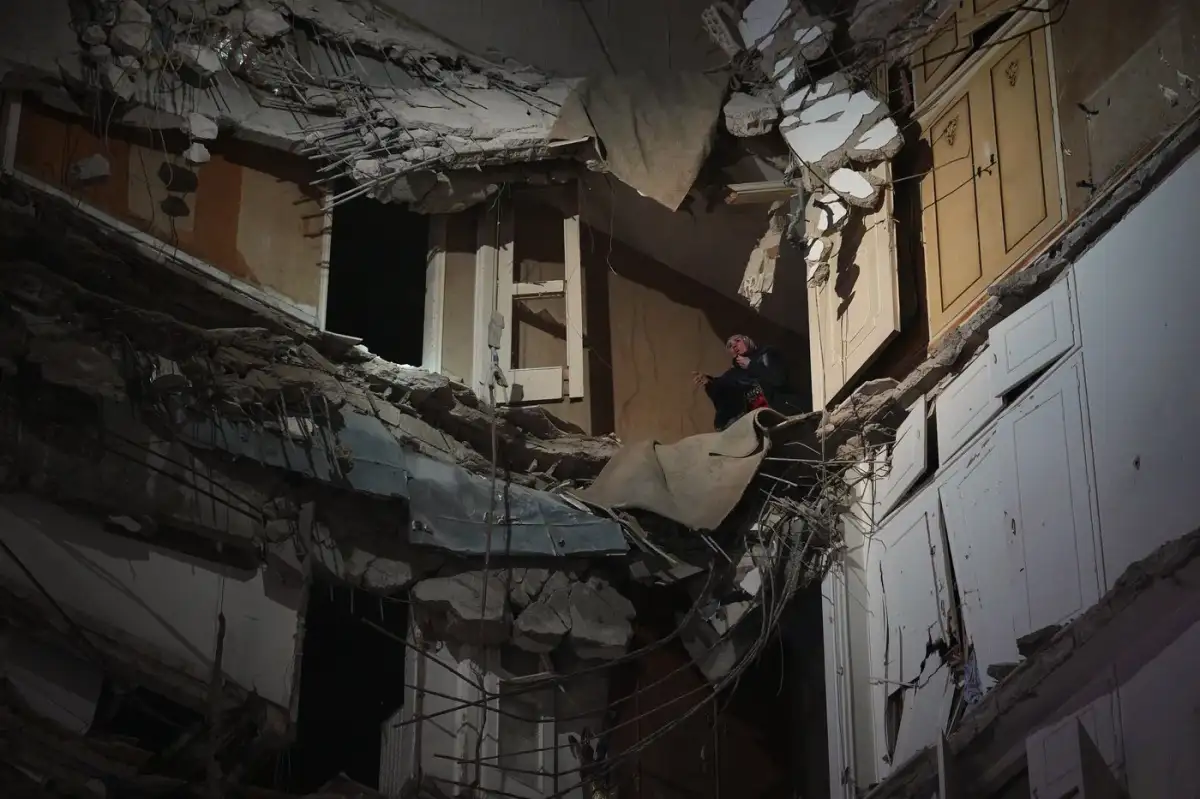
Further complicating the situation, Iran has once again closed the Strait of Hormuz, citing Israeli attacks against the Hezbollah militant group in Lebanon. US officials confirm that offensive operations have been paused in line with the ceasefire, which went into effect Tuesday. One US official noted that an oil refinery on Iran's Lavan Island, which Iranian state television claimed was attacked Wednesday, is not impacted by the pause in American attacks.
Read More: War's Economic Damage Lasts Over 10 Years, New Study Shows
The agreement follows a period of intense escalation, including what one report described as "Operation Epic Fury," which began on March 28th and involved extensive bombardment of Iran by the US and Israel. President Trump reportedly made a significant threat against Iran earlier in the day on Sunday, which preceded the announcement of the ceasefire. Iran's Supreme National Security Council officially confirmed its agreement to the two-week truce shortly after Trump's social media pronouncements. Discussions regarding the potential for negotiations between the United States and Iran in Islamabad, commencing Friday, have also been mentioned. A US official suggested the possibility of cooperation with Iran on removing buried enriched uranium, though this has not been confirmed by Iran. The US Congress, currently on Easter recess, has remained largely silent on the unfolding conflict and the President's recent rhetoric.