


Delta Air Lines has posted strong first-quarter 2026 financial results, reporting $15.85 billion in revenue and adjusted earnings of $0.64 per share, exceeding analyst expectations. The airline acknowledged a significant impact from soaring fuel costs, which it projects to increase by over $2 billion in the coming period. In response, Delta plans to "meaningfully" cut its capacity growth plans, aiming for a flat year-over-year capacity for the upcoming period. This strategic shift aims to protect margins and cash flow while navigating the volatile energy landscape.

The airline's CEO, Ed Bastian, expressed confidence that this challenging environment will ultimately reinforce Delta's leadership and accelerate its long-term earnings power. He highlighted that despite a $2 billion increase in fuel costs, Delta's performance outpaced last year's results. Demand remains "robust," with cash sales up double digits across all booking windows, regions, and product categories. This strong consumer appetite, particularly for premium products, signals resilience in the face of higher travel expenses.
Read More: FIFA World Cup 2026 Revenue Reaches $15 Billion With New Ticket Prices

Operational Adjustments and Financial Fortitude
Delta's first-quarter performance saw an adjusted pre-tax profit of $532 million, a 44% increase year-over-year. However, non-fuel unit costs, or CASM, rose by 6%, attributed to lower-than-planned capacity and increased recovery expenses. The airline is actively reducing future capacity growth and moving to recoup higher fuel expenditures, projecting to recover 40% to 50% of these costs through fare increases in the second quarter.
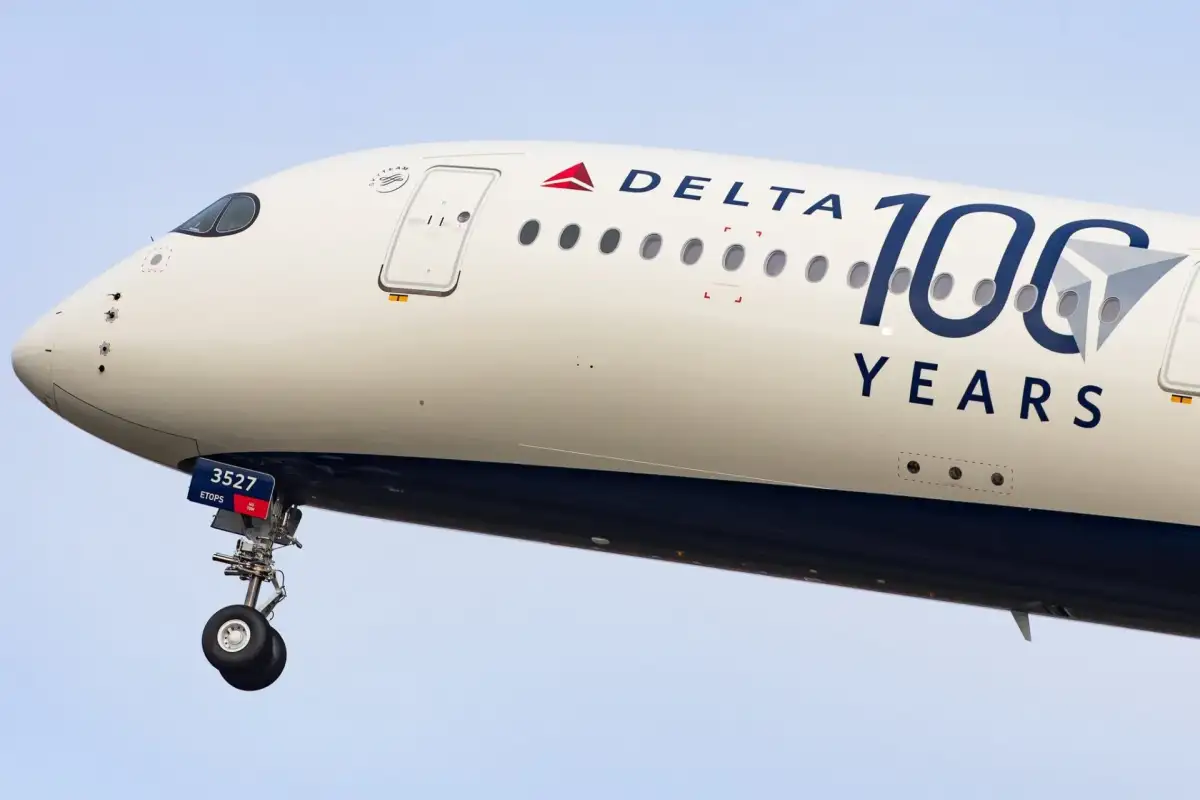
"We delivered earnings that were more than 40 percent higher than last year, even with a significant increase in fuel costs and operational disruptions across the industry," stated Ed Bastian, Delta’s chief executive officer. "At the same time, demand remains robust, with cash sales up double digits, signaling strong consumer appetite across all booking windows, regions, and product categories."
The company forecasts second-quarter revenue growth in the low teens year-over-year, with an expected pre-tax profit of approximately $1 billion. Delta's ownership of the Trainer refinery near Philadelphia provides a partial buffer against fuel price spikes, offering a cost advantage unavailable to many competitors. This integrated fuel strategy and a strong balance sheet are noted by observers as key differentiators.

Industry Implications and Traveler Impact
The current high fuel price environment is expected to accelerate industry consolidation, with Bastian suggesting it will separate "winners" from "weaker players." This sentiment is echoed by industry analysts and potentially the U.S. Transportation Secretary, who acknowledge room for consolidation within the U.S. airline sector.
Read More: Margaret River Named World's Best Wine Place
Travelers may experience changes beyond ticket prices, including adjustments to ancillary fees like checked baggage fees and seat selection policies. Delta's strategy of reducing capacity and adjusting its network reflects these broader industry pressures. Consumers are advised to check baggage rules early, compare total costs across airlines, and consider flexibility in travel dates.
The news follows a period of potential geopolitical de-escalation in the Middle East, which could lead to lower fuel price volatility and fewer supply disruptions, serving as a potential tailwind for the airline industry. Despite reporting a net loss of $289 million between January and March 2026, Delta's overall financial position and strategic responses suggest it is "best positioned to navigate" current industry turmoil.


